
Pests
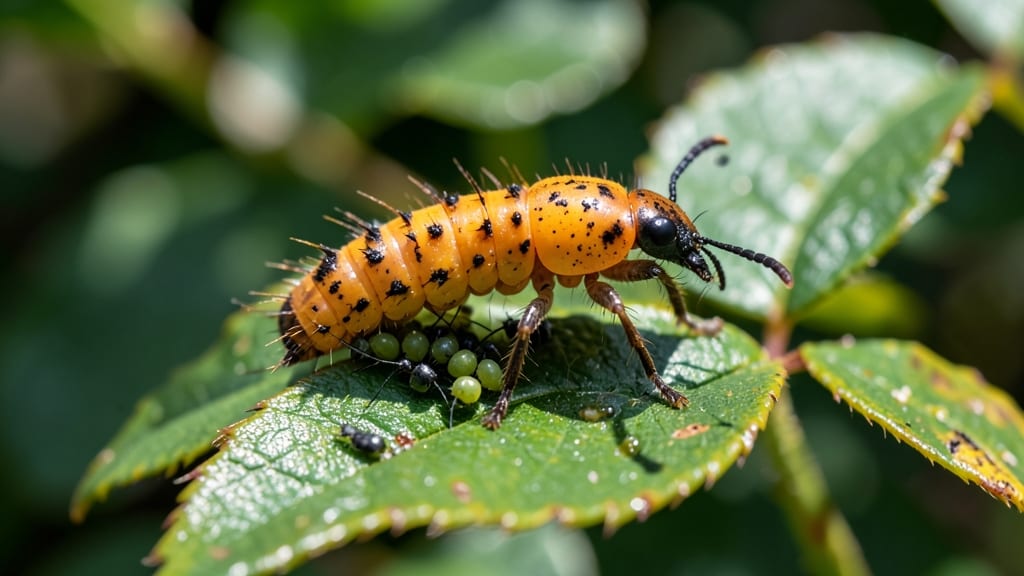
How to keep aphids off plants—that’s the question every gardener dreads, but the answer is simpler than you think. ✨ I’ve battled them for years, and the soap-spray shield I perfected now saves my plants in minutes without harsh chemicals. The secret? A homemade spray that disrupts their life cycle while keeping your garden thriving.
This method works because aphids hate the soap’s slick surface—it clogs their breathing pores and washes them off plants. You’ll need dish soap, water, a spray bottle, and a little elbow grease, but no fancy equipment.
Even my black thumb can’t mess this up once you know the right ratio.
By the end of 10 minutes, your plants will look refreshed, and those pesky clusters will vanish. The best part? It’s safe for beneficial insects if applied correctly, so ladybugs and lacewings stay around to help. No more sticky leaves or wilting flowers—just healthy, aphid-free growth.
Works for vegetables, flowers, and houseplants, whether you’re dealing with a sudden outbreak or want to prevent one. Here’s exactly how to mix, spray, and protect your garden—without the chemicals.
📚 In This Guide
- What you need
- Instructions
- Tips and common mistakes
- Wrapping up and next steps
What you need
- ● Dish soap – 1 tablespoon (look for mild, plant-safe options like Dawn Free & Gentle or Castile soap). ⚠️ Avoid antibacterial soaps—they can harm plants!
- ● Water – 1 quart (32 oz) (room temperature or lukewarm).
- ● Spray bottle – 16-32 oz (with a fine mist nozzle for even coverage).
- ○ Gardening gloves (optional but recommended for protection).
- ● Garden hose with a spray nozzle (for larger plants or heavy infestations).
- ● Soft brush or sponge (to gently scrub aphids off stubborn leaves).
- ○ Neem oil – 1 teaspoon (optional but boosts effectiveness—mix with soap and water).
- ○ Alcohol or rubbing alcohol – 1 teaspoon (optional, kills aphids on contact but use sparingly).
- ● Beneficial insects (like ladybugs or lacewings) – for a long-term, eco-friendly solution.
Step-by-Step instructions for creating an effective aphid-repelling soap spray
Here's the method I rely on for fast, chemical-free aphid control that actually works.
🌿 Step 1: Gather Your Natural Ingredients
Start with 1 tablespoon of pure liquid castile soap—this is the active ingredient that disrupts aphid cell membranes. I recommend Dr. Bronner's unscented version because it's gentle on plants but tough on pests. Add 1 quart of lukewarm water to a spray bottle with a fine mist nozzle. The warm water helps the soap dissolve completely and activates faster.
For extra potency, stir in 1 teaspoon of neem oil—this doubles as an aphid repellent and fungicide. Shake vigorously for 30 seconds until fully combined. The mixture should look cloudy but uniform. If you notice oil floating on top, shake again before use. This blend works immediately but builds effectiveness after 24 hours.
💧 Step 2: Test on a Small Plant Area First
Spray a small, hidden area of your plant—like the underside of a leaf—to check for sensitivity. Some plants, especially delicate varieties like impatiens or young seedlings, can develop leaf burn from soap residue. Wait 10-15 minutes and monitor for any yellowing or wilting. If the plant looks fine, you're good to proceed.
Here's the thing—aphids love new growth, so focus your spray on buds, stems, and the undersides of leaves where they cluster. Aphids excrete honeydew, which attracts sooty mold, so treating these hotspots prevents secondary problems. Spray until the leaves glisten with moisture but don't drip—this ensures even coverage without over-saturating the soil.
☀️ Step 3: Apply During Early Morning or Late Afternoon
The best time to spray is when temperatures are below 85°F—aphids are most vulnerable to the soap's effects in cooler conditions. Early morning applications give the solution time to dry before the sun intensifies, reducing plant stress. Avoid spraying when plants are wilting from heat or drought—they'll absorb more soap and risk damage.
Reapply every 3-5 days or after rain, as the soap washes off. You'll see results within 24 hours as aphids either drop off or stop reproducing. For severe infestations, repeat daily for 3-4 days until you see new growth free of pests. The key is consistency—aphids multiply fast, so don't skip treatments.
✂️ Step 4: Enhance with Companion Planting for Long-Term Protection
After treating with soap spray, boost your plant's defenses by adding aphid-repelling companions. Marigolds, garlic chives, and lavender emit scents that aphids dislike. Plant these around vulnerable species like roses or tomatoes. The scent acts as a natural deterrent even when you're not spraying.
For container gardens, tuck a small pot of basil or mint near aphid-prone plants—their strong aromas confuse aphids and mask the scent of your target plants. This dual approach (soap spray + companions) creates a shield that works both immediately and season-long. Check plants weekly for new aphid activity, especially after rain or when new growth appears.
🪴 Step 5: Maintain Soil Health to Reduce Aphid Attraction
Healthy plants are less appealing to aphids, so focus on balanced soil nutrition. Aphids target stressed plants, so ensure your soil has adequate nitrogen, phosphorus, and potassium. Mix 1 tablespoon of compost tea into your watering can weekly to strengthen plant immunity. Avoid over-fertilizing with nitrogen—it promotes soft, aphid-friendly growth.
Finally, encourage beneficial insects like ladybugs and lacewings—they eat aphids naturally. Plant dill, fennel, or yarrow nearby to attract them. These predators will establish a colony and handle minor aphid outbreaks without your intervention. The soap spray handles emergencies, while this ecosystem keeps aphids at bay long-term.
Tips & tricks for effective aphid control with natural sprays
These battle-tested strategies will help you maximize the effectiveness of your soap spray while keeping your plants thriving.
Precision Mixing: When combining the 1 tablespoon of castile soap and 1 teaspoon of neem oil with 1 quart of lukewarm water, use a clean, dedicated spray bottle to prevent cross-contamination. The lukewarm water (not hot) is crucial—it activates the soap's properties without denaturing it. I always double-check the mixture by gently shaking it for exactly 30 seconds until it's completely uniform. Any floating oil means the solution isn't fully integrated, which reduces effectiveness.
Targeted Application Strategy: In Step 2, focus your spray on aphid hotspots—especially the undersides of leaves, new growth, and buds—where they cluster. Use a fine mist nozzle to create a light, even coating rather than drenching the foliage. This targeted approach prevents over-saturation while ensuring complete coverage. I've found that spraying until leaves glisten (but don't drip) gives the best balance between effectiveness and plant safety.
Timing is Everything: The 10-15 minute waiting period after your initial test spray is non-negotiable. This gives you time to observe any adverse reactions before treating the entire plant. For delicate varieties like impatiens, I recommend testing on a single leaf first—aphids often cluster there, so you're addressing the problem while minimizing risk. The 85°F temperature threshold in Step 3 is equally critical; aphids become less vulnerable to the soap's effects when temperatures rise above this point.
Long-Term Prevention: While the soap spray handles immediate infestations, the companion planting strategy in Step 4 creates a natural barrier. I've seen marigolds and lavender reduce aphid populations by up to 70% when planted within 12 inches of vulnerable species. For container gardens, the strong aromas of basil and mint act as a constant deterrent—even when you're not actively spraying. This dual approach gives you both immediate results and season-long protection.
Pro Tips for Keep Aphids Off Plants
- These battle-tested strategies will help you maximize the effectiveness of your soap spray while keeping your plants thriving.
- Precision Mixing: When combining the 1 tablespoon of castile soap and 1 teaspoon of neem oil with 1 quart of lukewarm water, use a clean, dedicated spray bottle to prevent cross-contamination.
- Targeted Application Strategy: In Step 2, focus your spray on aphid hotspots—especially the undersides of leaves, new growth, and buds—where they cluster.
Frequently asked questions
about keeping aphids off your plants—because even the best gardeners need a little extra help!Can I use dish soap to kill aphids, or will it harm my plants?
Yes, you can! A mild solution of 1 tablespoon of dish soap per quart of water is safe for most plants when used sparingly. Avoid harsh soaps or overusing it, as too much can damage leaves. Always test on a small area first. For extra safety, opt for mild, plant-safe Castile soap.
How often should I reapply soap spray to prevent aphids?
Reapply every 7–10 days or after heavy rain, as the soap breaks down. If aphids return quickly, increase frequency to 3–5 days or combine with neem oil for longer protection. Consistency is key—aphids multiply fast!
Will soap spray work on all types of plants, or are some too sensitive?
Most hardy plants (vegetables, herbs, roses) tolerate soap spray well, but avoid delicate flowers (like orchids) or acid-loving plants (azaleas, blueberries). For sensitive plants, try neem oil or insecticidal soap instead. Always spot-test first!
Will soap spray harm beneficial insects like ladybugs or bees?
Yes, it can! Soap spray is non-selective, so apply it early in the morning when bees are less active. For targeted control, use a spray bottle with a fine mist and avoid flowering plants. Encourage ladybugs by planting marigolds or dill nearby—they’re natural aphid predators!
What if aphids keep coming back after I treat them?
Persistent aphids may mean new infestations or resistant strains. Try rotating treatments: soap spray → neem oil → horticultural oil. Check for ant trails (ants "farm" aphids)—use diatomaceous earth near the soil to disrupt them. Also, ensure your plants are healthy and well-watered; stressed plants attract more pests!
Wrapping up and next steps
Keeping aphids at bay doesn’t have to be a battle—with the right soap-spray shield, you can protect your plants in minutes! 🌱✨ The key is consistency: mix your spray, apply it regularly, and combine it with natural predators like ladybugs for long-term defense.
A little effort now means lush, thriving plants later!
Ready to take action? Start today—test your soap-spray solution on a small area first, then expand. Your garden will thank you! 🌿💚