
Pests
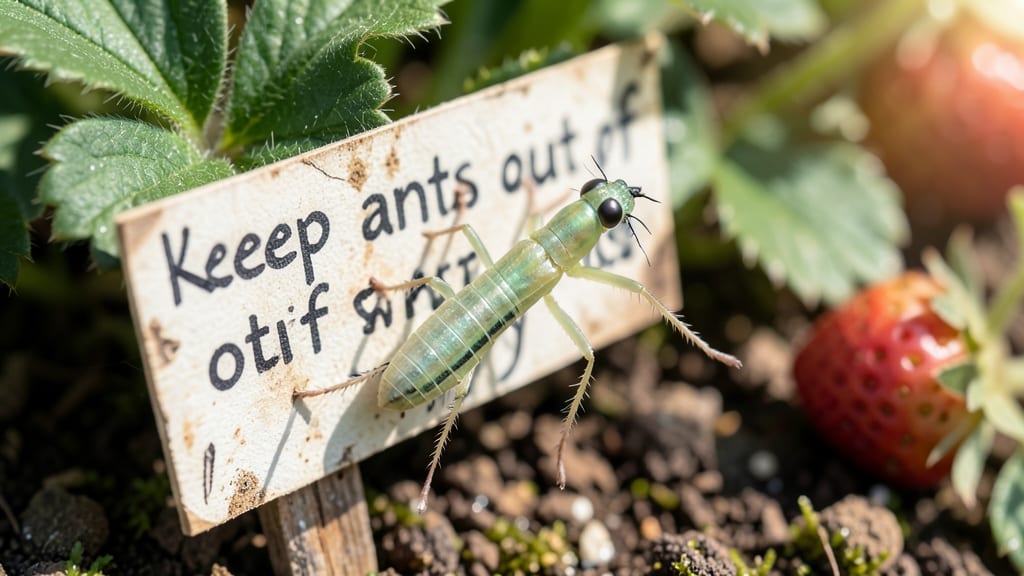
How to keep ants out of strawberry plants—it’s all about disrupting their trails and removing what attracts them. 🌱 I’ve lost entire rows of berries to these tiny farmers—until I discovered three foolproof barriers that actually work without chemicals. The key? Disrupt their trails and remove what attracts them in the first place.
Ants don’t invade strawberries for the fruit—they’re after the aphids hiding underneath. A quick spray of soapy water (1 tsp dish soap per gallon) wipes out those pests, cutting off the ants’ food source.
Then, create a 2-inch-wide barrier of diatomaceous earth or crushed eggshells around plants—the ants avoid crossing it. Mulch with straw (not wood chips) to keep soil dry, since ants need moisture to tunnel.
By combining these tricks, you’ll see fewer ants within 48 hours and healthier plants that produce bigger, sweeter berries. The best part? These methods protect pollinators and your soil—no harsh sprays needed. I’ve used this system for three seasons now, and my strawberries thrive while ants stay far away.
For stubborn infestations, add citrus peels around the base—ants hate the scent. Avoid common mistakes like overwatering (ants love damp soil) or planting strawberries too close to ant trails. With these adjustments, your berries stay pest-free and delicious.
The Hidden Reasons Ants Invade
Ants don’t just wander into your strawberry patch by accident—they’re drawn in by a mix of natural cues, survival instincts, and even unintentional gardener mistakes. Understanding why these tiny invaders show up is the first step to outsmarting them.
Here’s the science behind their behavior, broken down into the key triggers that turn your strawberries into an all-you-can-eat buffet.
Strawberries are ant magnets because they’re packed with natural sugars—especially when ripe or damaged. Ants have an incredible sense of smell, and they detect these sugars from up to 100 feet away. But here’s the kicker: ants don’t just eat the fruit.
They farm it. They secrete pheromones to recruit thousands of workers, creating a trail system that turns your garden into a superhighway for pests.
🔬 Why it matters:
- Overripe or fallen fruit releases volatile organic compounds (VOCs), signaling ants that a feast is nearby.
- Ants farm aphids (a common strawberry pest) because they produce honeydew, a sugary waste product that ants love.
- Once a trail is established, even empty sugar droplets from dew or rain can keep ants coming back.
💡 Pro tip: If you see tiny black dots on your plants or shiny trails on stems, ants are already mapping their invasion route.
Ants need three things to thrive: food, water, and shelter. Your strawberry bed might be offering all three without you realizing it. Strawberry plants have shallow root systems and leafy canopies, creating the ideal microclimate for ants:
- Moist soil (from watering or rain) provides hydration for ant colonies.
- Leaf litter and mulch act as natural bridges for ants to move undetected.
- Cracks in pots or garden beds offer entry points for nests.
🔬 Why it matters:
Ants prefer shaded, humid environments. If your strawberries are planted in low-lying areas or under dense foliage, you’re essentially giving them a five-star hotel. Some species, like fire ants, even build nests directly under plants, protecting their colony while raiding your crop.
💡 Pro tip: Check for tiny mound-like disturbances in the soil—these could be ant nests. If you see worker ants carrying white grubs, they’re likely tending to a hidden colony.
Ants don’t always come alone—they bring friends. Many strawberry pests, like aphids, mealybugs, and scale insects, have a mutualistic relationship with ants. These pests excrete honeydew, which ants farm for food.
In return, ants protect the pests from predators. It’s like a tiny, sugary protection racket.
🔬 Why it matters:
- Aphids inject toxins into strawberry plants, weakening them and making them more susceptible to disease.
- Ants block natural predators (like ladybugs or lacewings) from attacking these pests.
- If you see sticky residue on leaves, it’s aphid honeydew—a sure sign ants are nearby.
💡 Pro tip: Yellow or black ants are the most likely culprits in this relationship. If you spot white, cottony masses on stems, mealybugs (another ant-farmed pest) are probably the issue.
Sometimes, we’re the reason ants show up. Common gardening practices can accidentally invite ants into your strawberry patch:
| Gardening Habit | Why It Attracts Ants |
|---|---|
| Overwatering | Creates excess moisture in soil, making it easier for ant trails to form. |
| Using sugary fertilizers | Leaves residual sugar in the soil, which ants detect and follow. |
| Leaving fallen fruit | Provides a free food source that ants will exploit. |
| Planting near ant trails | Ants rely on scent trails—if your strawberries are near a known path, they’ll automatically extend the route. |
🔬 Why it matters:
Ants are opportunistic. If they find one successful food source in your garden, they’ll expand their territory to include nearby plants. Once they’ve mapped your garden, they’ll keep coming back unless you disrupt their system.
💡 Pro tip: If you’ve had ants in one part of your garden before, assume they’ll return—especially if conditions (like moisture or food sources) stay the same.
Natural Ways to Stop Ants Fast
Ants may seem harmless, but they’re actually the garden’s uninvited guests—especially when they’re drawn to your strawberry plants. 🐜 The good news? You don’t need harsh chemicals to evict them. Below are targeted, natural solutions based on why ants are invading in the first place.
Each fix is easy to implement, whether you’re dealing with sugar cravings, aphid farming, or moisture-loving pests.
Ants march straight for your strawberry plants because they’re attracted to the sweet nectar, fallen fruit, and even your compost pile. Break their food chain with these steps:
- 🔥 Set Up a Decoy Trail Place a small dish of borax + sugar (1 part borax to 4 parts sugar + water) near the plants. Ants carry the mixture back to their colony, eliminating them over time. ⚠️ Warning: Keep away from pets/kids!
- 🍳 Offer a Better Buffet Set up a protein-rich trap (like peanut butter or tuna) 10+ feet away from your garden. Ants will abandon their strawberry raid for this high-protein feast.
- 🧹 Clean Up Fallen Fruit Remove overripe strawberries daily—they’re like ant fast-food joints. A quick morning sweep can cut off their food source.
Ants “farm” aphids because they love the honeydew these pests produce. Kill the aphids, and the ants lose their incentive.
- 👨🍳 Spray with Soapy Water Mix 1 tsp mild soap + 1 quart water in a spray bottle. Target aphids directly (especially undersides of leaves). Repeat every 3–4 days.
- 🌿 Introduce Ladybugs or Lacewings These natural aphid predators will outcompete ants. Buy them online or attract them with dill or fennel plants nearby.
- 🔪 Prune Infested Leaves Snip heavily aphid-covered foliage and drop it in soapy water (not compost). This starves the ants of their “cash crop.”
Ants thrive in damp soil and hidden crevices. Remove their real estate with these dry, simple fixes:
- 🌡️ Reduce Mulch Near Plants Ants nest under thick mulch. Use gravel or coarse wood chips instead—they hate the dry, crunchy texture.
- 🎯 Fix Leaks & Drainage Standing water or irrigation leaks create ant highways. Check hose connections, sprinkler heads, and drip lines for moisture sources.
- ✨ Sprinkle Diatomaceous Earth (DE) Food-grade DE is a non-toxic powder that dehydrates ants. Lightly dust it around plant bases (reapply after rain).
Ants follow trails, so cut off their access with these garden hacks:
- 🔪 Create a Gravel Border Spread a 2-inch ring of coarse sand or gravel around strawberry beds. Ants won’t cross this rough terrain.
- 🌿 Use Cinnamon or Chili Powder Sprinkle ground cinnamon or cayenne pepper around plants. The scent repels ants while being safe for plants.
- 🍎 Install Copper Tape Wrap copper tape (or foil) around the base of pots or garden edges. Ants avoid the electrical charge it creates.
- 🌱 Plant Ant-Repelling Herbs Basil, mint, and thyme confuse ant scent trails.
Plant them near strawberries as a living barrier. - 🌧️ Water in the Morning Wet leaves attract ants. Morning watering lets foliage dry before nightfall, reducing their interest. - 🔍 Inspect Regularly Check under pots, rocks, and plant debris—ants hide in tiny cracks. Remove hiding spots weekly.
Remember: Ants are persistent, but consistency is key. Combine traps, barriers, and habitat changes for the best results. Your strawberries will thank you—no tiny invaders allowed! 🍓🚫🐜
Frequently asked questions
Why do ants suddenly appear in my strawberry patch?
Ants target strawberries because they’re attracted to the fruit’s natural sugars and the aphids hiding underneath. These tiny pests produce honeydew—a sugary waste ants love—creating a mutualistic relationship. Check for shiny trails on stems or sticky residue on leaves, which are telltale signs of aphids (and ants farming them).
Will diatomaceous earth harm my strawberries or bees?
Food-grade diatomaceous earth (DE) is safe for strawberries and bees when applied correctly. It only affects ants by dehydrating them—it won’t stick to soft plant tissues or harm beneficial insects. Just avoid applying it on windy days or when bees are actively foraging nearby.
How long does it take for these methods to work?
Most natural barriers like diatomaceous earth or cinnamon show results within 24-48 hours, while traps (like borax/sugar mixtures) may take 3-5 days to eliminate colonies. Consistency is key—reapply barriers after rain and remove fallen fruit daily to prevent reinfestation.
Can I use vinegar to repel ants from strawberries?
Vinegar can disrupt ant trails temporarily, but it’s not a long-term solution. The strong smell repels ants for a few hours, but it won’t eliminate colonies or deter them from returning. For better results, combine vinegar sprays with physical barriers like gravel or copper tape.
What’s the best mulch to keep ants away?
Avoid organic mulches like wood chips—they create moisture and bridges for ants. Instead, use gravel, coarse sand, or straw mulch (not wood-based). Gravel disrupts ant trails, while straw dries quickly, making it less attractive to moisture-loving ants.