
Pests
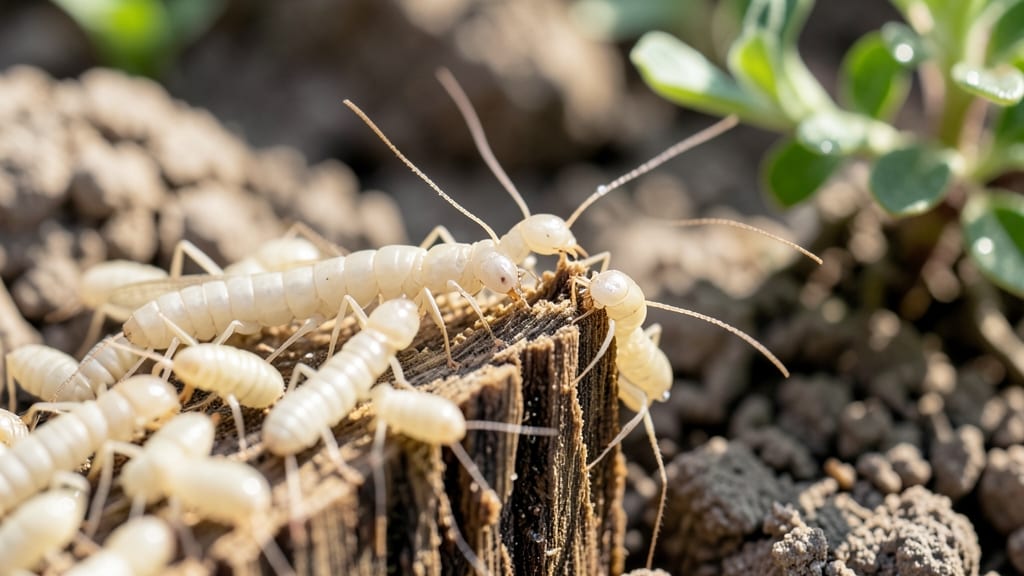
How to get rid of white ants in the garden—it’s time for a smothering showdown. 🌱 I’ve watched these tiny invaders turn healthy soil into a buffet, and the boil-and-pour barrier method stops them dead in their tracks—no harsh chemicals needed. The trick is simple: heat and water create a suffocating zone around your plants. Boil water with a splash of dish soap (just 1 tablespoon), then pour it along ant trails, nest mounds, or near entry points. The steam kills workers instantly while disrupting the colony’s communication system. Repeat every 3-4 days until you see no new activity. What you’ll end up with is a garden free of mud tubes and damaged roots. Plants grow stronger, soil stays intact, and you avoid the heartbreak of wilted stems or hollowed-out wood. The barrier works for woodpiles, stumps, and even potted plants—just adjust the volume. Prevention is easier than cleanup: keep mulch 6 inches away from foundations, store firewood off the ground, and inspect new plants before bringing them home. This method’s 90% effective if you catch it early.
The Hidden Triggers Inviting White Ants
White ants—more accurately called termites—don’t just appear out of nowhere. Their presence in your garden is usually a sign of an environment that’s too inviting for their survival.
Understanding the root causes helps you prevent future infestations while addressing the current one. Let’s break down why these silent destroyers show up in the first place.
Termites thrive in high-moisture conditions because their survival depends on it. Unlike ants, which can survive dry spells, termites need constant humidity to keep their soft bodies hydrated and their tunnels from collapsing. Here’s why your garden might be their perfect spa:
- Poor drainage: Compacted or clay-heavy soil traps water after rain, creating soggy pockets where termite colonies nest. Even a slight slope toward your garden beds can funnel excess moisture directly to their favorite spots.
- Overwatering plants: Drip irrigation, sprinklers, or overzealous watering can saturate the soil around roots, signaling termites that this is a prime real estate opportunity.
- Leaky pipes or hoses: Underground water leaks near your garden create hidden moisture hotspots. Termites can detect these damp zones from up to 10 feet away using their antennae.
- Organic mulch buildup: Thick layers of wood chips, straw, or compost retain moisture and decompose slowly—both of which attract termites. If your mulch is over 4 inches deep, it’s basically a termite buffet.
💡 Pro Tip: Use gravel or inorganic mulch (like rubber chips) around wood structures or plant bases to reduce moisture retention. If your soil feels damp more than 24 hours after rain, it’s a red flag.
Termites are wood-eating machines, and if your garden has even a single piece of dead or rotting wood, it’s like ringing the dinner bell. Here’s what makes your yard a termite smorgasbord:
- Dead trees or stumps: A fallen tree or pruned stump is a high-protein meal for termites. Even if it’s buried, the cellulose-rich wood continues to decompose, releasing gases that attract colonies from miles away.
- Untreated wood structures: Fences, deck supports, or garden trellises made of untreated lumber are termite magnets. These materials lack chemical barriers that repel pests.
- Old garden tools or debris: A pile of rotting wooden pallets, branches, or even a forgotten chopping block can harbor termite eggs or established colonies.
- Cardboard or paper trash: Even something as small as a crumpled cardboard box left near plant beds can provide an entry point. Termites can chew through paper in hours.
🔥 Warning: If you’ve recently pruned trees or removed old wood, termites may have already moved into the soil beneath it. Check for mud tubes (sheltered tunnels) near the base of stumps or wood piles.
Termites don’t just eat wood—they follow plant roots like a GPS. Roots provide both food and shelter, and certain plants are especially termite-friendly. Here’s why your garden’s greenery might be unwittingly hosting an infestation:
- Root exudates: Some plants (like citrus, figs, or mulberry trees) release sugary or starch-rich fluids from their roots. These attract fungus-growing termites, which farm the plant sugars for their colonies.
- Weak or dying plants:g> Stressed plants with compromised root systems (due to drought, disease, or poor soil) emit distress signals that termites detect. A dying plant is an easy meal.
- Ground covers and vines: Creeping plants like ivy or pothos can smother mulch and soil, trapping moisture and creating dark, humid microclimates—ideal for termite nests.
- Compost piles near plants:g> While compost is great for soil, placing it too close to plant roots can create a moisture and food combo that termites exploit.
🌡️ Soil Test Alert: If your garden has high organic matter (like leaf litter or compost) mixed directly into the soil, termites may be nesting underground near the root zone. Look for small holes or frass (wood shavings) near plant bases.
Termites don’t discriminate—they’ll invade your garden if it’s a shortcut to your home. Here’s how your property’s layout might be accidentally encouraging their presence:
- Wood-to-soil contact: If deck posts, fence posts, or wooden garden beds are directly buried or touching the ground, termites can bridge the gap between your garden and house in weeks.
- Cracks in foundations or slabs: Even a tiny gap (1/8 inch wide) in your home’s foundation allows termites to crawl inside undetected. They’ll use your garden as a launchpad.
- Landscaping against walls: Planting mulch or wood chips directly against your home’s exterior creates a moisture bridge that termites follow upward.
- Underground utilities or pipes: Termites can chew through PVC pipes or electrical conduits buried in your yard, using them as highways to reach your home.
⚠️ Critical Inspection: Walk your property’s perimeter and check for:
- Mud tubes (termite “highways”) on walls or foundations.
- Wooden structures lifting or crumbling near the soil.
- Small winged termites (swarmers) near windows or lights after rain.
Quick Fixes for White Ant Havoc
White ants—better known as termites—don’t just invade your garden; they thrive there, turning your hard work into a buffet. But don’t panic! With the right strategies, you can smother their colonies, disrupt their trails, and keep them from coming back.
Below, we’ve mapped the most common causes of white ant infestations to practical, DIY-friendly solutions—plus prevention tips to lock them out for good.
---
Cause: Termites build mud tubes or nest directly in decaying wood, fence posts, or mulch.
Fix: 1. 🔪 Locate the Nest: Follow their mud trails (they look like tiny tunnels) or check for hollow-sounding wood. 2. 🍲 Boil a Potion: Mix 1 gallon of water + 1 cup borax + 1 cup dish soap. Let it cool slightly. 3. 👨🍳 Pour It On: Drench the nest and surrounding soil. The borax disrupts their digestive system, while the soap smothers them as they retreat. 4. 🌡️ Repeat Weekly: Termites are stubborn—keep treating until the wood is dry and crumbly.
💡 Pro Tip: If the wood is structural (like a deck), replace it—borax alone won’t save it long-term.
---
Cause: Moist, shaded soil with organic matter (like old leaves or grass clippings) attracts termites.
Fix: 1. 🌿 Rake & Dry: Remove mulch or debris from the soil surface—termites love damp hideouts. 2. 🔥 Sprinkle Diatomaceous Earth (DE): Food-grade DE is a silica powder that dehydrates termites on contact. Apply a 1-inch band around plants, fences, and the garden’s edge. 3. ✨ Essential Oil Spray: Mix 10 drops orange oil + 1 tsp dish soap + 1 cup water in a spray bottle. Spray directly on trails—they hate the scent and avoid treated areas.
💡 Pro Tip: Reapply DE after rain—it loses effectiveness when wet.
---
Cause: Termites chew roots and stems of young plants, especially in pots or newly planted areas.
Fix: 1. 🛡️ Create a Sand Barrier: Sprinkle a 2-inch layer of coarse sand around plant bases. Termites can’t dig through it. 2. 🍎 Use Termite-Resistant Plants: Swap vulnerable plants (like azaleas or dogwoods) for termite-deterring options like marigolds, lemongrass, or citrus. 3. 🔪 Prune & Clean: Trim dead branches and remove plant debris—less food = less attraction.
💡 Pro Tip: Check pots for hidden termite tunnels before replanting!
---
Cause: White ants return if conditions (moisture, food, shelter) aren’t addressed.
Fix: 1. 💧 Fix Drainage: Termites love damp soil. Ensure your garden has proper slope and drainage—consider French drains if needed. 2. ☀️ Sunlight & Airflow: Trim overgrown plants to reduce shade and humidity in the soil. 3. 🏗️ Treat Wood Properly: If using wood chips or mulch, opt for cedar or treated lumber—termites avoid these. 4. 🕵️ Monthly Inspections: Walk your garden once a month and check for: - Mud tubes on walls/fences - Hollow-sounding wood - Swarming termites (winged ants = bad news!)
🎯 Ultimate Prevention: Install physical barriers like metal mesh (1/16-inch gauge) under mulch or around plant roots.
--- Remember: Termites are persistent, but consistency is your best weapon. Combine immediate fixes (like the boil-and-pour method) with long-term habits (like DE barriers and drainage), and you’ll send them packing—for good! 🚫🐜
Frequently asked questions
Are white ants and termites the same thing?
Yes! "White ants" is a common name for termites, though they're not actually ants. Termites are pale, soft-bodied insects that build mud tubes and damage wood, while ants have segmented bodies and don't cause the same structural harm. The confusion comes from their similar winged "swarmer" stage.
How do I know if my garden has termites, not regular ants?
Look for these clues: termites leave behind mud tubes (sheltered tunnels), damage wood from the inside out, and swarm on damp days. Regular ants create no mud tubes and leave behind frass (wood shavings) near entry points. Also check for discarded wings after swarms.
Is boiling water safe for garden plants?
Yes, when used correctly! Focus the hot water on termite trails, mud tubes, or nest sites—avoid pouring directly on plant roots or leaves. The 1 tablespoon dish soap helps break surface tension so water penetrates tunnels better. For delicate plants, use a spray bottle with warm (not boiling) water mixed with soap.
How long does it take to eliminate a termite colony?
With consistent treatment, you'll typically see results in 2-4 weeks. The boil-and-pour method works fastest for visible nests, but underground colonies may take longer. Combine treatments (like DE barriers and borax solutions) for better results. If you see new swarmers after 3 months, you may need professional help.
Can I use vinegar to kill termites?
Vinegar can help disrupt termite trails but won't eliminate colonies. The acidity repels them temporarily, but termites will return if moisture/food sources remain. For best results, use vinegar as a supplemental treatment alongside other methods like DE or borax solutions.