
How To
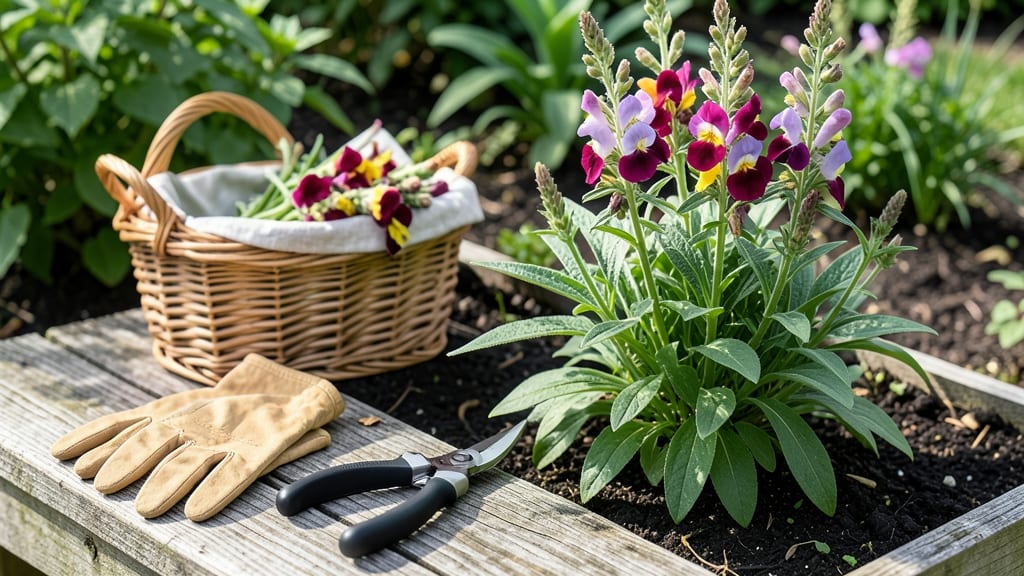
Harvesting snapdragons at the perfect moment can turn a single plant into a continuous bloom machine—but most gardeners miss the subtle cues that make all the difference.
That little-known pinch-and-twist technique isn’t just about cutting flowers; it’s about teaching your 🌸 snapdragons to keep producing vibrant blooms for weeks longer than you’d expect.
If you’ve ever wondered why your snapdragons seem to fizzle out after just a few weeks of flowering, the answer lies in understanding when and how to intervene. The right timing—harvesting buds just as they’re about to open—is the secret to maximizing yield without sacrificing plant health.
I’ll walk you through the exact method that’s kept my snapdragons in full bloom from July through September, even in USDA Zone 6a.
What’s even better? This approach works for both container gardens and in-ground plantings, making it ideal for anyone with spring-planted snapdragons. Whether you’re growing dwarf varieties or towering standard types, the same principles apply.
Let’s dive into the step-by-step process that’ll transform your snapdragons from one-time showstoppers into long-lasting garden stars.
You’ll discover how to avoid common mistakes that leave stems bare or flowers wilted too soon, plus pro tips for arranging your harvest and encouraging reblooming.
By the end, you’ll know exactly when to pinch, when to twist, and how to store your blooms for indoor enjoyment—all while keeping your plants happy and productive.


When and how to pinch snapdragons for maximum blooms
Pinching snapdragons is the secret to longer blooming seasons and healthier plants. When done correctly, this simple technique encourages bushier growth and more flowers by redirecting energy from seed production to new buds.
Most gardeners pinch too late or too aggressively, which stunts growth—so timing and technique matter more than you think.
The best time to pinch snapdragons is when they reach 6 to 8 inches tall and have 4 to 6 sets of true leaves. This is usually 4 to 6 weeks after germination, depending on your climate.
Look for strong stems with visible leaf nodes—these are the spots where new growth will sprout after pinching.
Here’s the pinch-and-twist method I swear by: Use your thumb and forefinger to gently pinch off the top set of leaves just above a leaf node (the bump where leaves grow).
Avoid crushing the stem—this can cause rot. The goal is to remove the terminal bud while leaving the side buds intact.
Why this works: By removing the main growing point, you force the plant to split its energy across multiple side shoots. This leads to thicker, bushier plants with more flower stems. Over time, this can extend your snapdragon’s blooming season by 4 to 6 weeks—a game-changer for cut flower gardens!
For dwarf varieties (like 'Tiny Tower'), pinch less aggressively—just the very top bud is enough. For taller varieties (like 'Black Knight'), you can pinch twice: once at 6 inches, then again when the side shoots reach 4 inches. This creates a fuller, more abundant display of blooms.
🌱 Pro Tip: Always use clean, sharp pruners or your fingers for pinching. Dirty tools can introduce bacterial infections like black spot, which can ruin your plants. Wipe your tools with rubbing alcohol before and after use to keep them sterile.
Step-by-Step Pinching Guide
- Step 1: Wait until snapdragons are 6-8 inches tall with 4-6 true leaves.
- Step 2: Locate the topmost leaf node (the bump where leaves grow).
- Step 3: Pinch off the terminal bud just above the node using your thumb and forefinger.
- Step 4: Remove only the top bud—leave the side buds intact.
- Step 5: Repeat every 4-6 weeks or when side shoots reach 4 inches.
- Step 6: Discard pinched buds or compost them to avoid pests or diseases.
After pinching, your snapdragons will rebound in 2 to 3 weeks with new side shoots. This is your cue to reduce watering slightly (but not fertilizing) to help the plant focus on root and stem development rather than leafy growth.
Once the new shoots are 3 to 4 inches tall, you can resume regular care and watch as your plant transforms into a flowering powerhouse.
One common mistake is pinching too close to the ground, which can kill the plant or leave it stunted. Always leave at least 2 sets of leaves below your pinch point.
Another pitfall is pinching too late in the season—if you wait until August or September, the plant may not have enough time to recover and rebloom before frost.
For continuous blooms, combine pinching with deadheading (removing spent flowers). This encourages the plant to focus energy on new buds rather than seed production. Together, these techniques can turn a single-season wonder into a long-lasting garden star.
🌿 Remember: Snapdragons are annuals, so pinching is your best tool to maximize their lifespan in your garden. With the right timing and care, you’ll enjoy vibrant blooms from early summer until frost—or even later if you’re in a mild climate!
Twisting vs pinching: the best snapdragon harvesting methods compared
Harvesting snapdragons isn’t just about cutting flowers—it’s about choosing the right method for your goals. The pinch method extends blooming season, while the twist method collects seeds. Each technique serves a different purpose, and combining them can give you continuous flowers and seeds for next year.
Most gardeners focus on pinching to encourage more blooms, but twisting is essential if you want to save seeds. Understanding when to use each method will help you maximize your snapdragon harvest without sacrificing plant health or future growth.
Pinch Method
Pros
- Encourages more side shoots and blooms
- Extends flowering season by 4-6 weeks
- Promotes bushier growth and fuller plants
Cons
- Requires regular maintenance (every 2-3 weeks)
- May reduce seed production if overdone
- Not ideal for seed-saving varieties
Twist Method
Pros
- Perfect for collecting seeds for next year
- Allows natural seed ripening without cutting
- Minimal plant stress compared to pruning
Cons
- Fewer new blooms on twisted stems
- Requires patience for seeds to mature
- Not ideal for cut flower arrangements
For continuous blooms, I recommend starting with the pinch method in early summer. Once your plants are established and you’ve encouraged plenty of side shoots, switch to twisting on select stems to collect seeds. This two-step approach ensures you enjoy flowers all season while saving seeds for future plantings.
The key is timing: pinch young shoots when they reach 4-6 inches tall to promote branching, then twist mature stems when seed pods form. This balance keeps your snapdragons productive without overstressing the plant.
If you’re growing snapdragons for cut flowers, focus on pinching to maximize stem length and bloom count. For seed-saving, prioritize twisting on a few stems while letting others continue flowering naturally. Always use clean, sharp tools to avoid damaging the plant.
Pro tip: Label your plants if you’re saving seeds—some snapdragon varieties don’t breed true, so keeping track ensures you get the colors and traits you love next season. 🌸