
Blooming
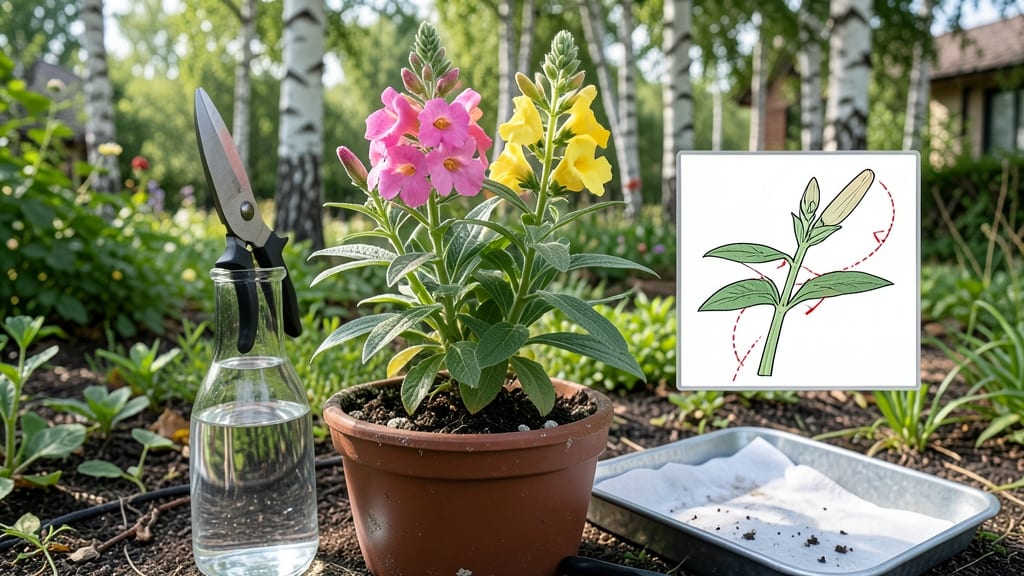
How to cut snapdragons for more blooms—it starts with a single cut. ✂️ I’ve turned my once-sparse snapdragon spikes into bursts of color by mastering this one simple technique—cutting stems at the right time and place. The key isn’t just pruning; it’s when you do it to trigger fresh blooms without stressing the plant.
You’ll need sharp bypass pruners (dull blades crush stems) and a sunny morning to work. The goal is to remove spent blooms just above the next set of leaves—this redirects energy from seed production to new flowers.
Do this every 7-10 days, and you’ll see a second (or third!) wave of blooms within weeks. The plants stay bushier, too.
What you’ll end up with is snapdragons that keep flowering until frost, their stems packed with buds instead of wilted stems. The scent? Even stronger.
The color? More vibrant. It’s the difference between a handful of blooms and a garden full of them—all from a few minutes of careful cutting.
Works for all snapdragon varieties—tall, dwarf, or trailing—and even saves you from buying new plants next year. The secret’s in the timing: never cut more than one-third of the plant at once, and always prune after the morning dew dries. Your snapdragons will thank you with nonstop blooms.
📚 In This Guide
- What you need
- Instructions
- Tips and common mistakes
- Wrapping up and next steps
What you need
- ● Sharp, clean pruning shears or bypass pruners – Look for ergonomic, stainless-steel blades (4-6" length) to avoid crushing stems.
- ● Hand pruners or scissors – For smaller stems or delicate trimming (smaller than ¼" thickness).
- ● Rubbing alcohol (70% isopropyl) or bleach solution – 1 part bleach to 9 parts water to sterilize tools between cuts.
- ○ Garden gloves (optional but recommended) – Nitrile or cotton gloves to protect hands from thorns or sap.
- ● Permanent marker or masking tape – For labeling stems if tracking regrowth.
- ● Bucket or container with water – A 5-gallon bucket or similar to hold cut stems temporarily.
- ○ Garden twine or plant ties (optional) – To secure stems if staking is needed post-trimming.
- ● Pruning saw (for thick stems) – If dealing with woody snapdragon varieties.
- ● Disposable gloves – For quick, mess-free trimming.
- ● Plant food or fertilizer (balanced NPK 10-10-10) – To boost regrowth after pruning.
- ● Notebook or app (e.g., Gardenate) – To log pruning dates and bloom cycles.
Step-by-step instructions for cutting snapdragons to encourage abundant blooms
Here's the method I've used for years to transform my snapdragons from occasional bloomers into nonstop flowering powerhouses.
✂️ Step 1: Identify the Right Time to Trim
Wait until at least 3-5 flower spikes have fully opened on each plant before cutting. This ensures the plant has built up enough energy reserves to support new growth. Look for blooms that have completed their full color development—they'll feel slightly papery to the touch when gently squeezed.
Never cut snapdragons when they're just starting to bloom. You'll stunt their flowering cycle entirely. Instead, focus on plants that have already shown they can produce flowers—this signals they're mature enough to handle pruning. I always check in mid-morning after dew has dried, as stems are most firm and less likely to tear when cut.
✂️ Step 2: Use Proper Cutting Technique
Make clean cuts just above a set of leaves where the stem meets the foliage, using sharp, clean pruners. Avoid tearing the stem—rough cuts invite disease. I like to angle my cuts slightly to prevent water from pooling on the wound, which could cause rot. Cut at a 45-degree angle, about ¼ inch above the leaf node.
Remove only the spent flower spikes, never more than one-third of the plant's total growth at once. Snapdragons are delicate perennials (or biennials) and respond poorly to aggressive pruning. Leave at least 6-8 inches of foliage remaining to maintain photosynthesis. The goal is to encourage branching, not defoliation.
🌿 Step 3: Promote Bushier Growth
After cutting, watch for new side shoots to emerge from the leaf axils within 7-10 days. These will become your new flowering stems. To encourage more branching, pinch off any new growth that appears leggy or growing straight up—this redirects energy into wider, bushier development. You'll know you're doing it right when you see multiple stems forming at each node.
Never fertilize immediately after pruning. Wait 2-3 weeks to allow the plant to establish new root growth first. I use a balanced 10-10-10 fertilizer at half-strength once new shoots appear, but only if the foliage looks dark green and healthy. Pale leaves signal the plant needs nutrients; dark, glossy leaves mean it's thriving without extra input.
☀️ Step 4: Adjust Care for Post-Pruning Recovery
Increase watering slightly during the first 2 weeks after pruning to support new growth, but avoid soggy soil. Snapdragons hate wet feet. Water deeply once every 5-7 days until the top 2 inches of soil feel dry. You'll see new leaves emerge within 10-14 days—that's your signal everything is working.
Move plants to a location with full sun (6+ hours daily) if they were previously in partial shade. The extra light helps compensate for the energy used in producing new growth. If your snapdragons were already in full sun, simply ensure they're not crowded—good airflow prevents fungal diseases that can attack stressed plants.
⏰ Step 5: Plan for Continuous Blooming
Repeat the cutting process every 4-6 weeks throughout the growing season. This keeps snapdragons flowering continuously from early summer until frost. The key is consistency—don't let more than 20% of blooms go to seed before cutting, or the plant will shift its energy into seed production instead of new flowers.
In fall, cut back all remaining flower spikes but leave the foliage intact. Snapdragons often produce a second flush of blooms in late summer if given proper care. Once frost threatens, cut the plants back to 4 inches tall and mulch heavily to protect the roots. Many snapdragons self-seed prolifically, so you'll likely have new volunteers popping up next season.
Tips & tricks for perfect snapdragon pruning
These precision techniques will transform your snapdragons from occasional bloomers into flowering powerhouses—without the guesswork.
Timing is Everything: The 3-5 fully opened blooms rule is non-negotiable. I learned this the hard way after cutting too early and ending up with leggy stems that never rebloomed. Look for blooms that have fully unfurled and feel slightly papery—this indicates they've completed their energy transfer to the plant. Mid-morning is ideal for cutting because stems are firmest after dew has evaporated, preventing tearing that can introduce pathogens.
Tool Precision Matters: Sharp, clean pruners are your best friend here. Dull blades crush stems and create jagged cuts that invite disease. I sterilize my pruners with rubbing alcohol between cuts on different plants to prevent cross-contamination. The 45-degree angle cut just above a leaf node creates a larger surface area for healing while preventing water pooling that could cause rot. Think of it as giving your plant a clean surgical incision rather than a rough amputation.
Post-Pruning Care Strategy: That 2-week watering adjustment is crucial—you're not just hydrating, you're signaling to the plant that it's time to focus on regrowth. I increase my watering frequency to every 5-7 days but check soil moisture by sticking my finger 2 inches deep; if it's dry, it's time to water. The goal is to keep the roots consistently moist without creating waterlogged conditions. This balance is what triggers those new side shoots within the promised 7-10 days.
Seasonal Adaptation: The 4-6 week pruning cycle assumes average summer conditions. If you're in a hot, dry climate, you might need to prune every 3-4 weeks to prevent stress, while cooler regions can stretch to 6-8 weeks. Always adjust based on your plants' appearance—healthy foliage that's dark green and glossy means you're on track. The 20% bloom-to-seed ratio is your early warning system: if you see more than 20% of blooms developing seed pods, it's time to prune before the plant diverts energy to reproduction instead of new flowers.
Pro Tips for Cut Snapdragons For More Blooms
- These precision techniques will transform your snapdragons from occasional bloomers into flowering powerhouses—withou...
- Timing is Everything: The 3-5 fully opened blooms rule is non-negotiable. I learned this the hard way after cutting t...
- Tool Precision Matters: Sharp, clean pruners are your best friend here. Dull blades crush stems and create jagged cut...
Frequently asked questions
Got questions about pruning snapdragons for a blooming bonanza?
You’re not alone! Here are answers to the most common queries—so you can confidently snip, grow, and enjoy those vibrant blooms all season.
When is the best time to cut snapdragons for more flowers?
Prune snapdragons in the morning after dew has dried but before the heat of the day. This timing reduces stress on the plant and gives it time to recover. Avoid cutting after rain—wet stems can invite disease. Pro tip: Aim for early spring or mid-summer for a second flush of blooms!
How much should I cut off snapdragons to encourage new growth?
Trim just above a leaf node (the point where leaves meet the stem) using clean, sharp shears. For mature plants, cut back by one-third to one-half of the stem length. Avoid over-pruning—this can shock the plant. Pro tip: Leave at least 4-6 inches of stem to support regrowth.
What if my snapdragons stop blooming after cutting?
If blooms stall, check for these issues:
- Over-pruning: Too much cutting can stress the plant.
- Lack of nutrients: Feed with a balanced fertilizer after pruning.
- Poor light: Snapdragons thrive in full sun (6+ hours/day).
- Disease: Yellowing leaves or spots? Trim infected parts immediately.
Pro tip: Deadhead spent blooms to redirect energy to new flowers!
Can I cut snapdragons for bouquets and still get more blooms?
When harvesting for bouquets, cut stems at an angle just above a leaf node. Choose fully open blooms to avoid weakening the plant. Pro tip: Leave at least half the plant untouched to ensure continuous regrowth and future blooms.
Should I prune snapdragons in fall or winter?
No—snapdragons are annuals (or tender perennials in warm climates). In fall, stop pruning and let the plant die back naturally. In cold zones, mulch the base to protect roots. Pro tip: If growing as perennials, trim lightly in late winter to shape, but avoid heavy cuts until spring!
Wrapping up and next steps
With just a little precision and care, you can transform your snapdragons into bloom powerhouses! Remember: timing, clean cuts, and regular maintenance are your best friends. Grab those shears, follow the steps, and watch your garden flourish like never before.
Ready to level up your gardening game? 🌸 Start experimenting with different cutting techniques, track your results, and soon, you’ll be the envy of every neighbor with your endless snapdragon blooms. Happy pruning!