
Picking
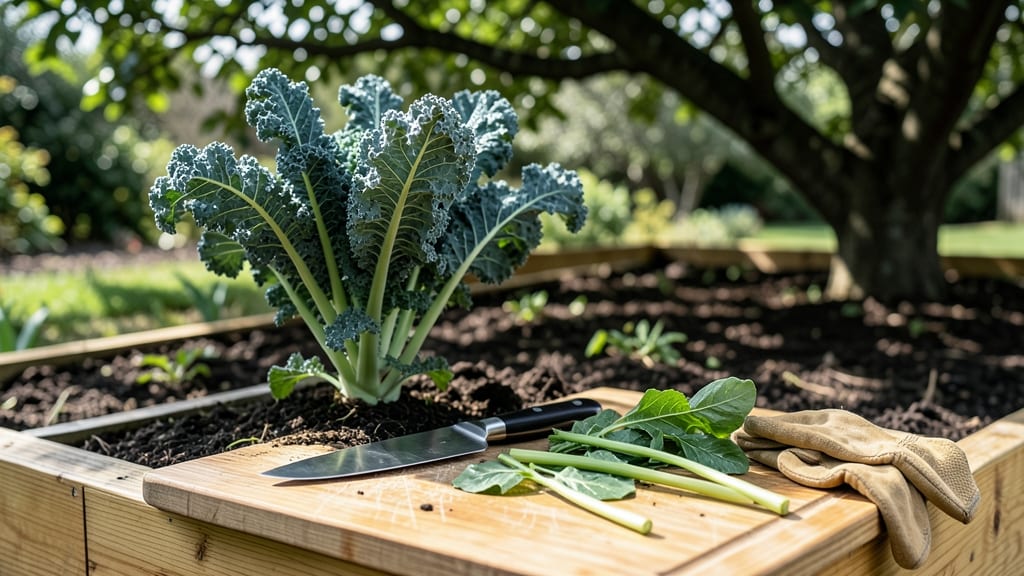
Harvesting lacinato kale feels like uncovering a secret—those deep blue-green leaves packed with flavor and nutrients. 🌿 The key is timing: pick leaves when they're mature but before frost bites them, or you'll lose that tender crunch and rich taste.
I learned the hard way that waiting too long turns kale tough and bitter, so I now harvest mine consistently to keep the plants productive.
Use sharp scissors or pruning shears to cut outer leaves at the base, leaving the inner leaves to grow. This method keeps your plants producing for months—I've had my kale plants last through two winters with proper care.
Never take more than a third of the plant at once, or you risk stunting regrowth. The first harvest gives you enough for salads, while later harvests yield heartier leaves perfect for sautéing.
After harvesting, store leaves in the fridge wrapped in a damp paper towel for up to a week, or freeze them for longer storage. A single plant can yield 1-2 pounds of leaves per harvest, and with proper spacing, you'll get multiple harvests from one planting.
The secret to continuous production? Consistent harvesting—don't let the plant get overcrowded or leggy.
For best results, harvest in the morning when leaves are crispest and most flavorful. If you're growing in cooler climates, a light frost actually sweetens the leaves, but harvest before they turn mushy.
With this method, you'll enjoy fresh lacinato kale straight from your garden all season long—no store-bought greens needed.
📚 In This Guide
- What you need
- Instructions
- Tips and common mistakes
- Wrapping up and next steps
What you need
- ● Sharp pruning shears or garden scissors – Look for bypass-style blades (8–10 inches) for clean cuts. Quantity: 1 pair.
- ● Garden gloves – Opt for nitrile-coated or leather gloves (size medium/large) to protect hands from thorns. Quantity: 1 pair.
- ● Large harvest basket or bucket – A 10–15 gallon container with a handle for easy transport. Quantity: 1.
- ○ Sharp kitchen knife or cleaver – For trimming stems post-harvest (optional but handy). Quantity: 1.
- ● Pruning saw – For thick, woody stems (rare in young plants).
- ● Spray bottle with water – Keeps leaves fresh during transport.
- ● Disinfectant spray (70% isopropyl alcohol) – Wipe tools between cuts to prevent disease.
- ● Cooling container or ice pack – Preserves crispness if storing before use.
Step-by-step instructions for harvesting lacinato kale
Here’s how I harvest my lacinato kale—keeping plants productive and leaves tender for weeks.
🌿 Step 1: Identify Mature Leaves Ready for Harvest
Lacinato kale leaves are ready when they reach 6-8 inches long and have deep, glossy dark green color. Look for leaves that are fully curled but still firm—soft or yellowing leaves mean it’s past its prime. I always start with the outer leaves first, leaving the inner, younger leaves to grow.
Run your fingers gently along the stem where the leaf meets the plant. If it pulls away easily without tearing, it’s ready. If it resists, wait a few days. Harvesting too early stunts growth, but waiting too long makes leaves tough and bitter.
✂️ Step 2: Cut Leaves Cleanly for Continued Growth
Use clean, sharp scissors or pruning shears to snip the leaf stem at a 45-degree angle, about ½ inch above the next leaf. This angle helps water run off instead of pooling on the stem, which prevents rot. Avoid tearing leaves—it stresses the plant and invites pests.
I never remove more than ⅓ of the plant at once. Lacinato kale grows back quickly, but aggressive harvesting can shock the plant. After cutting, shake off any dirt or insects before storing or cooking. This keeps your greens clean and extends their shelf life.
🌱 Step 3: Encourage Bushier Growth After Harvesting
After harvesting, give the plant a light drink of water if the soil feels dry to the touch. Lacinato kale thrives with 1-1.5 inches of water per week, but overwatering can lead to bitter leaves. I always water in the morning so excess moisture evaporates by evening.
If your kale starts looking leggy or sparse, it’s time to fertilize. Use a balanced, organic fertilizer (like 10-10-10) every 4-6 weeks during the growing season. This encourages new leaf production and keeps your plant lush. Pinch back the tips of the tallest stems to promote bushier growth.
⏰ Step 4: Time Harvests for Peak Flavor and Storage
Harvest lacinato kale in the morning after a light frost for the sweetest flavor—frost converts starches to sugars. If you’re growing in warmer climates, harvest in the late afternoon when temperatures drop slightly. Avoid harvesting after heavy rain, as wet leaves bruise easily and spoil faster.
Store harvested leaves in a paper towel-lined container in the fridge for up to 5-7 days. For longer storage, blanch leaves in boiling water for 2 minutes, then shock in ice water before freezing. This preserves texture and nutrients for months.
☀️ Step 5: Maintain Plant Health Between Harvests
Keep your lacinato kale in full sun (6+ hours daily) for optimal growth. If leaves start yellowing between the veins, it’s a sign of iron deficiency—add a chelated iron supplement or compost tea to the soil. Mulch around the base with 2-3 inches of straw or shredded leaves to retain moisture and suppress weeds.
Watch for pests like aphids or cabbage worms. I spray plants with a mix of 1 tablespoon neem oil per gallon of water at the first sign of trouble. Regular harvesting actually deters pests by keeping the plant from flowering, so stay consistent!
Tips & tricks for perfect lacinato kale harvesting
Here's what nobody tells you—these simple tricks will help you harvest lacinato kale that stays fresh and flavorful for weeks.
Leaf Selection: Always harvest from the outer leaves first, leaving the inner leaves to mature. This method keeps your plant productive and prevents stress. Look for leaves that are deep green with a slight purple tint—these are at their peak flavor. Avoid harvesting leaves with yellowing edges or holes, as these indicate pests or disease and can spread to the rest of your plant.
Timing Secret: The best time to harvest is in the early morning when the leaves are still crisp and hydrated. This is when they're at their peak flavor and texture. If you must harvest later in the day, do it in the late afternoon to avoid the intense midday sun, which can cause the leaves to wilt more quickly.
Equipment Matters: Use clean, sharp scissors or pruning shears to avoid tearing the leaves. Dull blades can crush the stems, which can lead to disease and reduce the plant's ability to regrow. I like to keep a small pair of scissors dedicated just to harvesting kale—it makes the process quicker and more efficient.
Storage Wisdom: To keep your harvested lacinato kale fresh for the full 5-7 days, store it in a plastic bag with a damp paper towel. The towel helps maintain moisture without making the leaves soggy. If you're freezing, remember that blanching for exactly 30 seconds preserves color and texture—don't skip this step!
Pro Tips for Harvest Lacinato Kale
- Here's what nobody tells you—these simple tricks will help you harvest lacinato kale that stays fresh and flavorful for weeks.
- Leaf Selection: Always harvest from the outer leaves first, leaving the inner leaves to mature.
- Timing Secret: The best time to harvest is in the early morning when the leaves are still crisp and hydrated.
Frequently asked questions
Got questions about harvesting lacinato kale? You’re not alone! Here are answers to the most common ones to help you get the best yield and flavor from your crop.
When is the best time to harvest lacinato kale?
Harvest lacinato kale when the leaves are mature but still tender—typically 60–80 days after planting. For the best flavor, pick outer leaves in fall or early winter when frost sweetens the greens. Avoid harvesting in extreme heat or drought, as this can make leaves bitter.
How do I harvest lacinato kale without damaging the plant?
Use a sharp knife or clean scissors to cut leaves about 1–2 inches from the base, leaving the center stem intact. Never pull leaves—this can uproot the plant. For larger harvests, cut the entire stem at the base and let regrowth happen (though this may reduce future yields).
Can I harvest lacinato kale in the summer?
Yes, but with caution! Summer heat stresses kale, making leaves tough and bitter. If harvesting in summer, pick early in the morning when temps are cooler. Mulch plants with straw or shade cloth to protect them. For the best quality, prioritize fall/winter harvests when conditions are ideal.
What should I do if my kale leaves turn yellow or wilt before harvest?
Yellowing or wilting often signals over-maturity, pests, or disease. Check for aphids, cabbage worms, or fungal spots. If leaves are just old, trim them and focus on younger growth. For pests, spray with soapy water or neem oil. Ensure plants get 1–2 inches of water weekly and avoid over-fertilizing with nitrogen.
How long does harvested lacinato kale stay fresh?
Store harvested kale in the crisper drawer of your fridge (humidity: 95–100%) for up to 2 weeks. For longer storage, blanch and freeze leaves for 8–12 months. To extend shelf life, remove wilted leaves promptly and avoid washing until ready to use.
Wrapping up and next steps
Harvesting lacinato kale is a rewarding experience—whether you're a seasoned gardener or just starting out! With the right timing, tools, and techniques, you’ll enjoy a bountiful harvest packed with nutrients and flavor.
Now that you’re equipped with these tips, grab your shears and get ready to transform your garden into a culinary treasure trove.
🌱 Next steps:
- Try a simple roasted kale recipe with your fresh harvest!
- Experiment with different harvesting methods to see what works best for your plants.
- Share your success (or questions!) in the comments—we’d love to hear from you!