
Size
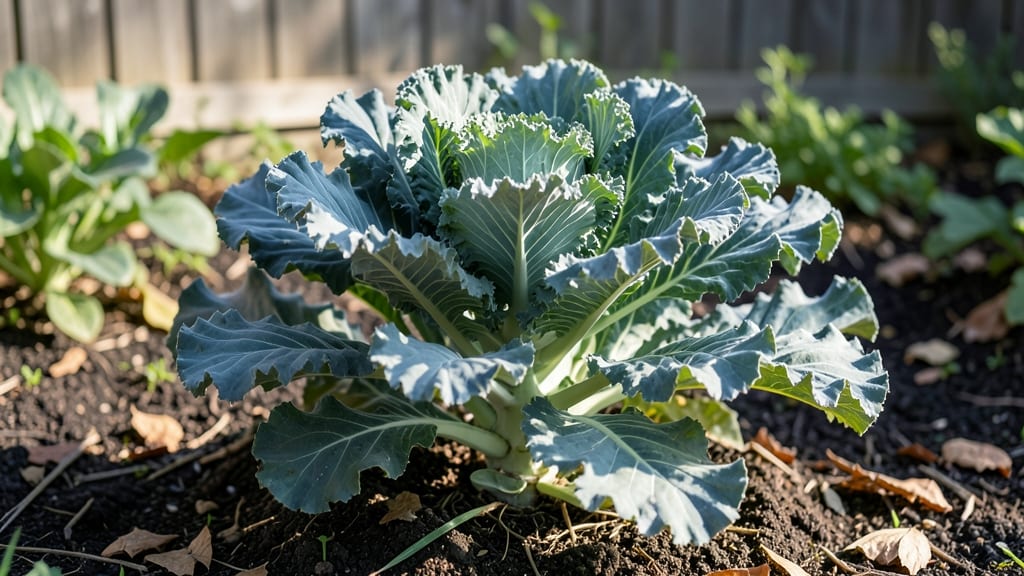
Growing Dino kale feels like cultivating a nutrient-packed superfood tower. 🌱 The deep blue-green stems and crinkled leaves pack more vitamins per bite than most greens, and they're shockingly easy to grow—even if your thumb is more brown than green.
My first harvest last spring had me snapping off stems for salads every week, and the plants kept producing for months.
Start with rich, well-draining soil (amend with compost if yours is heavy clay) and plant seeds ¼ inch deep, 18 inches apart in rows. Dino kale thrives in cool weather and tolerates light frost, making it a foolproof spring or fall crop.
Water consistently to keep soil moist but not soggy—drought stress makes leaves bitter. A 3-inch layer of mulch helps retain moisture and keeps weeds at bay.
By day 60, you'll be harvesting tender, sweet stems that hold up better than store-bought greens. Cut outer leaves first to encourage bushier growth, and avoid over-fertilizing—Dino kale prefers lean soil.
The secret to success? Patience and regular harvesting. My plants grew 2 feet tall by midsummer, and the flavor only improved with age.
Companion plants like onions and garlic deter pests, while radishes mark rows neatly. Avoid planting near strawberries—they compete for nutrients. With proper care, one plant yields enough for 4-6 salads, and the leftover stems freeze beautifully for winter. Here's how to keep them thriving all season long.
📚 In This Guide
- What you need
- Instructions
- Tips and common mistakes
- Wrapping up and next steps
What you need
- ● Seeds: 1 packet of Dino Kale seeds (non-GMO, heirloom preferred; ~50-100 seeds per packet).
- ● Growing Containers: For container gardening: 5-gallon pots or grow bags (minimum 12" deep) with drainage holes.
- ● For in-ground planting: Loose, well-draining soil in a sunny spot (6+ hours of sunlight daily).
- ● Soil: High-quality potting mix (or garden soil amended with compost; pH 6.0-7.0).
- ● Fertilizer: Balanced organic fertilizer (e.g., 10-10-10) or compost tea for nutrient boost.
- ● Watering Can or Hose: With a gentle spray nozzle for even moisture.
- ● Gloves & Pruners: To handle plants and trim stems as needed.
- ● Seed Starting Kit: For indoor germination (heat mat + seed trays).
- ● Mulch: Straw or wood chips to retain moisture and suppress weeds.
- ● Trellis or Stakes: To support tall stems (especially in windy areas).
- ● pH Test Kit: To monitor soil acidity (Dino Kale prefers slightly acidic to neutral soil).
- ● Shade Cloth: For hot climates (30-50% shade during peak summer).
Step-by-step instructions for growing Dino kale
Here's how I grow this hardy, nutrient-dense variety—ready for harvest in just 60 days.
🌱 Step 1: Choose the Right Location and Prepare Soil
Dino kale thrives in full sun to partial shade, with at least 4-6 hours of direct sunlight daily. I plant mine in a spot that gets morning sun and afternoon shade—this prevents bolting in hot climates. The soil should be well-draining but moisture-retentive, with a pH between 6.0-7.0.
Work in 2-3 inches of compost or aged manure to enrich the soil. Dino kale loves nutrients, and this gives it the energy to grow those thick, sturdy stems. If your soil is heavy clay, mix in 1 part perlite to 3 parts soil to improve drainage. Avoid fresh manure—it can burn young seedlings.
🌱 Step 2: Plant Seeds or Transplants at the Right Time
For direct sowing, plant seeds ¼ inch deep, spacing them 12-18 inches apart in rows 2 feet apart. I like to start seeds indoors 4-6 weeks before the last frost45°F. This gives seedlings a head start and extends the growing season.
If using transplants, harden them off for 7-10 days before moving them outside. Watch for first true leaves—these are the second set of leaves that appear after the initial seed leaves. Once they emerge, your seedlings are ready to transition to outdoor conditions gradually.
💧 Step 3: Water Consistently and Mulch to Retain Moisture
Dino kale needs 1-1.5 inches of water per week, including rainfall. Water deeply at the base of the plant to encourage strong root growth, and avoid wetting the leaves to prevent disease. I water in the morning so the foliage has time to dry before evening, reducing the risk of fungal issues.
Apply a 2-3 inch layer of organic mulch, like straw or shredded leaves, around the base of the plants. This keeps the soil moist, suppresses weeds, and regulates soil temperature. Mulch also protects the stems from direct contact with cold or hot soil, which can stress the plant.
☀️ Step 4: Fertilize for Strong, Nutrient-Rich Growth
Feed your Dino kale with a balanced organic fertilizer, like a 5-5-5 or 10-10-10, every 4-6 weeks during the growing season. I also side-dress with compost mid-season to give the plants a nutrient boost. Avoid over-fertilizing with nitrogen—this can lead to excessive leaf growth at the expense of stem development.
Look for deep green leaves and thick, upright stems as signs your plants are thriving. If the leaves start to yellow, it’s a sign of overwatering or nutrient deficiency. Adjust your watering schedule or add a balanced fertilizer to correct the issue.
✂️ Step 5: Harvest and Maintain for Continuous Production
Dino kale is ready for harvest in about 60 days, but you can start picking outer leaves as soon as they reach 6-8 inches tall. This encourages the plant to keep producing new growth. Use clean, sharp scissors or pruners to cut leaves just above a set of leaves or a growing point.
To maximize yield, harvest the largest, most mature leaves first. Avoid cutting into the center of the plant, as this can stunt growth. With proper care, Dino kale will continue producing for weeks, making it a great choice for continuous harvests. Enjoy the crisp, slightly sweet flavor in salads, smoothies, or sautéed dishes!
Tips & tricks for perfect Dino kale growth
Want to grow the sturdiest, most nutrient-packed Dino kale? These simple tricks will help you avoid common pitfalls and maximize your harvest.
Sunlight Strategy: Dino kale loves morning sun but can handle afternoon shade—this is key to preventing bolting in hot climates. If you're in a particularly sunny region, consider using shade cloth during peak afternoon hours (around 1-4 PM) when temperatures exceed 85°F. The goal is to keep leaves cool enough to maintain that perfect crisp texture while still getting those essential 4-6 hours of sunlight.
Soil Preparation Secret: The 2-3 inches of compost or aged manure isn't just about nutrients—it's about creating the perfect soil structure. I always mix in a handful of worm castings with my compost because they contain beneficial microbes that help break down nutrients into forms the plants can use immediately. This gives your Dino kale an extra energy boost right from planting. For heavy clay soils, that perlite-to-soil ratio (1:3) is crucial—it prevents waterlogging while still maintaining moisture retention.
Seed Starting Insight: When starting seeds indoors 4-6 weeks before last frost, use small biodegradable pots instead of plastic cell trays. The roots will have more room to develop before transplanting, and you won't have to disturb them when moving to the garden. Place pots on a heating mat set to 70°F—this helps seeds germinate faster and gives seedlings a stronger start. I've found that seeds germinate in about 7-10 days under these conditions, which is about 3 days faster than at room temperature.
Harvesting Hack: The 6-8 inch height guideline for first harvests is perfect, but here's what nobody tells you: the sweet spot for maximum yield is actually harvesting when leaves reach 10-12 inches. The extra growth gives you more leaf per cut while still encouraging new growth. Just be sure to use clean, sharp scissors—dull blades can crush stems and invite disease. I keep a small bottle of rubbing alcohol handy to wipe down blades between cuts to prevent cross-contamination.
Pro Tips for Grow Dino Kale
- Want to grow the sturdiest, most nutrient-packed Dino kale?
- Sunlight Strategy: Dino kale loves morning sun but can handle afternoon shade—this is key to preventing bolting in hot climates.
- Soil Preparation Secret: The 2-3 inches of compost or aged manure isn't just about nutrients—it's about creating the perfect soil structure.
Frequently asked questions
Got questions about growing your own Dino Kale? You’re not alone! Here are answers to the most common queries to help you cultivate this nutrient-packed superstar with confidence.
How long does it take for Dino Kale to mature?
Dino Kale typically reaches harvestable size in 60–70 days from seed. For baby leaves, you can start picking as early as 30–40 days. The key is patience—larger stems take longer but pack more nutrients!
Can I grow Dino Kale in hot climates?
Dino Kale thrives in cool weather (50–70°F), but it can bolt (go to seed) quickly in heat. For hotter regions, plant in early spring or fall, provide shade cloth, or opt for slow-bolting varieties like ‘Winterbor’.
How do I harvest Dino Kale without killing the plant?
Use clean scissors or pruners to snip outer leaves or stems 1–2 inches above the base. Leave the center intact so it keeps growing. For baby leaves, pinch off the youngest leaves for a continuous harvest!
What can I do if my Dino Kale turns yellow?
Yellowing leaves often signal overwatering, nutrient deficiency, or pests. Check soil moisture (keep it consistently damp, not soggy), fertilize with balanced organic fertilizer, and inspect for aphids or cabbage worms. Adjust care, and your plant should bounce back!
Can I substitute Dino Kale for regular kale in recipes?
Dino Kale’s sweeter, more tender stems make it a great swap for curly kale. Use it raw in salads, sautéed like spinach, or roasted for a nutrient-packed side dish. Just chop stems into smaller pieces—they’re thicker than traditional kale!
Wrapping up and next steps
Growing Dino Kale is a rewarding journey that brings bold flavor, striking appearance, and serious nutrition to your plate in just 60 days! With the right soil, spacing, and care, you’ll harvest vibrant stems packed with vitamins—perfect for salads, sautéing, or juicing.
Whether you’re a beginner or a seasoned gardener, this leafy green proves that big results come from small (but mighty) efforts. 🌱
Ready to elevate your harvest? Start by planting your first seeds this week—then, once you’ve mastered Dino Kale, explore other nutrient-dense greens or experiment with companion planting to maximize your garden’s potential! 💪