
How To
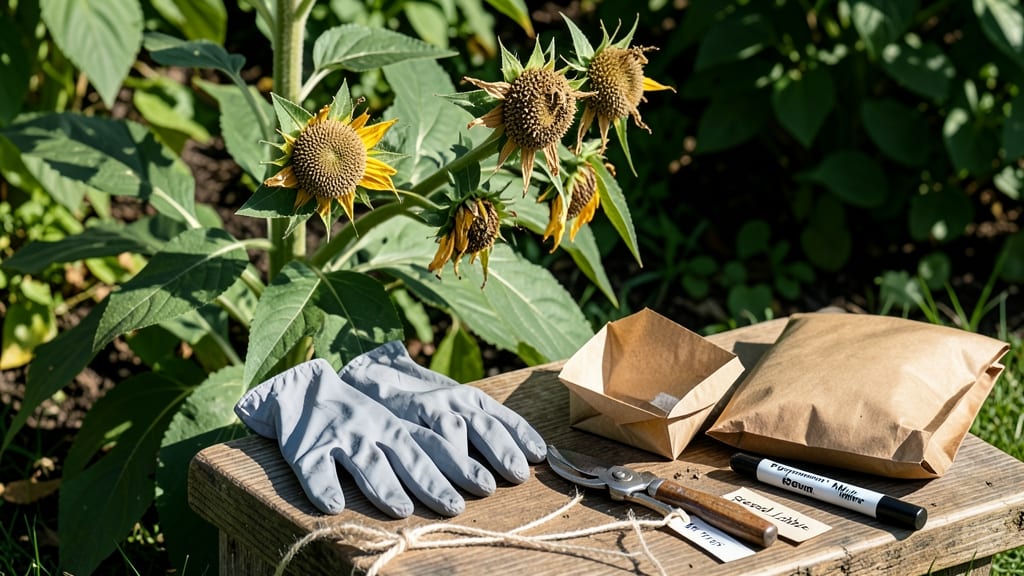
Harvesting rudbeckia seeds at the right time can mean the difference between thriving plants next spring and wasted effort. The late September to October window is your best shot to collect viable seeds before frost sets in, but knowing exactly when they're ready is key.
I’ve learned the hard way—waiting too long means brittle seeds that crumble, while harvesting too early leaves you with seeds that won’t germinate. The trick is watching for those brown, papery flower heads that rattle when shaken, signaling it’s time to act.
Let me walk you through the perfect timing and steps to ensure your seeds are ready for next year’s garden.
You’ll need just a few simple tools, and the process is easier than you think. Once you’ve got those seeds in hand, proper storage keeps them fresh until planting season. Whether you’re a seasoned gardener or just starting, this guide will help you avoid common mistakes and maximize your harvest.
By the end, you’ll know exactly when to harvest, how to dry and store your seeds, and even how to troubleshoot if something goes wrong. Let’s get those rudbeckia seeds ready for a flourishing garden in no time!


When to harvest rudbeckia seeds: best timing for viable collection
Harvesting rudbeckia seeds at the right time ensures high germination rates and healthy new plants. The key is watching for visual maturity cues rather than relying on a calendar. Most rudbeckia varieties reach seed readiness between late September and October, but this varies slightly by climate and cultivar.
Start monitoring your rudbeckia plants in early fall when blooms begin fading. Look for dried, papery petals and brown seed heads that contrast sharply with the green foliage. These visual changes signal the plant is shifting from flowering to seed production.
Timing is critical because harvesting too early means immature seeds that won't germinate, while waiting too long risks seed loss from dropping or frost damage. The ideal window is when seed heads become brittle and crumbly—they should easily break apart when gently squeezed.
🌾
| Stage | Visual Cues | Action |
|---|---|---|
| Early Bloom | Bright petals, green seed heads | Monitor for color changes |
| Seed Maturation | Brown seed heads, dried petals | Wait for brittleness |
| Overripe | Seed heads split open, seeds scatter | Harvest immediately |
| Frost Risk | Frost forecast before harvest | Harvest and dry indoors |
For gardeners in warmer climates (USDA Zones 8-10), rudbeckia seeds may mature earlier, sometimes as early as August. Conversely, in cooler regions (Zones 3-6), you might need to wait until October or November to avoid frost damage.
Always check for seed head rattling—a telltale sign seeds are ready. Give them a gentle shake: if seeds fall out easily, they're harvest-ready. If they feel moist or sticky, wait a few more days for full maturity.
Weather plays a role too. Harvest on dry, sunny days to prevent mold growth. If rain is forecasted, collect seeds promptly to avoid dampness, which can reduce viability. Store harvested seeds in a cool, dry place until you're ready for processing.
🌡️
One common mistake is harvesting seeds from overripe plants where seed heads have already split open. These seeds often scatter before you can collect them. To prevent this, monitor plants closely and harvest when you see the first signs of brittleness and browning.
Pro tip: Label your seed packets with the harvest date and variety name. This helps track freshness and ensures you plant the right types next season. Rudbeckia seeds typically remain viable for 1-2 years when stored properly.
📋
Step-by-step rudbeckia seed harvesting: from flower to packet
Harvesting rudbeckia seeds is simpler than you think, but precision ensures high-quality seeds for next year. Start by letting the flower heads mature fully on the plant—this takes about 4-6 weeks after blooming.
Avoid cutting heads too soon, or seeds won’t develop properly. Once the seed heads turn completely brown and feel dry to the touch, they’re ready for collection.
Gather your tools: a pair of clean scissors or pruners, a paper bag or envelope, and a dry workspace. Work on a sunny, dry day to prevent moisture from sticking to seeds. This setup keeps everything efficient and mess-free while preserving seed viability.
How to Harvest Rudbeckia Seeds: Step-by-Step
- Step 1: Cut the dry seed heads from the stem using clean scissors. Leave a 1-inch stem attached for stability.
- Step 2: Place seed heads in a paper bag and tie it securely. Hang the bag upside down in a dry, shaded spot for 1-2 weeks to finish drying.
- Step 3: Once fully dry, gently rub the seed heads between your hands or use a fork to loosen seeds from the center.
- Step 4: Sift through seeds to remove debris, then store them in a labeled envelope or airtight container.
- Step 5: Label with the harvest date and rudbeckia variety for future reference.
Pro tip: Avoid harvesting seeds on humid days, as moisture can cause mold. If you’re short on time, you can also collect seeds directly from the dry seed heads on the plant by gently squeezing them into your hand. This method works well for small batches.
Common mistakes include harvesting seeds too early (they won’t germinate) or too late (seeds may scatter or sprout prematurely). Always check for brittle, dry seed heads—these are your best bet for successful germination. Store seeds in a cool, dark place to maintain their viability for up to 2 years.
Once your seeds are stored, you’re ready to plant them next spring. Simply scatter them on prepared soil and lightly cover with a thin layer of compost. With proper care, your rudbeckia will return even more vibrant than before!