
How To
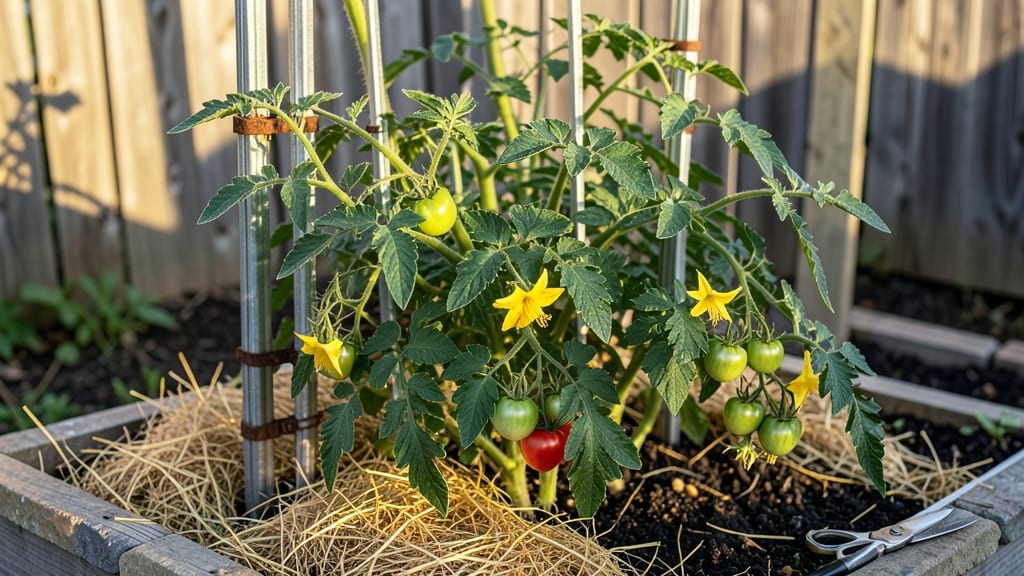
How to grow tall tomato plants—this is how you turn spindly seedlings into sturdy, sun-drenched giants. 🌿 I’ve grown indeterminate varieties for years, and the secret isn’t just picking the right cage or stake, but mastering the balance of sunlight, pruning, and support from day one. Skip the guesswork and grow plants that climb higher, produce more, and stay upright even in summer storms.
Start with determinate varieties like ‘Sungold’ or indeterminate powerhouses like ‘Brandywine’—the latter will keep growing until frost. Amend your soil with compost for sturdy stems, then install 5-6 foot cages or bamboo stakes before planting.
Prune suckers (those little shoots in leaf junctions) weekly to direct energy upward, and water deeply at the base—never overhead—to prevent weak stems. Within 6-8 weeks, you’ll see plants stretching toward the sun, their vines heavy with fruit.
📚 In This Guide
- What you need
- Instructions
- Tips and common mistakes
- Wrapping up and next steps
What you need
- ● Tomato Seeds or Seedlings: Choose indeterminate varieties (e.g., 'Sungold,' 'Brandywine,' or 'Cherokee Purple') for tall, vining growth.
- ● Quantity: 3–6 plants per cage (or 1–2 per container if growing in pots).
- ● Containers or Garden Beds: Pots: 5-gallon containers or larger (minimum 12" deep) for each plant.
- ● Garden beds: Well-draining soil with at least 18" depth.
- ● Support Structures: Cages: 5–6 ft tall tomato cages (metal or sturdy plastic).
- ○ Trellises or stakes: 6–8 ft bamboo stakes or wooden trellises (optional but ideal for heavy varieties).
- ● Ties: Soft plant ties or old T-shirts (to secure vines gently).
- ● Soil & Fertilizer: High-quality potting mix or garden soil amended with compost (add 2–3 inches of compost per planting hole).
- ● Balanced fertilizer: 10-10-10 or 5-10-10 (follow package rates for seedlings).
- ○ Slow-release fertilizer: Optional but helpful (e.g., Osmocote or compost tea).
- ● Watering Supplies: Watering can or hose with a gentle spray nozzle.
- ○ Drip irrigation: Optional for consistent moisture (especially in hot climates).
- ● Mulch: Straw or shredded leaves to retain moisture and suppress weeds.
- ● Pruning shears: For trimming suckers and shaping plants (sterilize with rubbing alcohol).
- ● Epsom salt: 1 tbsp per plant every 2–3 weeks for magnesium boost (great for leafy growth).
- ● Shade cloth: Lightweight fabric (30–50% shade) for seedlings if temperatures exceed 90°F.
- ● Plant markers: Labels to track varieties and planting dates.
Step-by-Step instructions for cultivating towering tomato varieties
Here's how I consistently grow 6-8 foot tomato plants using organic methods and structural support.
🌱 Step 1: Select Determinate Varieties and Plant Early
Choose determinate tomato varieties like 'Big Beef', 'Celebrity', or 'Roma' for their natural bushy growth habit. These varieties grow vertically but self-limit their height, making them perfect for cage systems. Plant seeds indoors 8-10 weeks before your last frost date in 2-3 inch deep containers filled with seed-starting mix.
Sow seeds ¼ inch deep and maintain soil temperature at 75-85°F for fastest germination. You'll see sprouts in 5-10 days—keep the soil consistently moist but never soggy. The key here is patience; early starts give you a 4-6 week head start on the season, which translates directly to plant height.
☀️ Step 2: Provide Full Sun and Fertilize Strategically
Move seedlings outdoors after hardening off (gradually exposing them to outdoor conditions over 10-14 days) when night temperatures stay above 55°F. Place plants in full sun (minimum 8 hours daily) and install 5-6 foot tall tomato cages immediately upon transplanting. I use heavy-duty galvanized steel cages because they won't collapse under the weight of mature plants.
Fertilize with a balanced organic fertilizer (10-10-10) at planting, then switch to a low-nitrogen, high-phosphorus formula (5-10-10) when flowers appear. This encourages strong vertical growth rather than leafy sprawl. Watch for dark green leaves with purple undersides—this indicates phosphorus deficiency and signals it's time to feed again.
🪴 Step 3: Prune and Train for Maximum Height
Begin pruning when plants reach 18 inches tall. Remove suckers (the small shoots that form in the leaf axils) by pinching them off with your fingers. Suckers compete with the main stem for energy, so removing them redirects growth upward. I prune every 5-7 days during the growing season to maintain an open, airy structure that prevents disease.
Gently weave the main stem through the cage's openings as it grows. This prevents the plant from bending under its own weight. You'll know you're doing it right when the plant naturally follows the cage's structure. Avoid tying the stem—roots need to breathe, and tight bindings can girdle the plant.
💧 Step 4: Water Deeply and Mulch for Height Support
Water at the base of the plant (never overhead) to encourage deep root growth. Aim for 1-1.5 inches of water per week, delivered in deep soakings rather than frequent light waterings. This prevents blossom-end rot and strengthens the stem. You'll see sturdy, upright growth when the soil stays consistently moist but not waterlogged.
Apply a 3-4 inch layer of organic mulch (straw or shredded leaves) around the base. Mulch conserves moisture, regulates soil temperature, and prevents soil-borne diseases from splashing onto leaves. The mulch layer also acts as a physical barrier, keeping the stem from bending when heavy fruit sets.
✂️ Step 5: Harvest and Prune for Next Year's Growth
Harvest tomatoes when they're fully colored and slightly soft to the touch. Pick regularly to encourage more fruit production. When the first frost threatens, prune the plant back to 6 inches tall and compost the remaining foliage. This prevents disease from overwintering in plant debris and gives you a clean slate for next season.
Save seeds from your best-performing plants by fermenting and drying them. Store in a cool, dark place for up to 2 years. Next year, you'll start the process again—because the secret to consistently tall tomato plants isn't just this season's care, but building soil health and plant vigor year after year.
Tips & tricks for growing towering tomato plants
Real talk: The difference between a 3-foot tomato plant and one that reaches your roofline comes down to these small but critical details. Here's what nobody tells you about cultivating sun-loving giants.
Soil Temperature Matters: That 75-85°F soil temperature range in Step 1 isn't just a suggestion—it's the sweet spot for germination. If your seeds aren't sprouting within 10 days, check your heat mat or move your containers to a warmer location. I've seen germination times double when soil stays below 70°F, and that delays your entire growing season. For fastest results, consider a seedling heat mat set to 80°F—it's worth the investment for these towering varieties.
Hardening Off Strategy: The 10-14 day hardening off period in Step 2 is where most beginners rush the process. Start with just 1 hour of outdoor exposure on day one, gradually increasing by 1 hour each day. Watch for wilting—this means you're moving too fast. I've seen seedlings collapse completely when moved outdoors too quickly, and they never recover. The goal is to toughen them up, not shock them.
Pruning Precision: When you begin pruning at 18 inches in Step 3, focus on removing suckers that are smaller than a pencil eraser. Larger suckers have already established roots and removing them creates wounds that attract disease. Also, never remove more than one-third of the plant's foliage at a time—this prevents stress that can lead to blossom-end rot. I prune in the morning when the plants are dry, using clean, sharp pruners to make clean cuts just above leaf nodes.
Mulch Depth and Timing: That 3-4 inch layer of organic mulch in Step 4 should be applied after the soil has warmed to 55°F and the plants are established. Mulch too early, and you'll trap cold soil. I use straw because it breaks down slowly and provides consistent moisture retention. The mulch acts like a natural brace, preventing the stem from bending under the weight of heavy fruit clusters—something you'll definitely notice with these tall varieties.
Pro Tips for Grow Tall Tomato Plants
- Real talk: The difference between a 3-foot tomato plant and one that reaches your roofline comes down to these small but critical details.
- Soil Temperature Matters: That 75-85°F soil temperature range in Step 1 isn't just a suggestion—it's the sweet spot for germination.
- Hardening Off Strategy: The 10-14 day hardening off period in Step 2 is where most beginners rush the process.
Frequently asked questions
Got questions about growing tall tomato plants? You’re not alone!
Here are some of the most common queries—plus quick, actionable answers to help you grow those sun-loving giants like a pro.
How tall can tomato plants really grow with proper support?
With the right care—like sturdy cages, pruning, and consistent watering—tall tomato varieties (such as 'Sungold' or 'Cherokee Purple') can reach 6 to 10 feet or more! The key is training vines upward and providing balanced nutrients. Just ensure your support structure can handle the weight as they grow heavier with fruit.
When should I start pruning tall tomato plants for maximum height?
Begin pruning when plants are about 12 to 18 inches tall, removing suckers (the small shoots in the leaf axils). Focus on keeping the main stem strong and removing lower leaves that touch the ground to prevent disease. Prune in the morning so cuts heal quickly, and avoid over-pruning—aim to leave 3-5 main stems for indeterminate varieties.
What’s the best way to water tall tomato plants without damaging them?
Use a soaker hose or drip irrigation at the base of the plant to deliver water slowly and evenly. Avoid overhead watering (especially in the evening) to prevent fungal diseases like blight. Water deeply 1-2 times per week, depending on your climate, and mulch around the base to retain moisture. Pro tip: Water in the morning so foliage dries quickly!
Can I grow tall tomatoes in containers, and what size pot do I need?
Tall tomato varieties thrive in 5-gallon containers or larger, with at least 18-24 inches of depth. Use a lightweight potting mix with added compost, and place the pot in a sunny spot. Add a tomato cage or trellis inside the container for support. Just ensure the pot has drainage holes—root rot is a common issue in overwatered containers.
What should I do if my tall tomato plant’s leaves start yellowing?
Yellowing leaves can signal overwatering, nutrient deficiency, or pests. First, check the soil moisture—let the top inch dry out between waterings. If the yellowing starts at the bottom leaves, it’s likely normal aging, but if it spreads upward, it could be nitrogen deficiency (add a balanced fertilizer) or pests like aphids (spray with neem oil). Pro tip: Test your soil pH—tomatoes prefer 6.0-6.8!
Are there any tall tomato varieties that do well in cooler climates?
Yes! Try 'Brandywine,' 'Mortgage Lifter,' or 'Big Beef'—these varieties are cold-hardy and thrive in shorter growing seasons. For even cooler areas, opt for early-maturing hybrids like 'Mountain Merit' or 'Stupice.' Extend the season with row covers or black plastic mulch to warm the soil and protect young plants from frost.
Wrapping up and next steps
Growing tall, thriving tomato plants is all about patience, proper care, and a little know-how! 🌱 With the right soil, support, and sunlight, you’ll soon be harvesting sun-ripened giants that’ll make your neighbors jealous.
Whether you’re using cages, stakes, or pruning techniques, every step brings you closer to a bountiful harvest.
Now that you’re armed with tips and tricks, roll up your sleeves and get planting! Start with healthy seedlings, monitor growth closely, and don’t forget to celebrate those first ripe tomatoes. Happy gardening—your future meals (and bragging rights) are waiting! 🍅✨