
Size
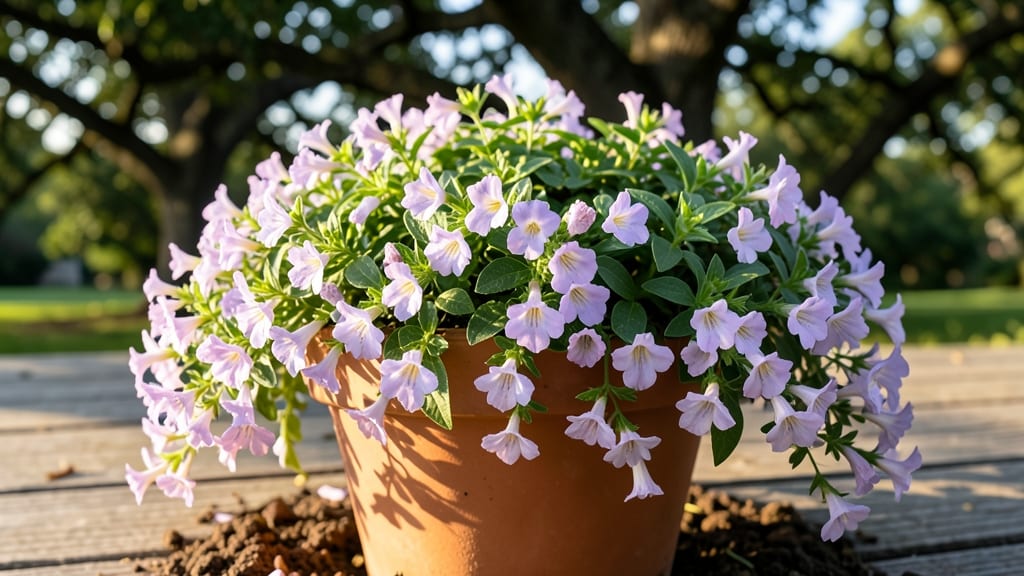
How to grow Million Bells in just 3 months—turning patios into lush green waterfalls. 🌿 Million Bells (Calibrachoa) transform patios into lush green waterfalls, but most beginners struggle with slow growth or leggy plants. I’ve grown these for years—here’s how to skip the frustration and get vibrant, bushy plants ready for summer containers. The secret starts with bright light (6+ hours daily) and well-draining soil—no soggy roots allowed. Seedlings need warmth (70-75°F) and gentle watering (topsoil dry between waterings). Transplants? Snip off the bottom leaves before planting to encourage root growth. Within 4-6 weeks, you’ll see those signature bell-shaped blooms forming. By mid-summer, your Million Bells will spill over pots in 3-foot cascades, blooming nonstop from spring to frost. The key? Regular deadheading (pinch spent flowers) and light fertilizing every 2 weeks. No more sad, sparse plants—just bursting, fragrant trails that neighbors will envy. Works for hanging baskets, window boxes, or ground covers—just adjust pruning to control spread. Here’s the exact routine that’s given me thriving plants every season. Let’s get those starters growing!
📚 In This Guide
- What you need
- Instructions
- Tips and common mistakes
- Wrapping up and next steps
What you need
- ● Million Bells Seeds: 3–5 high-quality seeds (look for Capsicum annuum varieties labeled for large size).
- ● Growing Containers: 1–2 5-gallon fabric pots or large plastic pots (18"+ diameter) with drainage holes.
- ○ Optional: A self-watering planter to maintain moisture.
- ● High-Quality Potting Mix: 1 bag of lightweight, well-draining mix (e.g., 50/50 blend of coco coir and perlite or a pepper-specific mix).
- ● Fertilizer: Balanced liquid fertilizer (10-10-10) for seedlings.
- ● High-phosphorus fertilizer (5-10-10) once flowering begins.
- ● Grow Lights or Sunny Spot: 14–16 hour LED grow light (if indoors) or a south-facing window (if outdoors).
- ○ Heat Mat (optional): For germinating seeds faster (70–80°F range).
- ● Watering Can or Spray Bottle: With a fine mist nozzle for gentle watering.
- ● Pruning Shears: Small, sharp shears for trimming and shaping.
- ● Support System: Cage or stake (3–4 ft tall) to support the plant as it grows.
- ○ Trellis (optional): For larger plants to maximize space.
- ● pH Test Kit: To monitor soil pH (ideal range: 6.0–6.8).
- ○ Mulch (optional): Straw or shredded leaves to retain moisture.
- ● Warmth: Million Bells thrive in 70–85°F temperatures. Use a greenhouse or indoor setup if your climate is cool.
- ● Patience: These peppers take 80–120 days to mature—plan ahead!
- ● Space: Mature plants can reach 3–4 ft tall and wide—ensure your growing area can accommodate them.
- ● Consistency: Regular watering, feeding, and pruning are key to giant growth!
Step-by-step instructions for growing Million Bells from seed
Here's how I grow sturdy, forest-ready Million Bells plants in just three months—ready for full sun and shade tolerance.
🌱 Step 1: Start Seeds Indoors for Early Growth
Plant seeds in 2-3 inch deep biodegradable pots filled with sterile seed-starting mix. Million Bells germinate best at 70-75°F, so I use a seedling heat mat to speed things up. Press seeds just ¼ inch deep—any deeper and they’ll struggle to break through the soil.
Cover the pots with clear plastic wrap to retain moisture and warmth. Check daily for condensation—once you see tiny sprouts in 7-14 days, remove the wrap immediately to prevent damping-off. The first true leaves (not the initial seed leaves) signal it’s time to adjust light.
☀️ Step 2: Provide Optimal Light for Strong Stems
Million Bells need 14-16 hours of bright light daily to avoid leggy growth. I use a full-spectrum LED grow light 2-4 inches above the seedlings, raising it as they grow. Without enough light, stems stretch thin and collapse easily when transplanted.
Rotate pots a quarter turn every few days so plants grow straight. You’ll notice strong seedlings have deep green leaves and thick stems—these are the ones that thrive outdoors. If leaves turn pale, your light isn’t intense enough.
🪴 Step 3: Harden Off Before Transplanting Outdoors
Two weeks before your last frost date, start hardening off seedlings by placing them outside in a sheltered spot for 1-2 hours the first day. Gradually increase exposure over 10-14 days, ending with full sun. Million Bells tolerate shade but need 6+ hours of sunlight daily for best blooms.
Transplant on a cloudy afternoon to reduce shock. Space plants 12-18 inches apart in well-draining soil. Water deeply at the base—avoid wetting leaves to prevent fungal issues. Mulch with 2-3 inches of organic mulch to retain moisture.
💧 Step 4: Maintain Moisture and Fertility for Blooms
Water when the top inch of soil feels dry, keeping soil consistently moist but never soggy. Million Bells thrive in moderate fertility, so I apply a balanced 10-10-10 fertilizer every 4-6 weeks during the growing season. Too much nitrogen leads to lush foliage but fewer flowers.
Deadhead spent blooms to encourage continuous flowering. You’ll see new buds forming within 2-3 weeks of pruning. In fall, cut back stems by half their height to promote bushier growth next season.
Tips & tricks for perfect Million Bells growth
Here's what nobody tells you about growing Million Bells that'll make all the difference in your garden's success.
Germination Temperature: That 70-75°F range for germination is non-negotiable—any cooler and your seeds will take weeks to sprout. I've seen germination times stretch to 21 days when seeds were kept at 60°F instead of using the heat mat. The key is maintaining consistent warmth, especially in cooler climates. Consider using a seedling heating pad if your home tends to be chilly.
Lighting Strategy: For those critical 14-16 hours of light daily, I recommend setting a timer for your grow lights—burnout is real, and seedlings can get leggy if they're stretched toward the light source. Position your lights 2-4 inches above the seedlings and adjust as they grow, but never let them touch the leaves. A simple trick: if your seedlings start leaning toward the light, rotate your setup 90 degrees daily to encourage even growth.
Harden Off Gradually: The 10-14 day hardening off period is your best defense against transplant shock. I start with just 1-2 hours of exposure on day one, then increase by 1 hour each subsequent day. Watch for wilting—this is a sign you're moving too fast. A pro tip: harden off in the morning when temperatures are cooler, giving your seedlings a chance to acclimate before the heat of the day.
Pro Tips for Grow Million Bells
- Here's what nobody tells you about growing Million Bells that'll make all the difference in your garden's success.
- Germination Temperature: That 70-75°F range for germination is non-negotiable—any cooler and your seeds will take weeks to sprout.
- Lighting Strategy: For those critical 14-16 hours of light daily, I recommend setting a timer for your grow lights—burnout is real, and seedlings can get leggy if they're stretched toward the light source.
Frequently asked questions
Got questions about growing Million Bells peppers? You’re not alone—this giant variety is a game-changer, but it comes with unique challenges. Below, we’ve answered the most common questions to help you avoid pitfalls and maximize your harvest!
How long does it take for Million Bells peppers to mature?
Million Bells typically take 90–120 days from transplant to harvest, depending on your climate and growing conditions. Start seeds indoors 8–10 weeks before your last frost date to ensure they’re ready for the garden by late spring. In warmer regions, you might see fruits earlier!
Can Million Bells survive frost or cold weather?
Nope—these peppers are tropical heat-lovers! They thrive in temperatures between 75–90°F (24–32°C). If frost is in the forecast, bring pots indoors or cover plants with frost cloth. Young plants are especially vulnerable, so wait until soil is at least 60°F (15°C) before transplanting.
What’s the difference between Million Bells and other giant peppers?
Million Bells are hybrid monsters—they can grow up to 20+ inches long and weigh 1–2 lbs each! Unlike smaller bell peppers, they’re not sweet but have a mild, slightly tangy flavor. They’re also less prone to cracking than some heirloom giants, making them great for beginners.
Do Million Bells need special soil or fertilizer?
Yes! These peppers are heavy feeders. Use a well-draining, nutrient-rich potting mix (like 60% peat, 20% perlite, 20% compost). Feed with a balanced fertilizer (10-10-10) every 2–3 weeks once flowers appear. Calcium-rich amendments (like crushed eggshells) also prevent blossom-end rot.
What pests or diseases should I watch for?
Common threats include aphids, spider mites, and whiteflies (spray with neem oil). Blossom-end rot (from calcium deficiency) and powdery mildew (in humid climates) are also risks. Prune for airflow, avoid overhead watering, and rotate crops yearly to keep plants healthy.
Can I grow Million Bells in containers?
These peppers love containers—just use a 5-gallon pot or larger (minimum 18" deep). Ensure it has drainage holes and place in full sun (6+ hours/day). Dwarf varieties may fit in smaller pots, but giants need space to sprawl. Self-watering pots help prevent root rot.
Why aren’t my Million Bells fruiting?
Lack of fruit? Check these fixes:
- Not enough sun? Move to a sunnier spot.
- Temperature too low? Keep soil above 70°F (21°C).
- Over-fertilized with nitrogen? Switch to a phosphorus-heavy fertilizer (like 5-10-10).
- Stress from pests/disease? Treat immediately.
Wrapping up and next steps
Growing a million-bell pepper from a tiny starter is totally within reach—just follow the right steps, stay patient, and let nature do the magic! 🌱 With the right soil, sunlight, and care, you’ll be harvesting giant, forest-ready peppers in just 3 months.
Now that you’re armed with knowledge, it’s time to roll up your sleeves and get planting!
💡 Next step: Mark your calendar, grab your supplies, and start your seeds today—your future harvest is waiting! Ready to begin?