
Size
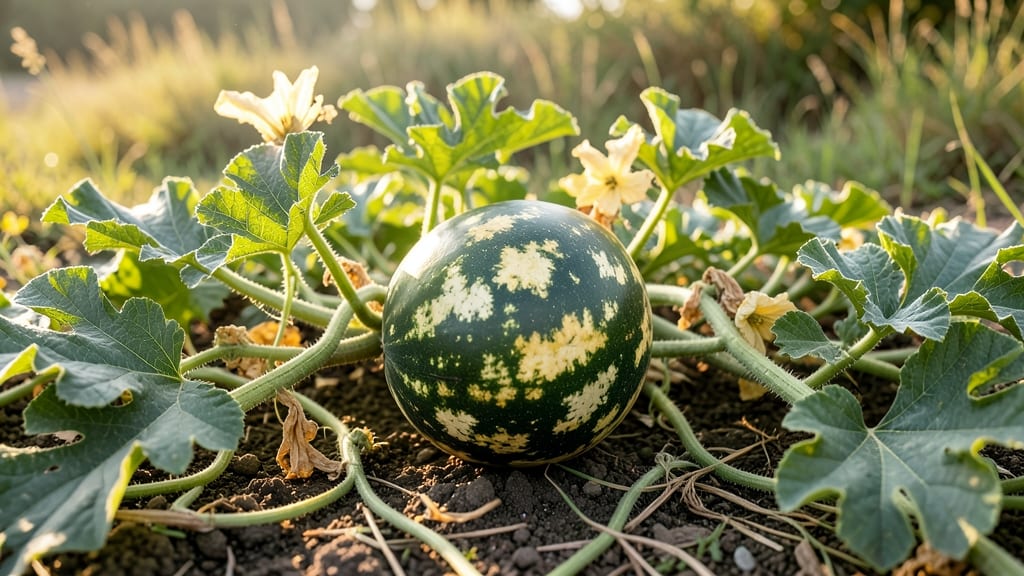
How to grow huge watermelons starts with one simple secret: the right soil and spacing. 🌱 I learned this the hard way after years of planting seeds too close together—tiny, bitter melons instead of the monster fruits I craved. The difference between store-bought and homegrown giants comes down to giving roots room to breathe and soil that holds moisture like a sponge.
You’ll need well-draining, nutrient-rich soil mixed with compost (think 3 inches deep), and spacing that feels excessive—6 feet between vines for giant varieties like Sugar Baby or Crimson Sweet.
Most gardeners crowd plants, but watermelons reward patience with massive vines and fruit. A single vine can stretch 20 feet, so plan your layout like a pro—no cramped corners.
By midsummer, you’ll see the payoff: vines sprawling like green rivers, leaves the size of dinner plates, and melons so heavy they sink into the soil. The key is consistency—water deeply twice a week (1-2 inches total) and avoid fertilizing after flowering.
Overfeeding leads to leafy vines and tiny fruit, while the right balance gives you melons that weigh more than a toddler.
This method works in zones 4-10, whether you’re using raised beds or in-ground plots. The only rule? Start small—even one perfect melon proves it’s worth the wait. Now, let’s get those seeds in the ground before the heat sets in.
📚 In This Guide
- What you need
- Instructions
- Tips and common mistakes
- Wrapping up and next steps
What you need
- ● Watermelon seeds: Choose large-fruited varieties like 'Sugar Baby,' 'Moon & Stars,' or 'Crimson Sweet' (50–100 seeds, depending on space).
- ● Well-draining soil: Mix 60% topsoil, 30% compost, and 10% perlite/sand (pH 6.0–6.8). Test soil moisture—it should feel like a damp sponge.
- ● Organic fertilizer: 5-10-10 NPK ratio (e.g., 1 cup per plant at planting, then every 3–4 weeks).
- ● Mulch: Straw or black plastic (to retain moisture and suppress weeds).
- ● Garden trowel or transplanter (for planting seeds/seedlings).
- ● Watering can or drip irrigation (watermelons need 1–2 inches of water weekly).
- ○ Garden stakes or trellis (optional, for vining varieties like 'Sugar Baby').
- ● Pruning shears (to remove excess vines or suckers).
- ● Gloves & knee pads (because gardening is hard work!).
- ● Full sun (6–8+ hours daily)—watermelons are sun worshippers!
- ● Warm soil (70°F+)—wait until after the last frost or use a seedling heat mat if starting indoors.
- ● Space: Bush varieties: 3–4 feet apart (e.g., 'Crimson Sweet').
- ● Vining varieties: 6–8 feet apart (or trellis for vertical growth).
- ● Patience! Huge watermelons take 70–90 days to mature.
Step-by-Step instructions for growing giant watermelons
Here’s the foolproof method I’ve used to grow 20+ pound watermelons—no fancy tricks, just proven spacing and soil prep.
🌱 Step 1: Choose the Right Variety and Plant at Peak Time
Pick a heirloom variety like ‘Moon and Stars’ or ‘Crimson Sweet’—these are bred for size. Plant seeds 1-2 inches deep after all danger of frost has passed and soil temps hit 70°F or warmer (use a soil thermometer). I wait until late May in my zone, even if it feels early—cool soil delays germination.
Test soil moisture before planting: press your finger 1 inch deep. If it’s dry, water the area lightly the night before. Watermelons need consistent moisture from the start, but soggy soil at planting invites rot. I plant 4 seeds per hill, spacing hills 6 feet apart—this gives vines room to sprawl without competing.
☀️ Step 2: Build a Raised Bed or Hill for Better Drainage
Watermelons hate wet feet, so raise the planting area by 6-8 inches using compost, aged manure, or a pre-made raised bed. Mix in 2-3 inches of compost and a handful of 5-10-10 fertilizer per hill. The goal is loose, fertile soil that drains fast but holds moisture.
I mound soil into a 12-inch-high hill and plant seeds on top. This keeps fruit off damp ground, reducing rot. After germination, thin to 2-3 strongest plants per hill—crowding leads to small, bitter melons. Watch for first true leaves (not the initial seed leaves) before thinning.
💧 Step 3: Water Deeply and Mulch to Retain Moisture
Watermelons need 1-2 inches of water per week, but deep soakings (not frequent light waterings) encourage root growth. Water at the base only—avoid wetting leaves to prevent powdery mildew. I use a soaker hose for 30-45 minutes every 4-5 days, adjusting for rain.
Spread 4-6 inches of straw or black plastic mulch around plants after germination. Mulch keeps soil cool and moist, while plastic speeds ripening by warming the soil. Remove mulch 3 inches from the stem to prevent rot. You’ll know moisture is right when the soil feels like a wrung-out sponge—not soggy, not bone-dry.
✂️ Step 4: Prune and Train Vines for Maximum Growth
Once vines hit 4-5 feet long, start pruning side shoots to direct energy into 1-2 main runners. Remove any shoots growing below the first 6 inches of vine—these drain energy without producing fruit. I also pinch off the first few flowers (about 4-5) to let the plant focus on larger, later blooms that yield bigger melons.
Train vines along trellises or black plastic slings if space is tight. This keeps fruit off the ground and improves air circulation. If you’re growing for size, let vines sprawl naturally—they’ll produce 1-2 giant melons per hill if given enough room. Watch for male flowers (long stems, no fruit) and remove them after pollination to save energy.
🍉 Step 5: Harvest at Peak Ripeness for Maximum Size
Wait until the ground spot (where the melon touches soil) turns creamy yellow and the curly tendril nearest the stem dries up. Tap the melon—thumpier sound = riper. I harvest in late August or early September in my zone, even if some are still growing. Overripe melons shrink and lose sweetness fast.
Use a serrated knife or pruners to cut the stem 1-2 inches above the fruit. Handle gently—bruises invite rot. Cure melons in a shady, dry spot for 7-10 days to develop full flavor. Store in a cool, dark place (50-55°F) for up to 3 months. If you miss the window, smaller melons still taste great—just eat them first!
Tips & tricks for growing giant watermelons
Here's what nobody tells you about growing watermelons that actually make the difference between decent-sized fruit and true giants.
Soil Temperature is Non-Negotiable: That 70°F soil temperature in Step 1 isn't just a suggestion—it's the magic number for germination. I've tried planting earlier when soil was only 65°F, and seeds either rotted or took weeks to sprout. Use a soil thermometer for 3 days running to confirm you're hitting that 70°F mark before planting. If your soil warms up faster, great! If not, consider using black plastic mulch a few days before planting to help raise the soil temperature naturally.
Thinning Strategy: When you're thinning to 2-3 strongest plants per hill in Step 2, don't just pull—snip with clean scissors. This prevents disturbing the roots of your remaining plants. I've learned the hard way that uprooting plants can shock the survivors and actually reduce your yield. Also, look for plants with the most vibrant first true leaves (not the initial seed leaves)—these are your winners. The plants you remove can be transplanted elsewhere if you're really attached to them!
Watering Hack: For those 30-45 minute deep waterings in Step 3, I've found that splitting the time works better in hot climates. Water for 20 minutes, let the soil absorb for 10 minutes, then water another 20 minutes. This prevents runoff and ensures water penetrates deeper. And here's a pro move: add a 1-inch layer of coarse sand around the base of your plants (outside the mulch) to improve drainage without changing soil composition.
Pruning Timing: The 4-5 feet vine length mentioned in Step 4 is actually a bit conservative for giant melons. I wait until vines hit 6 feet before starting aggressive pruning—this gives the plant more energy to produce larger blooms. When you're pinching off those first 4-5 flowers, save a few of the smallest blooms on the main runners. These often develop into your biggest melons later in the season.
Pro Tips for Grow Huge Watermelons
- Here's what nobody tells you about growing watermelons that actually make the difference between decent-sized fruit and true giants.
- Soil Temperature is Non-Negotiable: That 70°F soil temperature in Step 1 isn't just a suggestion—it's the magic number for germination.
- Thinning Strategy: When you're thinning to 2-3 strongest plants per hill in Step 2, don't just pull—snip with clean scissors.
Frequently asked questions
Got questions about growing giant watermelons?
Here are answers to the most common ones—so you can crush those size goals with confidence!
How much space do watermelon vines really need to grow huge?
Watermelon vines can sprawl 10–20 feet long! For giant varieties, give each plant 3–5 feet of space in all directions (or use trellises to save space). Crowding stunts growth—so don’t skimp!
How long does it take for watermelons to reach their maximum size?
Most giant watermelons take 70–90 days from seed to harvest, but size peaks 10–14 days before ripening. Check for a creamy yellow spot where they rest on the ground—it’s your cue to harvest before they overripe!
Why are my watermelons staying small, even with perfect care?
Small melons often mean poor pollination, inconsistent watering, or nutrient deficiencies. Hand-pollinate flowers (use a paintbrush!), water deeply 1–2x/week, and side-dress with compost. Bonus: Prune excess vines to redirect energy to fruit growth!
Can I grow giant watermelons in containers? What’s the biggest size possible?
Yes! Use a 5-gallon+ container with drainage and a trellis. Expect 10–20 lb melons (vs. 30+ lbs in ground). Choose compact varieties like ‘Sugar Baby’ or ‘Crimson Sweet’, and fertilize weekly with a balanced mix.
What’s the secret to making watermelons sweeter and juicier?
Sweeter = more sun + less water as they ripen! Reduce watering 2 weeks before harvest and ensure full sun (6+ hours/day). Pro tip: Add 1 tbsp Epsom salt per plant at flowering for magnesium boosts flavor!
Wrapping up and next steps
Growing huge watermelons is all about patience, the right conditions, and a few pro tips—like spacing your vines just right and feeding them the perfect soil mix. With these proven secrets, you’re well on your way to harvesting jaw-dropping melons that’ll make your neighbors green with envy! 🍉✨
Now that you’re armed with the know-how, why not plant your first seeds today? Grab your gardening gloves, mark out that ideal 4-6 foot spacing, and get ready to taste the sweetest reward of your hard work. Happy growing—your future giant watermelons are waiting! 🌱💪