
Landscaping
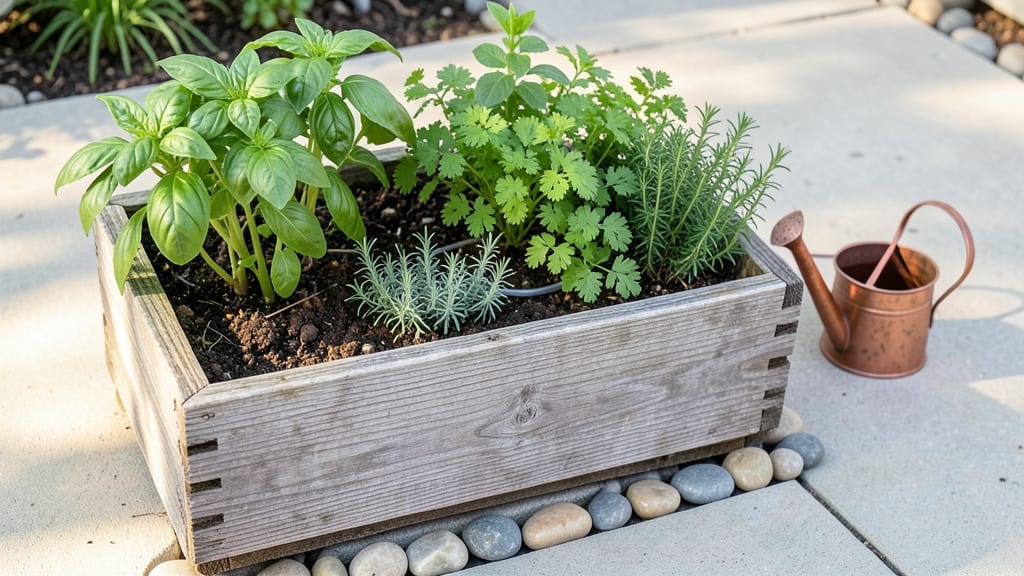
How to grow herbs in planter boxes changed how I cook—and how much I save. 🌿 That first harvest of snippable basil for pesto, right outside my kitchen door, made me realize how easy fresh herbs can be, even in tight spaces. The key is matching the right herbs to your sunlight, soil, and watering rhythm.
You’ll need 4-6 inch deep planter boxes (deeper for rosemary and thyme), well-draining soil, and containers with drainage holes—no fancy setups, just smart choices. Basil thrives in full sun and needs frequent watering, while parsley tolerates partial shade and drier soil.
Mint? It’s the aggressor—give it its own pot or expect it to take over.
By mid-summer, you’ll be harvesting enough for meals every week without buying wilting bundles at the store. The scent of crushed basil leaves alone makes the effort worth it. Plus, the compact setup keeps weeds and pests at bay while maximizing flavor in minimal space.
This works for balconies, patios, or even sunny windowsills—no yard required. The only real mistake? Waiting until spring to start. Herbs grow fast, and you’ll wonder why you didn’t begin sooner. Let’s get those boxes planted!
📚 In This Guide
- What you need
- Instructions
- Tips and common mistakes
- Wrapping up and next steps
What you need
- ● Planter box(es): 1–2 boxes (12"–18" deep, 10"–12" wide, and 6"–12" long). Wooden, fabric, or plastic work—just ensure they have drainage holes!
- ● High-quality potting soil: 1–2 bags (sterile, well-draining mix with perlite or compost). Avoid garden soil—it compacts and drains poorly.
- ● Herb seeds or seedlings: Choose fast-growing varieties like basil, parsley, cilantro, or mint. Start with 3–6 plants per box for a balanced harvest.
- ● Drainage material: Small gravel, pebbles, or broken pottery (1–2 inches) to prevent root rot.
- ● Watering can or spray bottle: A gentle spray helps avoid disturbing seedlings.
- ● Fertilizer: Organic options like fish emulsion (diluted) or a balanced 10-10-10 fertilizer (use sparingly!).
- ● Self-watering reservoir: Adds a wicking mat or tray to keep soil moist.
- ● Herb labels: Wooden sticks or plant markers to track varieties.
- ● Grow lights: LED clips (if placing indoors near a window).
- ● Mulch or compost: Top-dress with shredded leaves or compost to retain moisture.
- ● Herb companion plant guide: Some herbs (like basil and oregano) thrive together, while others (mint!) need solo boxes.
Step-by-Step instructions for growing herbs in planter boxes
Here’s how to create a thriving, compact herb garden that brings fresh flavors right to your kitchen doorstep.
🪴 Step 1: Choose and Prepare Your Planter Box
Start with a 12-18 inch deep planter box—herbs like basil and rosemary need room to grow strong roots. If your box has no drainage holes, drill ¼-inch holes along the bottom and sides to prevent soggy soil. Line the bottom with landscape fabric to keep soil in place while allowing excess water to escape.
Fill the box with well-draining potting mix (never garden soil—it compacts too easily). I like to mix 60% potting mix with 30% perlite and 10% compost for extra nutrients. Moisten the mix until it’s damp but not dripping—like a wrung-out sponge. Tap the box gently to settle the soil evenly.
🌱 Step 2: Plant Herbs with Proper Spacing
Herbs need room to breathe, so space them based on their mature size. Basil, parsley, and chives can share a 6-inch pot or be planted 4-6 inches apart in a larger box. Rosemary, thyme, and oregano prefer 8-12 inches between plants—they spread wider and need more space to avoid competition.
Dig holes just deep enough to cover the roots of young plants or twice the seed diameter for seeds. Gently press soil around the roots to secure them, then water lightly to help settle everything. Avoid overwatering now—herbs hate wet feet early on.
☀️ Step 3: Position for Sunlight and Water Wisely
Most herbs crave 6+ hours of direct sunlight daily, so place your planter box near a south- or west-facing window or on a sunny patio. If you’re using a grow light, position it 6-12 inches above the plants and keep it on for 12-14 hours a day. Watch for leggy growth—this means your herbs need more light.
Water when the top inch of soil feels dry to the touch. Stick your finger in the soil; if it’s dry past your first knuckle, it’s time to water. Morning is best—it gives plants time to drink up before evening humidity sets in. Avoid wetting the leaves to prevent fungal diseases like powdery mildew.
✂️ Step 4: Prune and Harvest for Continuous Growth
Regular pruning keeps herbs bushy and encourages new growth. Pinch off the top set of leaves when plants are 6 inches tall to promote branching. For basil, snip leaves just above a pair of leaves to stimulate more stems. Harvest early in the morning when oils are most concentrated—this is when flavors peak.
Don’t harvest more than ⅓ of the plant at once, or you’ll stress it. If you see yellowing leaves, it’s often a sign of overwatering or too much shade. Trim those off to redirect energy to healthy growth. With consistent care, your herbs will stay productive for months.
🌿 Step 5: Maintain Soil and Fertilize Lightly
Every 4-6 weeks, top-dress the soil with ½ inch of compost to replenish nutrients. Herbs don’t need heavy feeding—too much fertilizer leads to leafy growth at the expense of flavor. A balanced, water-soluble fertilizer (like 10-10-10) diluted to half-strength works well, applied once a month in growing season.
In winter, reduce watering and move tender herbs (like basil) indoors near a sunny window. Hardy herbs (rosemary, thyme) can stay outside with 50% less water. Mulch the soil surface with ¼ inch of straw to retain moisture and regulate temperature—this keeps roots happy year-round.
Tips & tricks for growing herbs in planter boxes
Here's what I learned after years of trial and error with my own herb garden—these tricks will help you avoid common pitfalls and grow herbs that taste even better than store-bought.
Soil Mix Matters: The 60-30-10 ratio of potting mix, perlite, and compost in Step 1 is perfect for herbs, but don't skip the perlite! It prevents compaction and ensures those roots get the air they need. I've found that adding a handful of worm castings to the mix gives herbs an extra flavor boost without overfeeding them. For tender herbs like basil, you can even mix in a little sand (about 10%) to improve drainage further.
Lighting Secrets: When you're positioning your planter box for that crucial 6+ hours of sunlight in Step 3, pay attention to seasonal changes. In winter, you might need to move your box closer to the window—herbs need consistent light year-round. If you're using grow lights, LED bulbs with a full spectrum (red and blue wavelengths) work best for herb growth. I keep mine on a timer for exactly 12-14 hours daily, which mimics natural daylight cycles perfectly.
Pruning for Flavor: The 6-inch height guideline in Step 4 is where the magic happens for flavor concentration. When you pinch those top leaves, you're actually stimulating the plant to produce more essential oils—the compounds that give herbs their distinctive taste. For basil specifically, I've found that harvesting just above a pair of leaves (not a set) encourages even bushier growth. And here's a pro tip: Save your basil stems in a glass of water on the counter—they'll regrow roots and give you fresh leaves for days!
Winter Care: That 50% reduction in watering for hardy herbs in winter is crucial, but don't forget about humidity. In dry indoor environments, I place a tray of water near my herb boxes to increase moisture levels. For tender herbs like basil that need to move indoors, I give them a good rinse before bringing them inside to remove any dust or pests that might hitch a ride from outside.
Pro Tips for Grow Herbs In Planter Boxes
- Here's what I learned after years of trial and error with my own herb garden—these tricks will help you avoid common pitfalls and grow herbs that taste even better than store-bought.
- Soil Mix Matters: The 60-30-10 ratio of potting mix, perlite, and compost in Step 1 is perfect for herbs, but don't skip the perlite!
- Lighting Secrets: When you're positioning your planter box for that crucial 6+ hours of sunlight in Step 3, pay attention to seasonal changes.
Frequently asked questions
Got questions about growing herbs in planter boxes? You’re not alone! Here are some of the most common concerns—and their solutions—to help you cultivate a thriving mini-garden with confidence.
What’s the best time of year to start growing herbs in planter boxes?
For most herbs, spring (after the last frost) is ideal, but many—like basil, parsley, and cilantro—can also thrive in fall. If you live in a warm climate, you can grow herbs year-round! Just ensure your planter boxes have good drainage and protect tender plants from extreme heat or cold with shade cloth or row covers.
How often should I water herbs in planter boxes?
Herbs in containers dry out faster than in-ground plants. Water when the top inch of soil feels dry, usually every 1–2 days in hot weather. Morning watering is best to prevent fungal issues. Overwatering is a common mistake—always check for soggy soil before adding more water. A moisture meter or your finger can help!
Can I grow all herbs together in one planter box?
Not all herbs play well together! Group herbs with similar water and sunlight needs—like basil, oregano, and thyme (all Mediterranean herbs) in one box. Avoid mixing moisture-lovers (e.g., cilantro, parsley) with drought-tolerant ones (e.g., rosemary, sage). For variety, use separate small pots or tiered planters.
What should I do if my herbs get pests or diseases?
Prevention is key! Keep pests at bay with neem oil spray or companion planting (e.g., marigolds repel aphids). For fungal issues like powdery mildew, improve airflow and avoid overhead watering. If pests strike, handpick larger bugs or use insecticidal soap. Most herb problems stem from overwatering or poor drainage—fix those first!
Do I need a sunny spot for herbs in planter boxes?
Most herbs need at least 6 hours of sunlight daily, but some (like mint or parsley) tolerate partial shade. If your space is shady, choose shade-tolerant herbs or supplement with a grow light. South- or west-facing windowsills or balconies are perfect for maximizing light exposure.
Wrapping up and next steps
Growing herbs in planter boxes is a rewarding way to bring fresh, vibrant flavors to your kitchen while enjoying the satisfaction of nurturing your own plants. With the right containers, soil, sunlight, and care, you’ll have a thriving mini garden in no time—no green thumb required!
Start small, experiment with your favorite herbs, and soon, you’ll be harvesting crisp basil, zesty cilantro, and fragrant mint for all your meals. Now’s the perfect time to grab those boxes and get growing! 🌱✨
Next Steps:
- Pick 1-2 herbs to start with (basil or mint are beginner-friendly!).
- Check your sunlight and space—even a sunny windowsill works!
- Grab supplies (soil, pots, seeds) and plant this weekend!