
Size
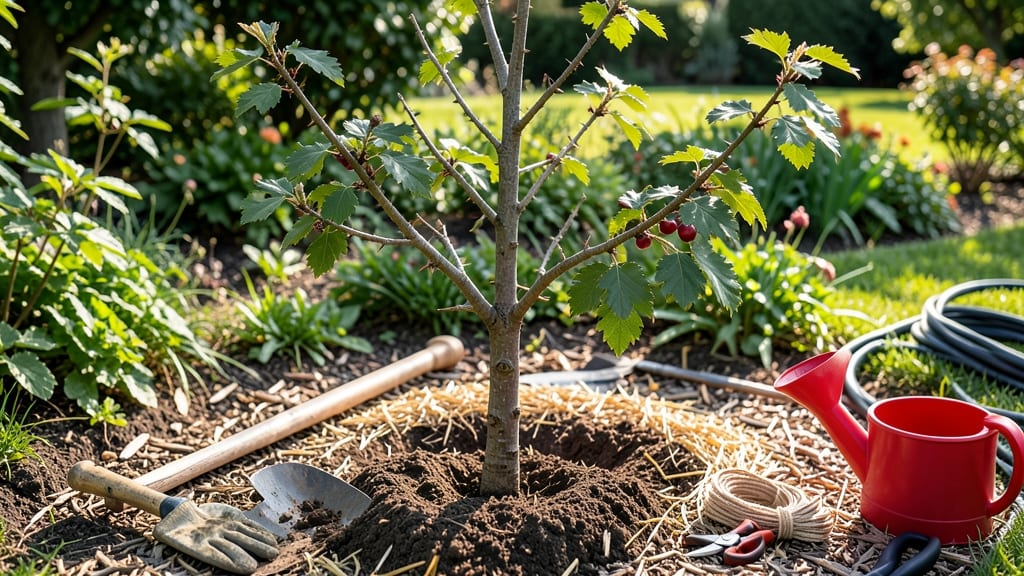
How to grow a hawthorn tree—start with a thorny powerhouse that outsmarts weeds, drought, and nosy neighbors. Hawthorn trees thrive where others fail—drought-tolerant, pest-resistant, and packed with year-round privacy. My first one grew 12 feet in just five years with almost no care.
They love full sun but handle partial shade, and their deep roots mean less watering once established. Plant in well-draining soil—even rocky spots work—and space saplings 15-20 feet apart for a dense hedge. The thorns deter deer and prying eyes, while spring blooms feed pollinators.
By year three, you’ll have a lush, evergreen screen that stays green through winter. Prune lightly in late winter to shape it, and watch birds flock to its berries. No fussy fertilizing or constant pruning—just plant, water occasionally, and forget.
Perfect for urban lots, rural borders, or even large containers. Hawthorn’s rugged nature makes it the ultimate low-maintenance privacy solution. Let’s get yours growing!
📚 In This Guide
- What you need
- Instructions
- Tips and common mistakes
- Wrapping up and next steps
What you need
- ● Hawthorn tree: 1–3 Crataegus spp. (e.g., C. monogyna or C. laevigata) – Choose between: Bare-root saplings (1–3 ft tall, best for fall/winter planting)
- ● Container-grown plants (2–4 ft tall, year-round planting)
- ● Seeds (if propagating from scratch—requires stratification!)
- ● Planting site: Sunlight: Full sun (6+ hours/day) or partial shade (for drier climates)
- ● Soil: Well-draining, slightly acidic to neutral (pH 6.0–7.0)
- ● Space: 10–15 ft apart (for privacy screens) or 6–8 ft apart (for hedges)
- ● Digging tools: 1 shovel (round-point for digging, flat-head for edging)
- ● 1 garden fork (for breaking up compacted soil)
- ○ Amendments (optional but helpful): Compost (5–10 lbs, to enrich soil)
- ● Peat moss or pine bark (for improving drainage in clay soil)
- ● Slow-release fertilizer (10-10-10 or organic option, 1 lb per tree)
- ● Mulch: 2–3 inches of wood chips or straw (keeps roots moist and weed-free)
- ● Watering supplies: Garden hose with adjustable nozzle
- ● Watering can (for seedlings)
- ○ Support (optional): Stakes (2–3 ft tall, 2 per tree) + twine (for young saplings in windy areas)
- ● Check local regulations—some areas restrict hawthorn planting due to fireblight risks or invasive potential.
- ● Test soil pH (use a soil test kit) if your area has heavy clay or alkaline soil.
- ● Plan for patience—hawthorns grow 1–2 ft per year but thrive for decades!
Step-by-Step instructions for planting a hawthorn tree privacy screen
Here's the straightforward method I've used to establish dense, low-maintenance hedges that stay lush year-round.
Choose and Prepare the Planting Site
Hawthorn thrives in full sun to partial shade, so select a location that receives at least 6 hours of direct sunlight daily. These trees tolerate a wide range of soil types but perform best in well-draining soil with a pH between 6.0 and 7.5. If your soil is heavy clay, amend it with 2-3 inches of compost mixed into the top 12 inches of soil before planting.
For a 4-tree privacy screen, space each tree 8-10 feet apart in a straight line. Mark planting spots with stakes to ensure proper spacing. Hawthorn roots spread aggressively, so avoid planting near sidewalks, driveways, or foundations where roots could cause damage. Dig holes twice as wide as the root ball but only as deep as the container the tree is currently in.
Plant the Hawthorn Trees Correctly
Remove each tree from its container and gently loosen the roots if they appear tightly bound. Place the tree in the hole so the top of the root ball sits level with the surrounding soil. Hawthorn trees are shallow-rooted, so planting too deeply can suffocate the roots and lead to poor establishment.
Backfill the hole with native soil, tamping down lightly every 3-4 inches to eliminate air pockets. Water deeply to settle the soil around the roots, then create a 2-inch deep watering basin around the base of each tree. This helps direct water straight to the roots rather than running off. Mulch with 2-3 inches of organic mulch, keeping it 6 inches away from the trunk to prevent rot.
Water and Fertilize for Strong Establishment
Water each tree deeply twice a week for the first month after planting, ensuring the soil remains consistently moist but not soggy. You'll know moisture is right when the top 2 inches of soil feel damp to the touch. After the first month, reduce watering to once a week unless rainfall provides adequate moisture. Hawthorn trees are drought-tolerant once established but need consistent watering during their first growing season.
Apply a balanced, slow-release fertilizer (10-10-10) at planting time, following the package instructions for application rates. Avoid high-nitrogen fertilizers, which encourage leafy growth at the expense of root development. In the second year, apply a low-phosphorus fertilizer (such as 5-10-10) in early spring to promote strong root and branch growth. You'll see new shoots emerging within 4-6 weeks of proper fertilization.
Prune and Maintain for a Dense Screen
Prune your hawthorn trees in early spring, just as new growth begins to appear. Remove any dead, diseased, or crossing branches first, then cut back any overgrowth to encourage a bushier shape. For a privacy screen, aim to shape the trees into a rounded, dense form by trimming the outer branches to half their length. Hawthorn responds well to pruning, so you can be bold with your cuts.
Thin out some of the inner branches to allow light and air to penetrate the center of the hedge. This prevents fungal diseases and encourages uniform growth throughout. Avoid heavy pruning in late summer or fall, as this can stimulate tender new growth that may not survive winter. You'll notice a noticeable denser canopy within 2-3 years of consistent pruning.
Monitor and Protect Young Trees
Keep an eye out for common pests like aphids, scale insects, or spider mites, which can stress young hawthorn trees. If you notice sticky residue on leaves or small webs, treat the trees with neem oil or insecticidal soap according to the product instructions. Hawthorn trees are generally pest-resistant, but young trees are more vulnerable.
Protect newly planted trees from deer and rabbits by installing wire mesh fencing around each tree until they are well-established. These animals often browse on young hawthorn shoots, which can stunt growth. Once the trees reach 3-4 feet in height, they become less appealing to wildlife. With proper care, your hawthorn privacy screen will provide year-round greenery and minimal maintenance once mature.
Tips & tricks for perfect hawthorn tree planting
These practical insights will help you establish a thriving, low-maintenance privacy screen that stays lush year after year.
Soil Preparation: Before planting, test your soil's pH using a simple test kit available at garden centers. Hawthorn thrives in the 6.0-7.5 range, and adjusting the pH now prevents potential nutrient deficiencies later. For clay-heavy soils, mix 2-3 inches of compost into the top 12 inches of soil to improve drainage and aeration—this is especially important in Step 1 where the instructions mention amending heavy clay.
Root Ball Handling: When removing hawthorn trees from their containers, gently tease apart any tightly bound roots with your fingers rather than forcing them. This prevents root circling, which can strangle the tree's growth. In Step 2, the instructions emphasize placing the root ball level with the soil—take extra care here, as even a slight angle can cause water to pool around the trunk and lead to rot.
Watering Strategy: The critical first month of watering twice weekly deserves special attention. Use a rain gauge or tuna can to measure exactly 1 inch of water per session—this ensures consistent moisture without overwatering. After the first month, reduce to weekly watering, but always check the top 2 inches of soil for dampness before watering again, as the instructions specify.
Pruning Technique: For shaping your hawthorn privacy screen, use sharp pruning shears to make clean cuts just above a leaf node or bud. When trimming outer branches to half their length as mentioned in Step 4, focus on creating a rounded shape that encourages dense growth. Avoid cutting into old wood, which won't regrow—always prune back to younger, green growth for best results.
Pro Tips for Grow Hawthorn Tree
- These practical insights will help you establish a thriving, low-maintenance privacy screen that stays lush year afte...
- Soil Preparation: Before planting, test your soil's pH using a simple test kit available at garden centers. Hawthorn ...
- Root Ball Handling: When removing hawthorn trees from their containers, gently tease apart any tightly bound roots wi...
Frequently asked questions
Got questions about growing a hawthorn tree? You’re not alone! Here are some of the most common concerns—plus quick answers to help you get started with confidence.
How long does it take for a hawthorn tree to grow into a privacy screen?
A hawthorn tree grows at a moderate rate of 1–2 feet per year. If you plant a 6-foot sapling, it may take 5–10 years to reach full privacy height (10–15 feet). For faster results, consider planting multiple trees in a row or choosing a faster-growing variety like Crataegus phaenopyrum.
Can I grow a hawthorn tree in a container or small yard?
Hawthorn trees thrive in the ground but can adapt to large containers (at least 24–36 inches in diameter) for small spaces. Just ensure the pot has drainage holes and use a well-draining soil mix. However, they may grow slower in containers and need regular pruning to control size. For tiny yards, consider dwarf varieties like Crataegus viridis.
Are hawthorn trees cold-hardy? What zones do they tolerate?
Yes! Hawthorn trees are highly cold-hardy and thrive in USDA Zones 3–8. They handle winter well, but young trees may need protection from harsh winds or heavy snow in Zone 3. Mulch the base in late fall to insulate roots. Once established, they’re tough as nails—even in northern climates.
Do hawthorn trees attract bees or pests? Should I be worried?
Hawthorn trees are pollinator-friendly and attract bees, butterflies, and birds—great for gardens! However, they’re not prone to severe pests like aphids or borers. Occasional spider mites or scale insects may appear, but a strong spray of water or neem oil usually clears them up. Their thorns also deter deer and rabbits.
Can I prune a hawthorn tree at any time of year?
The best time to prune is late winter or early spring (before new growth starts). Avoid heavy pruning in fall, as it can stimulate tender growth that may not survive winter. Light shaping can be done anytime, but wait until after flowering (spring) to avoid removing next year’s blooms. Use clean, sharp tools to prevent disease.
Pro Tip:
If your hawthorn isn’t thriving, check the soil pH—most prefer 6.0–7.5. A simple soil test kit can save you guesswork!
Wrapping up and next steps
Growing a hawthorn tree is a rewarding way to add beauty, wildlife support, and natural privacy to your space with minimal fuss! 🌿 Whether you’re starting from seeds, saplings, or cuttings,
Ready to take the next step? Pick your favorite variety (like Crataegus monogyna or Crataegus laevigata), grab your tools, and plant your hawthorn tree this season. Your future privacy screen—and local birds—will thank you! 🐦🌳