
Propagation
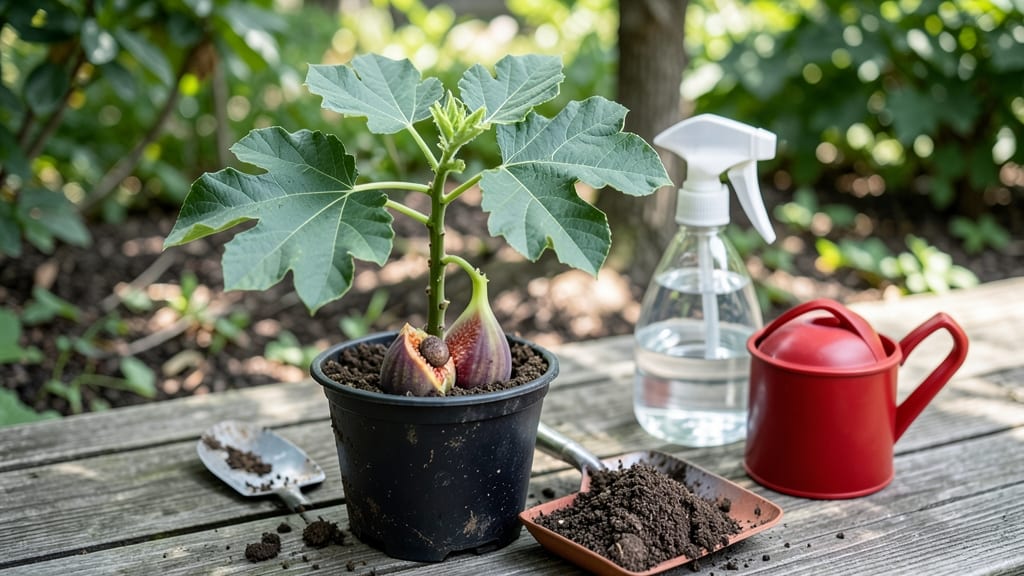
That ripe fig on your kitchen counter could grow into a tree. 🌱 I’ve rooted figs in water so fast they outpaced my patience—no fancy tools or greenhouses required. The secret? Picking the right fig, keeping it moist, and watching those roots race toward the glass.
You’ll need just three supplies: a sharp knife, clean water, and a jar big enough for your cutting. No soil, no stress—just fresh figs and a sunny windowsill. Roots appear in 2-4 weeks, and once they’re 2-3 inches long, you’re ready to plant. The payoff?
A thriving fig tree that produces fruit in 2-3 years—plus, you’ll impress neighbors with your propagation skills. Even if your first cutting fails (it happens), you’ll learn what works next time. This method works year-round, but spring and early summer give the fastest results. Let’s get those roots growing!
📚 In This Guide
- What you need
- Instructions
- Tips and common mistakes
- Wrapping up and next steps
What you need
- ● 1 ripe fig – Choose a fresh, organic fig (conventional ones may have wax or pesticides that inhibit rooting).
- ● 1 pair of clean scissors or pruning shears – Sterilize with rubbing alcohol to prevent bacterial contamination.
- ● 1 clear glass or jar – At least 8–12 oz (240–360 mL) capacity, wide enough for the fig’s stem.
- ● Room-temperature water – Use filtered or distilled water if possible (tap water with chlorine can slow rooting).
- ● 1 small rubber band or twist tie – To secure the fig’s stem in place.
- ● 1 sunny windowsill or grow light – A spot with indirect light (6+ hours/day). Avoid direct sun to prevent overheating.
- ● Patience (and a spray bottle!) – Roots take 4–8 weeks; mist leaves occasionally to maintain humidity.
- ○ Rooting hormone (gel or powder) – Speeds up root growth (optional but highly recommended for faster results).
- ● Small pebbles or marbles – Place at the bottom of the jar to stabilize the fig and prevent rot.
- ● Thermometer – Ideal water temp: 65–75°F (18–24°C) for optimal rooting.
- ● Notebook & pen – Track water changes, root progress, and growth milestones!
- ● Potting soil & 4–6" pot – For transplanting once roots are 2–3 inches long.
Step-by-step instructions for propagating a fig tree in water
Here's my foolproof method for turning a store-bought fig into a thriving tree—roots and all.
🌱 Step 1: Select and Prepare the Fig for Propagation
Choose a ripe fig with a thick, sturdy stem—the wider the stem, the faster it roots. Look for one with at least 3-4 inches of stem below the fruit. Use a sharp knife to cut the stem 1-2 inches below the fruit, making a clean diagonal cut. This prevents tearing and gives the stem a larger surface area for root growth.
Remove any leaves from the bottom 3 inches of the stem—these will rot in water. Place the cut stem in a glass of room-temperature water, making sure only the bottom 1 inch of the stem is submerged. Too much water drowns the stem; too little prevents root formation. I like to use a clear glass so I can watch the roots develop.
💧 Step 2: Change the Water and Monitor Root Growth
Change the water every 3-4 days to prevent bacterial growth and keep it fresh. Use a clean glass each time to avoid contamination. Place the glass in a spot with bright, indirect light—direct sun can overheat the water and stress the cutting. You'll see tiny white bumps along the submerged stem within 1-2 weeks—these are the first signs of root formation.
After 3-4 weeks, you should see 1-2 inch roots growing from the stem. If the roots aren’t growing, check the water temperature—it should stay between 65-75°F. If the water feels warm to the touch, move the glass to a cooler spot. Patience is key here; some figs root faster, others take up to 6-8 weeks.
🪴 Step 3: Prepare Soil and Plant the Rooted Cutting
Once roots reach 2-3 inches long, it’s time to plant. Fill a 6-inch pot with a well-draining mix of 50% potting soil and 50% perlite or sand. This prevents root rot and mimics the fig’s natural dry conditions. Water the soil lightly until it’s moist but not soggy—figs hate sitting in wet soil.
Dig a hole in the center of the pot, gently remove the cutting from the water, and place it in the hole. Cover the roots with soil, pressing lightly to secure the cutting. Water again until it drains from the bottom of the pot. Place the pot in a spot with full sun—figs love warmth and need at least 6-8 hours of direct sunlight daily.
☀️ Step 4: Care for Your New Fig Tree
Keep the soil evenly moist but never waterlogged. Stick your finger 1 inch into the soil—if it feels dry, water deeply. Overwatering is the #1 killer of young fig trees, so let the top 1-2 inches of soil dry out between waterings. Fertilize lightly with a balanced, water-soluble fertilizer every 4-6 weeks during the growing season (spring and summer).
In 6-8 weeks, you’ll see new leaves emerging—that’s your sign the tree is thriving. Once the fig tree is established (usually after 3-4 months), you can transplant it to a larger pot or the ground. Figs love heat and drought once mature, so don’t overwater after the first year.
Tips & tricks for growing a fig tree from a store-bought fig
Transforming a grocery store fig into a thriving tree is easier than you think—once you know these game-changing tricks. Here's how to avoid the most common pitfalls and boost your success rate.
Stem Selection: The secret to fast rooting starts with your fig selection. Look for stems that are at least 3/8-inch thick—thinner stems often struggle to develop strong roots. I always test by gently squeezing the stem: if it feels firm and doesn't bend easily, it's a good candidate. Avoid figs with soft, mushy stems or any signs of mold—they won't make it through propagation.
Cutting Technique: That clean diagonal cut in Step 1 isn't just about aesthetics—it's about maximizing surface area for root growth. Use a sharp knife to make the cut at a 45-degree angle, exposing more vascular tissue where roots will form. After cutting, immediately place the stem in water to prevent it from drying out. I've found that using a clean, sterilized knife (wiped with rubbing alcohol) reduces the risk of bacterial contamination during this critical first step.
Water Temperature and Light Balance: Maintaining water between 65-75°F is crucial, but don't overlook the light conditions. While bright indirect light is ideal, I've noticed that northern-facing windowsills actually work better than southern exposures during summer months—direct afternoon sun can heat the water too quickly. If you notice condensation forming on the outside of your glass, move it to a cooler spot immediately, as this indicates the water is getting too warm for optimal root development.
Root Development Timeline: The 3-4 week window mentioned for visible roots can feel like an eternity, but there are visual cues to track progress. After about 10-14 days, you'll see tiny white nubs forming along the submerged stem—these are the earliest root hairs. By week 3, these should grow into visible roots about 1/4-inch long. If you're not seeing progress by week 4, try changing to distilled water (tap water often contains chlorine and minerals that can inhibit root growth).
Pro Tips for Grow A Fig Tree From A Fig
- Transforming a grocery store fig into a thriving tree is easier than you think—once you know these game-changing tricks.
- Stem Selection: The secret to fast rooting starts with your fig selection.
- Cutting Technique: That clean diagonal cut in Step 1 isn't just about aesthetics—it's about maximizing surface area for root growth.
Frequently asked questions
Got questions about growing a fig tree from a single fig? You’re not alone—this propagation method is fun but can feel tricky at first! Below, we’ve rounded up the most common questions (and answers) to help you succeed.
How long does it take for a fig cutting to root in water?
Most fig cuttings will start showing roots in 2–4 weeks, but some varieties (like Brown Turkey) may take up to 6 weeks. Patience is key—keep the water fresh and the cutting in bright, indirect light. Once roots are 1–2 inches long, it’s safe to transplant to soil!
Can I use any fig from the grocery store for propagation?
Not all store-bought figs work well! Choose fresh, organic figs (conventional ones may have wax or treatments that inhibit rooting). Look for figs with a small stem or "heel"—this section connects to the fruit’s base and helps the cutting root faster. Avoid dried or overly ripe figs.
What if my fig cutting rots before rooting?
Rotting is usually caused by too much moisture or bacterial/fungal growth. To prevent it:
- Use filtered or distilled water (chlorine can harm cuttings).
- Change the water every 3–4 days.
- Keep the jar in bright, indirect light (no direct sun!).
- If mold appears, rinse the cutting with hydrogen peroxide (3%) and replant in fresh water.
Should I use rooting hormone for fig cuttings?
Rooting hormone isn’t required for figs—they root easily in water! However, if you’re struggling, a natural hormone (like willow water or cinnamon powder) can give a slight boost. Just dip the cut end for 1–2 seconds before placing it in water.
When is the best time of year to propagate figs?
The ideal window is late spring to early summer (May–June), when figs are plump and the tree is actively growing. You can try year-round in warm climates (Zones 8–11), but cooler months slow rooting. If propagating indoors, use a grow light to mimic summer conditions.
Pro Tip:
If your fig cutting leaves yellow but roots are growing, it’s normal! The plant is focusing energy on roots. Once transplanted, new leaves will sprout in 4–6 weeks.
Wrapping up and next steps
Growing a fig tree from a single fig is simpler than you think—and the rewards are sweet! 🌱 With just a little patience and the right care, you’ll watch roots sprout and a new plant take shape.
Whether you’re a gardening newbie or a seasoned green thumb, this method is your ticket to a thriving fig tree in no time.
Now that you’ve got the know-how, why not take the next step? Grab a fig from your grocery store or garden, and start your propagation journey today. Before you know it, you’ll be harvesting your own homegrown figs—and maybe even sharing them with neighbors!