
Lawn
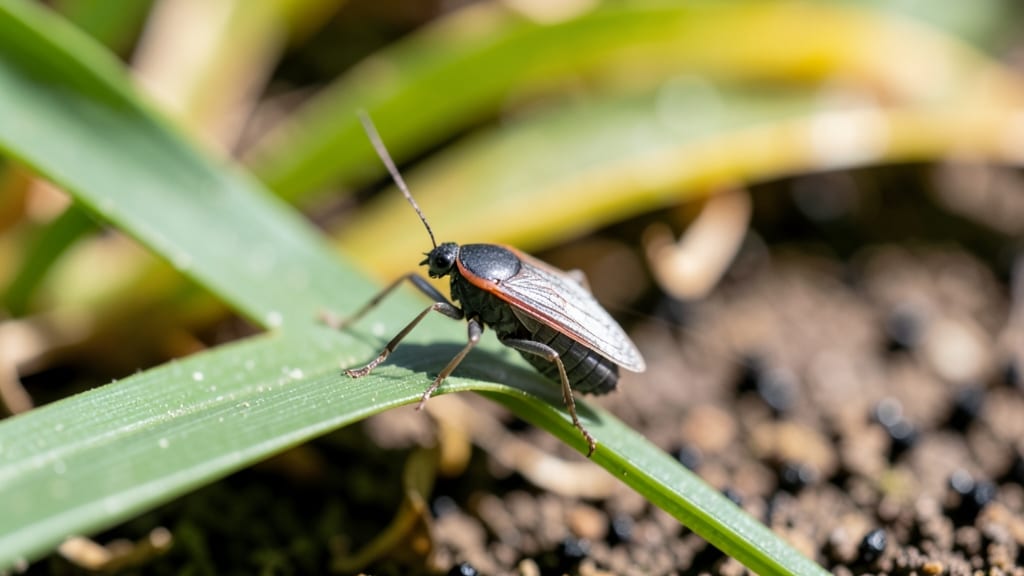
How to get rid of seed bugs—those silent destroyers of your garden’s potential—starts with a simple, chemical-free secret. 🌱 I’ve lost entire batches of seedlings to these tiny invaders—until I discovered the boiling water trick that wipes out nests in seconds without chemicals. The problem starts underground: thrips, maggots, and other seed pests chew through roots and seeds before they even sprout. Most store-bought sprays miss the hidden nests, but a simple boiling water barrier (just pour it around seedling trays) kills them instantly—no gloves, no masks, just results. You’ll see fresh, healthy sprouts within days, not weeks of struggling. The method works in containers, raised beds, or even seed storage areas where pests hide undetected. No more wasted seed packets or weak seedlings. Here’s how to do it safely and effectively—without harming your plants or the planet.
Root Causes Of Seed Bugs
Seed bugs—also known as chinch bugs (Blissus leucopterus leucopterus)—don’t just appear out of nowhere. These tiny, sap-sucking pests thrive in specific conditions that turn your lawn into their perfect buffet.
Understanding why they show up is the first step to stopping them before they destroy your grass. Here’s a breakdown of the key factors behind their infestations:
Chinch bugs love moisture—too much moisture. When lawns are overwatered or have poor drainage, the top layer of soil stays soggy, creating an ideal breeding ground for these pests. Here’s why:
- Weakened Grass Roots: Overwatering stresses grass, making it easier for chinch bugs to pierce stems and suck out nutrients. Weak grass = easier access to their favorite meal.
- Fungal Growth: Excess moisture encourages fungal diseases (like brown patch), which further weaken grass and attract chinch bugs.
- Slow Drying Soil: Bugs thrive in damp conditions. If your lawn takes days to dry after watering or rain, you’ve got a chinch bug magnet.
Actionable fix: Test your soil’s drainage and adjust watering schedules to 1 inch per week (including rain). Water deeply but infrequently to encourage deep root growth.
While chinch bugs adore moisture, they’re also drawn to lawns under severe heat stress. When grass wilts from drought or excessive sunlight, it releases stress signals that attract these pests. Here’s the science:
- Stressed Grass = Sweeter Sap: Drought-stressed turf produces higher sugar content in its sap, making it a chinch bug delicacy.
- Thinning Canopy: Heat weakens grass, creating bare spots where bugs can lay eggs undisturbed in the soil.
- Predator Decline: Beneficial insects (like ladybugs) that eat chinch bugs struggle in extreme heat, leaving your lawn vulnerable.
Actionable fix: Monitor grass color—if it’s blue-gray, it’s thirsty. Water before it reaches this stage, and consider shade-tolerant grasses for sun-baked areas.
Neglected lawns are chinch bug playgrounds. These pests exploit weak spots created by lazy maintenance. Key triggers include:
- Thatch Buildup: A thatch layer thicker than ½ inch traps moisture and debris, hiding chinch bug eggs and larvae from predators.
- Uneven Mowing: Skipping mowing or cutting grass too short (below 2–3 inches) stresses plants, making them easier targets.
- Lack of Aeration: Compacted soil prevents roots from accessing water/nutrients, weakening grass and inviting bugs.
Actionable fix: Mow high, aerate annually, and dethatch if needed. Never scalp your lawn—chinch bugs will move in within days.
Freshly seeded or sodded lawns are chinch bug hotspots because:
- Tender New Growth: Young grass blades are soft and nutrient-rich, a chinch bug’s dream snack.
- Disturbed Soil: Seed beds and sod installation expose bare soil, perfect for egg-laying.
- Fertilizer Attraction: New grass often gets a fertilizer boost, which chinch bugs detect through volatile organic compounds (VOCs) in the soil.
Actionable fix: If seeding, use chinch bug-resistant grasses (like tall fescue) and apply a pre-emergent insecticide before planting.
Now that you know why seed bugs invade, the next step is to disrupt their life cycle—starting with a boiling water barrier that smothers their nests instantly. 🔥
Effective Fixes for Seed Bugs
Seed bugs may seem like a stubborn pest, but with the right approach, you can eliminate them—and keep them from returning. Below are targeted solutions based on the most common causes of infestations, from quick fixes to long-term prevention. Let’s tackle this step by step!
Cause: Warm, moist soil and nearby seed sources (like birdseed or pet food) attract these pests. Fix:
- Boiling Water Barrier (Instant Smothering Method) 🔥
- Locate the nest (often near cracks in concrete, mulch piles, or under debris).
- Pour 2–3 gallons of boiling water directly into the nest entrance. The heat will kill adults and larvae on contact.
- Repeat every 3–4 days for 2 weeks to ensure the entire colony is eradicated.
- Diatomaceous Earth (DE) Dust 🌡️
- Sprinkle food-grade DE around entry points, along fences, and near seed sources.
- The microscopic particles dehydrate bugs over 24–48 hours.
- Pro Tip: Reapply after rain or watering, as DE loses effectiveness when wet.
Cause: They hitchhike indoors via firewood, groceries, or pet food bags. Fix:
- Seal Entry Points 🔒
- Inspect windows, doors, and vents for gaps. Use caulk or weatherstripping to close cracks.
- Install fine mesh screens on vents and chimneys.
- Natural Repellents 🌿
- Place dried bay leaves, cedar chips, or peppermint oil-soaked cotton balls in cabinets and near entry points.
- These scents mask the odors that attract seed bugs.
Cause: Unsecured pet food or birdseed in bowls creates a buffet. Fix:
- Store Food Properly 🛒
- Use airtight containers for pet food and birdseed.
- Elevate bowls off the ground and clean up spills immediately.
- Outdoor Feeding Solutions 🐦
- If feeding birds, use hanging feeders (not ground trays) and clean them weekly.
- Switch to high-protein seed blends—seed bugs prefer cheap, oil-rich seeds.
- Remove Clutter 🧹 – Piles of leaves, wood, or debris near your home provide hiding spots.
- Keep Lawn Trimmed ✂️ – Tall grass and weeds attract seed bugs and their prey.
- Regular Inspections 🕵️ – Check for nests weekly during warm months (spring to fall).
- Professional Help 🚨 – If the infestation persists, call a pest control expert for targeted treatments.
Final Note: Seed bugs are resilient but not invincible. Combine heat treatment, sealing entry points, and food management for the best results. Stay consistent, and you’ll reclaim your yard—and your home—from these unwanted guests!
Frequently asked questions
What are the most common types of seed bugs?
Seed bugs typically refer to pests like chinch bugs, seedcorn maggots, and seed weevils. Chinch bugs are the most destructive for lawns, while maggots and weevils target seeds and seedlings. These pests thrive in warm, moist environments and can devastate crops or gardens if left unchecked.
How do I know if I have a seed bug infestation?
Look for yellowing patches in lawns, chewed seeds in storage, or tiny black bugs near seed sources. Chinch bugs leave behind a "footprint" of dead grass, while maggots create small holes in seeds. Check under mulch or debris—these are their favorite hiding spots.
Is boiling water safe for plants?
Yes, but only use it targeted around nests—never on healthy plants. The boiling water method is designed to smother pests in soil cracks or mulch piles without harming nearby vegetation. Always apply it carefully to avoid scorching roots or young shoots.
Can I use diatomaceous earth indoors?
Yes, but only food-grade DE in small amounts. Sprinkle it along baseboards, under appliances, or near entry points. The dust dehydrates bugs, but avoid inhaling it—wear a mask when applying. Reapply after cleaning or if it gets wet.
How long does it take to eliminate a seed bug colony?
With consistent treatment, you'll see results in 1–2 weeks. The boiling water method kills adults instantly, while diatomaceous earth takes 24–48 hours to work. Combine both methods for faster eradication and prevent reinfestation by sealing entry points.