
Watering
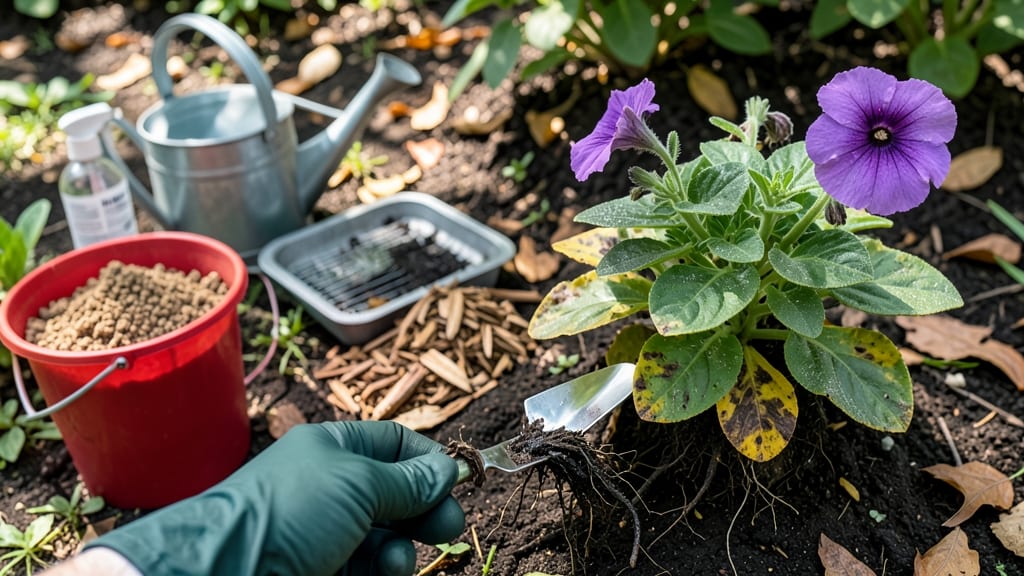
How to fix overwatered outdoor plants—your soggy soil might be killing them, even if they look thirsty. 🌱 I’ve revived more overwatered gardens than I can count, and the first step is always stopping the damage before it spreads. Yellowing leaves, wilting despite wet soil, and that foul smell? Those are your plants’ SOS signals.
Start by withholding water completely—yes, even if the soil feels damp. Then, improve drainage with coarse sand or perlite mixed into the top 6 inches of soil.
For container plants, check for drainage holes and elevate pots to prevent water pooling. Herbs like basil and flowers like impatiens recover fastest with these adjustments.
Within a week, you’ll see new growth as roots breathe again. The real fix comes from amending soil with compost to improve structure and mulching to regulate moisture. My overwatered tomatoes bounced back in just 10 days after I swapped heavy clay soil for a lighter, airier mix.
Prevention is simple: stick your finger in the soil before watering. If it’s still damp 1–2 inches down, wait another day. Overwatering is reversible—just act fast, and your plants will thank you with lush, healthy foliage all season long.
📚 In This Guide
- What you need
- Instructions
- Tips and common mistakes
- Wrapping up and next steps
What you need
- ● Garden trowel or small shovel – For gently lifting plants and loosening compacted soil.
- ● Well-draining potting mix or garden soil – 2-3 gallons, depending on plant size. Look for a blend labeled "well-draining" or "for containers."
- ● Perforated pots or containers (if repotting) – Slightly larger than the current pot to allow root expansion. Ensure they have drainage holes!
- ● Hose with adjustable nozzle or watering can – For controlled watering after the fix.
- ● Pruning shears or clean scissors – To trim any mushy or discolored roots or foliage.
- ○ Fungicide (optional but helpful) – A copper-based or hydrogen peroxide (3%) solution to prevent fungal infections. Dilute as per package instructions.
- ○ Mulch (optional) – 1-2 inches of organic mulch (like straw or bark) to retain moisture without suffocating roots.
- ● Rooting hormone – Helps encourage healthy regrowth if you’re replanting cuttings.
- ● Moisture meter – To monitor soil moisture levels and avoid future overwatering.
- ● Plant support stakes – If your plant was top-heavy or wobbly from root stress.
- ● Compost or worm castings – A small handful mixed into fresh soil for nutrients.
Step-by-Step instructions for reviving overwatered outdoor plants
Here’s how I rescue soggy plants—fast—before root rot takes hold.
🌱 Step 1: Stop Watering and Assess the Damage
First, halt all watering immediately. Yellowing leaves, mushy stems, or a foul smell mean roots are drowning. Gently tug on the plant—if it pulls out easily, root rot has already set in. For plants still anchored but wilting, we can still save them.
Check the soil moisture by squeezing a handful. If it feels like a damp sponge or water drips out, the roots are suffocating. Grab a small trowel and scrape back the top inch of soil—look for dark, slimy roots. Healthy roots are firm and white or tan. Dark, mushy roots need urgent action.
💧 Step 2: Improve Drainage and Loosen Compacted Soil
Dig around the plant’s base with a garden fork, breaking up compacted soil down to 6 inches deep. This helps roots breathe and water drain. If your soil is heavy clay, mix in 2-3 inches of coarse sand or perlite to improve aeration. I like to work in a handful of compost too—it adds organic matter that holds moisture without suffocating roots.
For container plants, lift them out and check the drainage holes. If they’re clogged with soil, clean them with a wire or drill new ones. Repot into a container with fresh, well-draining potting mix if the roots smell rotten. Never reuse soggy soil—it’s a breeding ground for fungus.
☀️ Step 3: Adjust Watering and Provide Airflow
Wait 3-5 days before watering again—this gives roots time to dry out. When you do water, soak deeply but only until the top 2 inches of soil feel moist. Use a moisture meter or stick your finger in; if it’s still damp after 48 hours, hold off. Mature plants need 1-1.5 inches of water per week, but overwatered ones need less.
Move the plant to a sunnier spot if it was previously shaded. More light speeds up evaporation and reduces soil moisture. If humidity is high (like in a greenhouse or tropical climate), prop up the plant’s foliage with small stakes to improve airflow around the stems. Good circulation prevents fungal diseases that thrive in wet conditions.
✂️ Step 4: Prune Damaged Foliage and Boost Recovery
Snip off any yellow, brown, or mushy leaves with clean pruners. Healthy leaves will regrow, but dead foliage just drains the plant’s energy. Cut back to green stems—never leave stubs. For severely damaged plants, trim one-third of the foliage to reduce stress on the roots.
Feed the plant with a balanced, water-soluble fertilizer (like 10-10-10) diluted to half strength. This gives it nutrients to rebuild roots and leaves. I avoid fertilizers high in nitrogen right after overwatering—too much can burn stressed roots. Instead, focus on phosphorus and potassium to strengthen root systems.
🪴 Step 5: Monitor and Prevent Future Overwatering
Keep a log of watering dates and soil moisture levels for the next 2 weeks. Overwatered plants often need less frequent but deeper watering. If the soil stays soggy, consider installing a French drain or raised bed to keep roots high and dry. Mulch with 2-3 inches of straw or wood chips to retain just enough moisture without smothering roots.
If the plant still looks weak after a month, it may need repotting into fresh, well-draining soil. For perennials, mark the spot and wait until next season to transplant. The key is patience—roots take time to recover, but with the right care, most plants bounce back stronger than before.
Tips & tricks for reviving overwatered plants
Here's what nobody tells you about saving soggy plants—lessons I learned after losing too many favorites to root rot.
Root Inspection: When you scrape back that top inch of soil in Step 1, look for the "toothpick test"—healthy roots should spring back when poked. If they stay indented or smell foul, you're dealing with rot. This is your only chance to catch it early before the whole plant collapses. I've saved plants that looked hopeless just by acting at this stage.
Soil Mix Matters: In Step 2, don't just add sand—mix it thoroughly with the existing soil down to those 6 inches. I've seen gardeners just sprinkle sand on top, which creates a waterproof barrier. For clay soil, blend in equal parts sand and compost to break up compaction while improving moisture control. Think of it as giving your roots a breath of fresh air.
Watering Wisdom: That 48-hour dry check in Step 3 is crucial. Use a moisture meter if you're unsure—your finger can be misleading in heavy clay. I've had students water again too soon because they thought the soil felt dry, only to drown their plants further. Remember: better to wait than to overdo it.
Pruning Strategy: When trimming in Step 4, cut back to the first set of healthy green leaves, not just the yellow ones. This gives the plant energy reserves to rebuild its root system. I've seen people trim too aggressively, which stresses an already weakened plant. Think of it as giving your plant a fresh start without overloading it.
Pro Tips for Fix Overwatered Outdoor Plants
- Here's what nobody tells you about saving soggy plants—lessons I learned after losing too many favorites to root rot.
- Root Inspection: When you scrape back that top inch of soil in Step 1, look for the "toothpick test"—healthy roots sh...
- Soil Mix Matters: In Step 2, don't just add sand—mix it thoroughly with the existing soil down to those 6 inches. I'v...
Frequently asked questions
Got questions about reviving your soggy outdoor plants? You’re not alone! Here are some of the most common concerns—and straightforward answers—to help you tackle overwatering like a pro.
How quickly can I tell if my plant is overwatered?
Check for yellowing leaves, mushy stems, or leaves that fall off easily—these are red flags! Root rot often appears within 3–7 days of excessive moisture, but some plants (like ferns) may show signs faster. If the soil smells sour or feels slimy, act immediately.
Can I save a plant if the leaves are already brown and crunchy?
It depends! If only the leaves are brown but the stems are still firm, trim the damaged parts and adjust watering. However, if the plant feels soft or hollow when squeezed, root rot may have spread too far—sadly, it might be beyond saving. Prevention is key!
What’s the best way to dry out overwatered soil fast?
Start by stopping all watering immediately. For potted plants, move them to a shady, breezy spot (like a garage or porch) to speed up evaporation. For in-ground plants, loosen the top 2–3 inches of soil with a fork to help air circulate. Avoid direct sun—it can stress the plant further.
Should I fertilize an overwatered plant to help it recover?
No!
Fertilizer adds salts and nutrients, which can worsen root damage in waterlogged soil. Wait until the plant shows new growth (usually 2–4 weeks) and the soil is dry. Then, use a balanced, diluted fertilizer (like 10-10-10) to support recovery.
How often should I water my outdoor plants after fixing overwatering?
Let the soil dry out completely between waterings—stick your finger 1–2 inches deep. For most outdoor plants, this means watering every 7–10 days (or less in hot/dry climates). Use the “drip test”: If water runs out the bottom of the pot within 10 minutes, you’re overdoing it.
| Quick Fix? | Action |
|---|---|
| Yellow leaves but firm stems | Trim leaves, reduce watering, improve drainage |
| Mushy stems or foul smell | Act fast! Remove plant, repot with fresh soil, or replace in-ground |
| Slow recovery | Check for pests (like fungus gnats) and adjust sunlight |
Wrapping up and next steps
Reviving overwatered outdoor plants is totally doable with the right steps!
Remember, drainage, patience, and proper care are your best tools—whether you’re adjusting soil, trimming roots, or tweaking your watering routine. 🌱 Don’t let a few slip-ups discourage you; even seasoned gardeners face this, and your green thumbs will thank you later.
Now that you’re armed with solutions, take action today. Start with one plant, observe its progress, and gradually refine your approach. Happy gardening—your plants (and future blooms!) will thank you! 🌿✨