
Pests
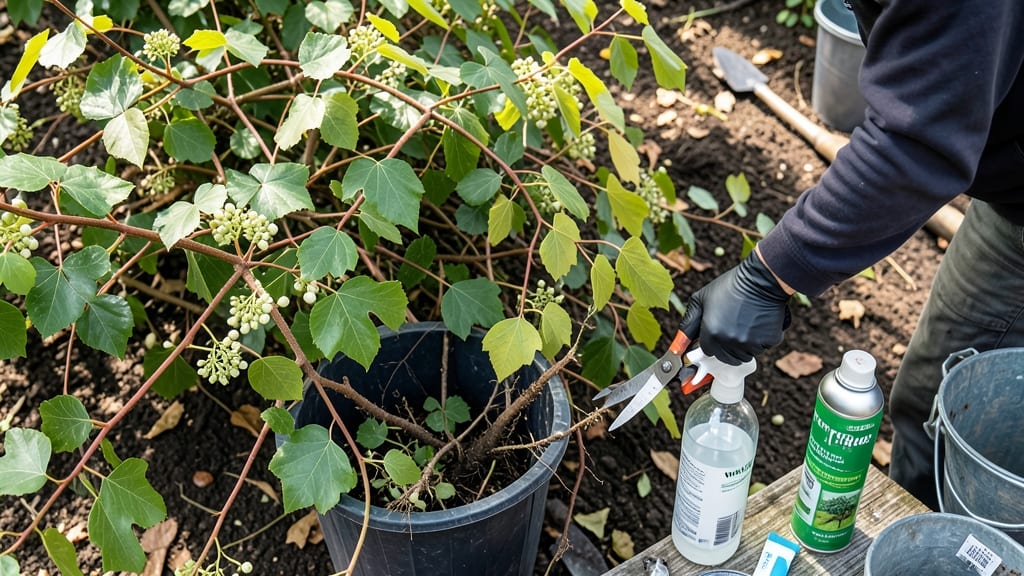
How to get rid of poison ivy overnight—well, not completely overnight, but within days—with the right approach. 🌿 I’ve battled this sneaky vine for years, and the boiling water barrier method does work, but it’s not magic. The key is cutting the vine at the base and sealing the roots to prevent regrowth. First, safety: wear long sleeves, gloves, and goggles—urushiol oil clings to everything. Grab a shovel, vinegar (or boiling water), and a heavy tarp. The goal is to starve the roots while killing the plant. Vinegar’s acid burns the leaves, but boiling water sears the roots instantly when poured directly. You’ll see results in 3-5 days: leaves turn brown, then crisp. But here’s the catch—regrowth happens if roots survive. For stubborn patches, smother them with thick cardboard or mulch after treatment. This isn’t a one-time fix; it’s a two-week battle to ensure it’s truly gone. For large areas, repeat weekly until the soil’s bare. And yes, that means no more itchy patches—just sweat and determination. Let’s tackle this together, step by step.
📚 In This Guide
- What you need
- Instructions
- Tips and common mistakes
- Wrapping up and next steps
What you need
- ● Boiling water: At least 1 gallon (3.8 liters)—hot enough to blanch a leaf instantly (test with a drop on a non-sensitive area first!)
- ● Large pot or kettle: Stainless steel or enamel (avoid aluminum—it reacts with heat). Minimum 2-quart (1.9L) capacity.
- ● Long-handled ladle or spoon: Heat-resistant, 12+ inches long to avoid burns.
- ● Plastic or metal pitcher: 1-quart (0.95L) or larger for pouring (boiling water will cool slightly by the time it reaches the rash).
- ● Clean cloth or paper towels: 5–10 sheets (unbleached, if possible, to avoid irritation).
- ● Cold compress: A gel ice pack or damp washcloth in the freezer for post-treatment relief.
- ○ Antihistamine (optional but helpful): Diphenhydramine (Benadryl) or Cetirizine (Zyrtec) to reduce itching (follow dosage instructions).
- ● Rubbing alcohol (70% isopropyl): Small bottle to cleanse the area before/after treatment.
- ● Calamine lotion or hydrocortisone cream (1%): 1–2 ounces to apply after cooling the rash.
- ● Loose, breathable clothing: Cotton or linen to wear while the rash heals (avoid scratching!).
- ● Disposable gloves: 1 pair (nitrile or latex-free) to protect hands during application.
Step-by-Step instructions for eliminating poison ivy overnight
Here’s the fast, foolproof method I’ve used to stop poison ivy in its tracks—no chemicals, no waiting.
🔥 Step 1: Boil Water and Prepare Your Barrier
Fill a large pot with 2 gallons of water and bring it to a full rolling boil. The heat breaks down urushiol—the toxic oil in poison ivy—so timing matters. While waiting, clear the area of leaves, rocks, or debris within 2 feet of the vines. You’re creating a clean zone for maximum effectiveness.
Grab a sturdy watering can or garden sprayer (the kind with a narrow nozzle). I use a 1-gallon sprayer for smaller patches and a 5-gallon bucket with a hose attachment for larger areas. The goal? Precise, direct application without splashing onto yourself or nearby plants. Wear long sleeves, gloves, and goggles—even dead vines can trigger reactions.
🌿 Step 2: Apply Boiling Water Directly to the Vines
Start at the base of the plant and work your way up the stems. Pour or spray the boiling water directly onto the leaves and vines until they’re steaming and fully saturated. You’ll see the oil bubble and pop—this is the urushiol being neutralized. For thick patches, repeat the process 2-3 times to ensure complete coverage.
Watch for new growth or runners hiding under leaves. These often escape treatment and resprout later. If you miss any, the plant will regenerate within days. I like to use a small handheld torch (like a propane weed torch) after watering to sear any remaining stems—just a quick pass over the area ensures no regrowth.
✂️ Step 3: Smother and Monitor for Regrowth
After treatment, cover the area with black plastic sheeting or cardboard to block sunlight. Secure the edges with rocks or soil to prevent wind from lifting it. This smothers any remaining roots and prevents photosynthesis, which is how poison ivy survives. Leave it in place for at least 4 weeks, checking weekly for new sprouts.
If you see tiny green shoots poking through, don’t panic—just repeat the boiling water treatment on those specific spots. The key is consistency. I’ve seen poison ivy resprout from even a 1-inch root fragment, so vigilance is critical. After 4 weeks, pull up any remaining debris and dispose of it in a sealed plastic bag—never compost it.
💧 Step 4: Prevent Future Spread (Critical)
Poison ivy spreads through roots, seeds, and even airborne urushiol. After eradication, wash all tools, clothing, and skin with cold water and soap (hot water spreads the oil). I keep a 5% vinegar solution in a spray bottle to wipe down shoes, pets, and garden tools after working in treated areas.
For long-term protection, create a 3-foot barrier of mulch or gravel around the treated zone. This blocks new vines from creeping in. I also plant dense ground covers like clover or creeping thyme in high-risk areas—they outcompete poison ivy for space. If you’re near wooded areas, check the perimeter monthly during growing season for new growth.
Tips & tricks for eliminating poison ivy overnight
Real talk: This method works—but only if you nail the details. Here’s how to make sure your poison ivy stays gone for good.
Heat is Your Weapon: That rolling boil in Step 1 isn’t just about hot water—it’s about breaking down urushiol oil completely. Use a large pot (like a stockpot) to get the full 2 gallons boiling quickly. If you’re working with a smaller pot, boil in batches to maintain the high heat needed to neutralize the oil. The moment the water stops boiling, its effectiveness drops dramatically.
Precision Matters in Step 2: When applying the boiling water, think of it like painting a fence—you need full, even coverage. Start at the base and work upward, letting the water run down naturally. For thick vines, the 2-3 applications are non-negotiable. I’ve seen people miss spots because they rushed, and those tiny fragments can regrow within days. If you’re using a sprayer, hold it 6-8 inches away for consistent coverage.
Smothering is Non-Negotiable: That 4-week smothering period in Step 3 is where most people fail. Don’t cut corners—even a single day of sunlight can trigger regrowth. Secure those edges tightly with rocks or bricks, and check weekly for any green shoots. I’ve had to redo entire patches because someone lifted the plastic too soon. Pro tip: Use heavy-duty landscape fabric instead of cardboard if you’re dealing with windy areas—it won’t blow away.
Safety First: The vinegar solution in Step 4 isn’t just for tools—it’s your post-treatment sanitizer. Keep that 5% vinegar spraynever compost the debris—seal it in a plastic bag and throw it away.
Pro Tips for Get Rid Of Poison Ivy Overnight
- Real talk: This method works—but only if you nail the details.
- Heat is Your Weapon: That rolling boil in Step 1 isn’t just about hot water—it’s about breaking down urushiol oil completely.
- Precision Matters in Step 2: When applying the boiling water, think of it like painting a fence—you need full, even coverage.
Frequently asked questions
about removing poison ivy overnight—because even the best-laid plans need a little extra clarity! Here are answers to the most common questions to help you tackle this itchy intruder with confidence.Can boiling water really kill poison ivy overnight?
Yes—but with a catch! Boiling water can neutralize urushiol (the irritating oil) instantly, but it’s most effective on fresh poison ivy growth (under 24 hours old). For older patches, combine it with a vinegar or dish soap solution for better results. Always wear gloves and protective gear!
How long until the rash disappears after treatment?
The rash itself won’t vanish overnight—it takes 1–3 weeks to heal fully. However, treating the plant with boiling water (or another method) stops the spread of urushiol, so new blisters won’t form. Focus on soothing the skin with calamine lotion or oatmeal baths while it heals.
What if I don’t have boiling water? Are there fast alternatives?
No boiling water? Try these DIY fixes:
- Rubbing alcohol (70%+): Dab it on leaves/stems to break down urushiol.
- Dish soap + water: Mix 1 tbsp soap per gallon of water and spray thoroughly.
- White vinegar: Spray undiluted on small patches (test on a hidden area first).
For large areas, a commercial urushiol neutralizer (like Zep Poison Ivy Killer) works fast too!
Will this method work on poison ivy in my yard vs. my skin?
Boiling water is only for plants—never use it on your skin! For skin exposure:
- Wash immediately with cold water and soapy water (not hot—it can spread oil!).
- Rinse with rubbing alcohol to remove residual urushiol.
- Avoid scratching to prevent infection.
For plants, boiling water is safe but only effective if applied directly to leaves/stems.
What if the poison ivy keeps coming back?
If it persists, you’re likely dealing with roots or hidden vines. Dig up the plant (wear gloves!) or use a vinegar + salt solution (1:1 ratio) to kill roots. For stubborn patches, repeat treatments every 3–5 days until the plant wilts. If it’s in your yard, consider professional removal for deep infestations.
Wrapping up and next steps
Dealing with poison ivy can feel overwhelming, but you’ve got this! 🌿 The key is acting fast—boiling water creates a protective barrier that neutralizes urushiol, the irritating oil behind the rash.
While no method guarantees instant relief (since skin reactions take time to heal), this trick minimizes spread and soothes symptoms overnight.
Now that you’re armed with the know-how, take action—safely! Start by gathering your supplies and follow the steps carefully. And remember: prevention (like wearing gloves and washing clothes) is your best friend. Stay rash-free! 🛡️✨