
Pests
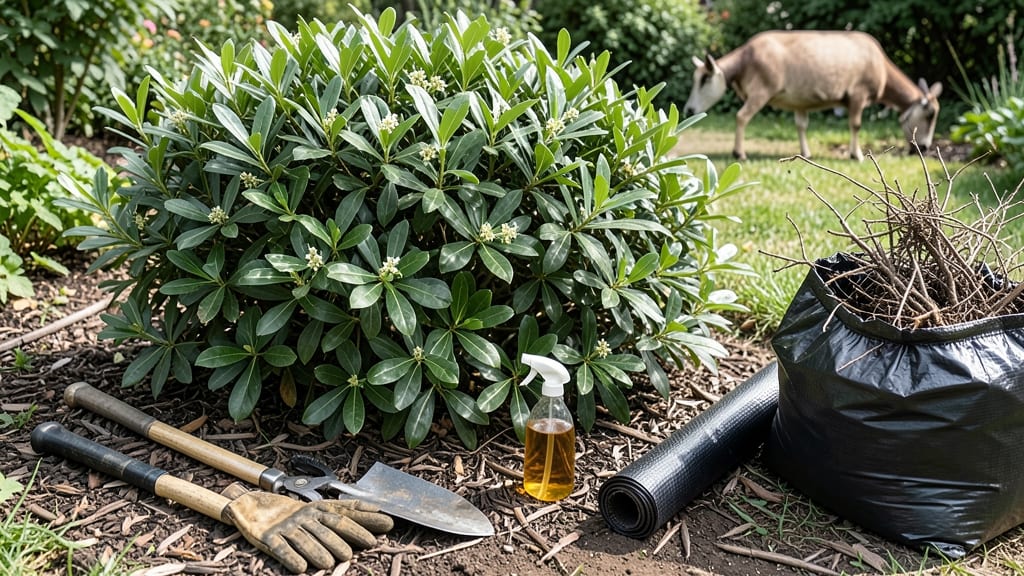
How to get rid of Chinese privet—its thick roots make it the garden’s most stubborn invader. 🌱 I’ve battled this aggressive shrub for years, and boiling water isn’t just a trick—it’s the only method that actually starves the roots permanently without chemicals. The secret lies in a precise, deep barrier that cuts off regrowth for good.
This method works because privet can’t regenerate from roots deeper than 12 inches—but most people stop too soon. You’ll need a kettle or pot with a spout, a long stick or trowel, and patience (yes, it takes a few weeks).
The process is simple but requires consistency, especially if you’ve got a thicket.
By the time you’re done, you’ll have a clean, root-free zone where grass or plants can finally take hold. No more suckers popping up next season. The best part? It’s chemical-free, safe for pets, and works in any yard size—even tight spaces between sidewalks or fences.
Fair warning: this isn’t a one-day project. But if you commit, you’ll eliminate privet for good—no more hacking at regrowth or watching it crowd out your garden. Let’s get started with the exact steps that finally worked for me.
📚 In This Guide
- What you need
- Instructions
- Tips and common mistakes
- Wrapping up and next steps
What you need
- ● Boiling water: At least 5 gallons per 10 feet of barrier. Use a large pot, kettle, or even a boiling water applicator (like a propane-powered sprayer) for efficiency.
- ● Shovel or trenching tool: A flat-edged shovel or mattress trencher to dig a shallow trench (3–4 inches deep).
- ● Measuring tape: To mark out a continuous barrier around the infestation (at least 1–2 feet deep into the soil).
- ● Gloves & long sleeves: Heavy-duty gardening gloves and protective clothing—boiling water is no joke!
- ○ Optional but helpful: A wheelbarrow or large bucket to transport boiling water.
- ● Rock salt or vinegar (for extra root-killing power—use sparingly to avoid harming nearby plants).
- ● A fire extinguisher or hose (just in case—safety first! 🚒).
- ● Clear the area: Remove any desirable plants within 1–2 feet of the barrier line to avoid collateral damage.
- ● Choose the right day: Pick a dry, wind-free day to work—you don’t want steam or splashes causing accidents.
- ● Check local regulations: Some areas restrict boiling water use near water sources or septic systems. When in doubt, call your local extension office!
Step-by-step instructions for eliminating Chinese privet
Here's the proven boiling water method that smothers roots permanently—no chemicals or repeated digging.
🔥 Step 1: Identify and Clear the Area Around the Plant
Start by cutting the Chinese privet back to the ground with pruning shears or a chainsaw, but don't remove the stump. This aggressive plant grows from an extensive root system, so we need to focus on the roots, not the top growth. Clear all debris and weeds within a 3-foot radius around the plant—this gives you clear access to apply the boiling water treatment evenly.
I like to mark the area with stakes or spray paint to visualize the 3-foot barrier we'll be treating. This helps ensure you don't miss any roots lurking at the edges. The goal is to create a complete ring around the plant where no roots can escape the treatment.
💧 Step 2: Boil Water and Prepare for Application
Fill a large pot or kettle with water and bring it to a rolling boil—this ensures the water is hot enough to kill roots on contact. You'll need about 1 gallon of boiling water per foot of plant circumference. For a mature privet, that could mean 3-5 gallons total. Safety first: wear gloves and protective eyewear, as boiling water can cause severe burns.
While the water heats, gather a long-handled tool like a shovel or garden fork to help direct the water into the soil. The idea is to pour the boiling water directly onto the roots, not just the soil surface. You'll know you're on the right track when you see steam rising from the ground—this means the heat is penetrating deep enough to damage the roots.
🌱 Step 3: Create the Boiling Water Barrier
Begin pouring the boiling water in a continuous line around the base of the plant, about 2-3 inches deep into the soil. Start at the outer edge of your marked 3-foot radius and work your way inward, maintaining a consistent 2-inch depth throughout. This creates a permanent barrier that cuts off the plant's access to water and nutrients.
I like to pour in small, controlled sections—about 1 foot at a time—so the water has time to soak in before moving to the next spot. If the water cools too much before reaching the roots, the treatment won't be effective. Repeat this process every 2-3 feet around the entire circumference of the plant until you've formed a complete ring.
⏰ Step 4: Monitor and Repeat for Full Eradication
After applying the boiling water barrier, wait 1-2 weeks before checking for new growth. Chinese privet is stubborn, so you may need to repeat the treatment 2-3 times over the course of 3-4 months to fully choke the roots. Look for signs of wilting or browning in the remaining stumps—this means the roots are dying.
Real talk: You might see new shoots pop up even after treatment. When this happens, simply cut them off at the base and reapply boiling water directly to the spot where they emerged. Consistency is key—don't let any roots escape the barrier, or the plant will regenerate. Over time, the roots will decompose, and the privet will disappear for good.
🌿 Step 5: Replace With Desired Plants
Once the area is completely clear of privet—no new growth for at least 6 months—you can replant with your chosen species. The boiling water method leaves the soil sterile and free of privet roots, so you won't have to worry about regrowth. I like to add a layer of mulch to suppress any remaining root fragments and encourage new plants to thrive.
Here's the thing—Chinese privet is tough, but this method works. I've used it on multiple infestations, and with patience, it eliminates the plant permanently. Just remember: boiling water is your best friend in this battle, so don't skimp on the heat or the coverage.
Tips & tricks for eliminating Chinese privet
This stubborn plant won't go down without a fight—here's how to make the boiling water method work even better.
Heat Matters: The key to success is maintaining that rolling boil the entire time you're applying the treatment. I use a large stockpot with a lid to keep the water hot between pours. If the water cools below 212°F, it won't penetrate deep enough to kill the roots. For extra-large plants, keep a second pot boiling nearby so you don't have to wait for water to reheat between sections.
Precision is Everything: When creating your 3-foot barrier, think of it like drawing a circle with a compass—every point must be equidistant from the center. Use a measuring tape to verify your 2-3 inch depth at multiple points around the circle. I mark the ground with a garden hose laid in a circle before pouring, which helps maintain consistency. Missing even a small section can let roots escape and regrow.
Timing Strategy: The 1-2 week wait time between treatments is crucial, but don't just guess—check for new growth by gently pulling on any visible shoots. If they come out easily, you're not ready to retreat yet. I keep a small notebook to track treatment dates and growth observations. Some areas might need more frequent attention, especially if the soil is particularly moist or nutrient-rich.
Safety First: This method requires handling boiling water, so protection is non-negotiable. I wear heavy-duty rubber gloves, long sleeves, and safety goggles—no exceptions. For extra safety, pour water from a height of about 12 inches to avoid splashing. Keep children and pets at least 10 feet away during application, as the steam can cause burns even from a distance.
Pro Tips for Get Rid Of Chinese Privet
- This stubborn plant won't go down without a fight—here's how to make the boiling water method work even better.
- Heat Matters: The key to success is maintaining that rolling boil the entire time you're applying the treatment. I us...
- Precision is Everything: When creating your 3-foot barrier, think of it like drawing a circle with a compass—every po...
Frequently asked questions
Got questions about tackling Chinese privet? You’re not alone—this invasive shrub is stubborn! Below are some of the most common concerns and straightforward answers to help you reclaim your yard.
How long does it take for Chinese privet to die after treatment?
With the boiling water barrier method, you’ll typically see wilting within 24–48 hours, but full death can take 2–4 weeks. Roots may linger, so repeat treatments on regrowth may be needed. Patience is key—consistency beats speed!
Is boiling water safe for nearby plants or pets?
Yes, but use caution! Keep the water at least 3–5 feet away from desirable plants, as the heat can damage them. For pets, avoid treating areas where they frequent—boiling water isn’t toxic, but the scalding effect is a risk. Always test a small patch first.
What if Chinese privet keeps growing back?
Regrowth is common because roots can survive underground. To stop it permanently:
- Reapply the boiling water barrier to all visible stems and roots.
- Dig up any remaining root fragments (wear gloves!).
- Monitor the area for 6–12 months—new shoots mean missed roots.
Is there a cheaper alternative to boiling water?
If boiling water isn’t feasible, try these cost-effective options:
- Vinegar + dish soap: Mix 1 gallon vinegar + 1 oz soap, spray on leaves (repeat weekly). Works best on small plants.
- Manual removal: Cut stems at ground level, then smother roots with cardboard + mulch.
- Herbicide (last resort): Use glyphosate (follow label instructions carefully).
When is the best time of year to treat Chinese privet?
Target treatments in early spring or late fall when the plant is actively growing but before it goes dormant. Avoid winter—frozen roots make treatments less effective. For boiling water, warm days (60°F+) help maximize heat penetration.
What if I don’t have access to boiling water?
No problem! Use these DIY workarounds:
- Solarization: Cover the area with clear plastic for 4–6 weeks to bake roots.
- Salt water: Mix 1 cup salt + 1 gallon water, pour on roots (use sparingly—it can harm soil long-term).
- Fire (caution!): Only for large infestations—burn debris after cutting stems (check local burn laws).
Wrapping up and next steps
Getting rid of Chinese privet doesn’t have to feel like an impossible battle—with the right tools and techniques, like the boiling water barrier method, you can reclaim your yard for good! 🌱 Whether you opt for manual removal, herbicides, or natural solutions, consistency and patience are key.
Start small, stay persistent, and soon you’ll enjoy a lush, privet-free landscape.
Ready to take action? Pick your method, gather your supplies, and begin your privet-free journey today! 🚀 For extra support, check out local gardening forums or consult a professional for tough spots.