
Pests
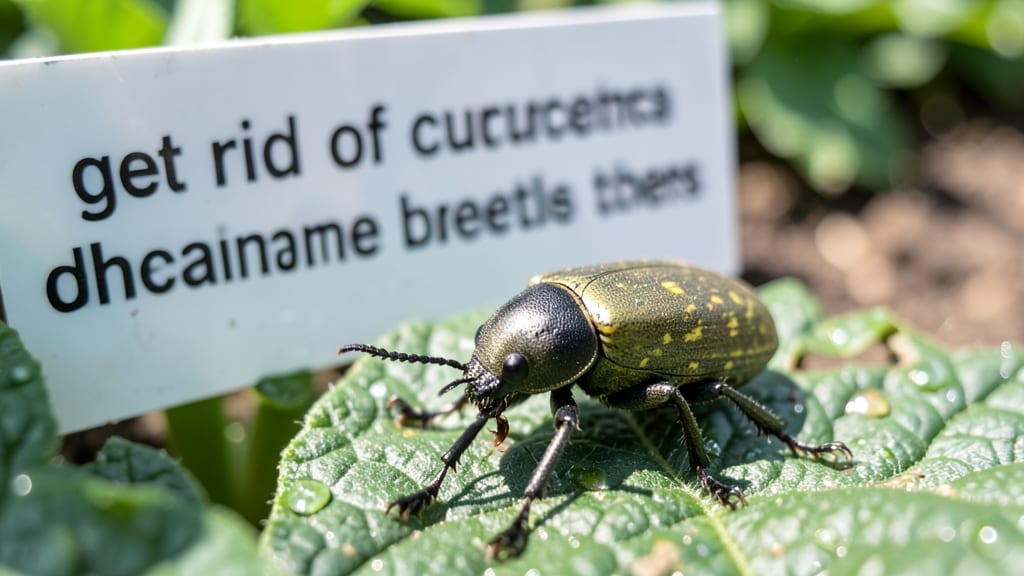
How to get rid of those tiny striped invaders can wipe out your cucumbers in days. 🌱 I’ve lost entire harvests to cucumber beetles—until I discovered this boiling water barrier that stops them dead in their tracks. The key is timing and technique, not just pouring hot water willy-nilly. Most people miss the larvae hiding in the soil, but this method targets both adults and grubs. You’ll need a kettle, a long-handled spoon, and a sunny morning when beetles are sluggish. The secret? Apply the water right at the base of plants, where they lay eggs, and repeat weekly until your plants are safe. By week three, you’ll see fewer chewed leaves and more vibrant blooms. The plants recover faster, and the beetles? They’ll avoid your garden like it’s a minefield. No more wilting vines or stunted growth—just healthy, thriving cucumbers. Works for squash, melons, and even your prized tomatoes too. Here’s the exact step-by-step method that’s saved my garden every season. Let’s get started—your plants won’t thank you for waiting.
Root Causes of Cucumber Beetle Infestations
Cucumber beetles—those tiny, striped pests—don’t just appear out of nowhere. Their presence in your garden is usually a sign of specific conditions that make your plants an irresistible buffet.
Understanding why they show up is the first step to stopping them in their tracks. Let’s break down the science behind their invasion.
🌱 Overripe or Weakened Plants
Cucumber beetles are drawn to plants that are already stressed or past their prime. When cucumbers, melons, or squash plants are overripe, diseased, or nutrient-deficient, their defenses weaken, making them easier targets. These beetles thrive on plants with:
- Soft, decaying tissue: Overripe fruit or wilting leaves release sugars and volatile organic compounds (VOCs) that signal "easy prey" to beetles.
- Fungal or bacterial infections: Infected plants often emit chemical distress signals (like jasmonic acid) that attract beetles looking for a meal—or a place to lay eggs.
- Poor soil health: Plants struggling from compacted, nutrient-poor soil produce weaker stems and leaves, which beetles can chew through more easily.
Actionable insight: Regularly prune dead or dying foliage and ensure your plants get balanced fertilization (especially nitrogen and potassium) to keep them resilient.
🌿 Ideal Hiding and Breeding Spots
Cucumber beetles aren’t just after your plants—they’re also hunting for shady, moist microclimates where they can hide, mate, and lay eggs. Common hotspots include:
- Low-lying garden beds: Beetles prefer areas where water pools after rain, creating damp soil perfect for their larvae (which burrow underground).
- Weedy or mulched patches: Dense mulch or unkempt garden edges provide shelter from predators (like birds or ladybugs) and UV light.
- Nearby wild host plants: Beetles often originate from untended areas with wild cucumbers, squash, or melons. Even a single patch of these plants can become a breeding ground.
Scientific note: Adult beetles use visual cues (yellow flowers) and chemical trails to locate these ideal conditions. A garden with scattered debris or unchecked weeds is basically a neon sign for them.
🌡️ Warm, Humid Weather Patterns
Cucumber beetles are cold-blooded, meaning their activity spikes when temperatures rise. Here’s how climate plays a role:
- Spring and summer heat: Beetles emerge en masse when soil temps hit 55–60°F (13–16°C). Warmer air speeds up their metabolism, increasing feeding and egg-laying.
- Humidity and morning dew: Moisture helps beetles survive and keeps their eggs from drying out. Gardens in shady, humid pockets become prime real estate.
- Drought stress: Paradoxically, drought conditions can also attract beetles. Stressed plants produce more sugary sap, which beetles find irresistible.
Pro tip: If your region has hot, humid summers, beetle outbreaks are almost inevitable. Monitor plants during these periods and act fast—larvae can turn into adults in 2–3 weeks.
🐛 Lack of Natural Predators
In a healthy ecosystem, cucumber beetles face a gauntlet of predators. But when their natural enemies are missing, populations explode. Key predators include:
| Predator | How They Help | Why They Might Be Missing |
|---|---|---|
| Ladybugs | Devour beetle eggs and larvae. | Pesticide use or lack of flowering plants (their food source). |
| Ground beetles | Hunt larvae in the soil. | Compacted soil or chemical fertilizers. |
| Birds (e.g., sparrows, robins) | Snatch adult beetles mid-flight. | Loss of shrubbery or perches in the garden. |
| Parasitic wasps | Lay eggs inside beetle larvae, killing them. | Monoculture gardening (no plant diversity). |
Key takeaway: A garden lacking biodiversity or over-treated with pesticides creates a beetle paradise. Encourage predators by planting native flowers, avoiding broad-spectrum pesticides, and leaving some "wild" areas.
Now that you know why these pests crash your garden parties, the next step is turning the tide with targeted strategies—starting with that boiling water barrier! 🔥
Beat Back Cucumber Beetles Fast
Cucumber beetles may seem tiny, but their damage can be devastating—stripping plants of nutrients, spreading disease, and leaving your garden looking like a war zone. 🚨 The good news? With the right strategies, you can eliminate them and protect your crops before they wreak havoc.
Below, we’ve mapped out targeted fixes for the most common causes of infestations, plus prevention tips to keep your garden beetle-free long-term.
---
Fix: Manual Removal + Traps Cucumber beetles are most active during early morning or late afternoon, making them easier to spot. Act fast to prevent further damage.
1. 🕵️♂️ Scout & Squash - Inspect leaves, stems, and flowers daily (especially cucumbers, squash, and melons). - Use gloves and forceps to pluck beetles into a soapy water bucket (1 tbsp dish soap per gallon of water).
The soap breaks down their protective wax layer, killing them instantly. - Pro Tip: 💡 Check the underside of leaves—beetles love to hide there!
2. 🎣 DIY Beer Traps (Non-Toxic Bait) - Fill a shallow dish with beer (the yeast attracts them). - Bury it neck-deep in the soil near infested plants. - Refresh every 2–3 days for maximum effectiveness.
3. 🛡️ Row Covers for Young Plants - Use floating row covers (lightweight fabric) over seedlings to block beetles entirely. - Remove when plants flower to allow pollination.
---
Fix: Boiling Water Barrier (Your Secret Weapon) Larvae are sneaky—they chew on roots, weakening plants before you even notice. The boiling water method (featured in your article!) is a powerful, chemical-free way to kill larvae on contact.
1. 🔥 Boiling Water Treatment (Step-by-Step) - When to do it: Early morning or evening (when beetles are less active). - How to apply: - Boil 1–2 gallons of water per 10-foot row. - Pour slowly along the base of the plant, focusing on the soil surface (where larvae hide). - Repeat every 5–7 days until no more beetles appear. - Why it works: The sudden heat kills larvae and eggs instantly without harming plants.
2. 🌿 Beneficial Nematodes (Long-Term Defense) - Apply heterorhabditis bacteriophora nematodes to the soil. - These microscopic worms seek out and paralyze larvae, making them a natural, sustainable solution. - Best used in early spring before beetles lay eggs.
---
Fix: Break the Beetle Cycle Beetles are drawn to healthy, thriving plants—especially cucurbits (cucumbers, squash, melons). Disrupt their life cycle to starve them out.
1. 🚫 Remove Infested Plants - If a plant is heavily damaged, pull it immediately and dispose of it in a sealed bag (not compost). - Never leave plant debris—beetles lay eggs in dead leaves!
2. 🌱 Plant Beetle-Repelling Companions - Marigolds, radishes, and nasturtiums deter beetles with their strong scents. - Basil and dill also confuse beetles and mask the smell of cucumbers. - Interplant these around your vulnerable crops.
3. 🕰️ Rotate Crops Annually - Beetles overwinter in soil, so plant cucurbits in a different spot each year. - Avoid planting near last year’s cucumber patch—this reduces egg-laying opportunities.
---
Fix: Smart Spraying (When Needed) If beetles are still winning, targeted sprays can help—but timing and type matter.
1. 💦 Neem Oil Spray (Safe & Effective) - Mix 1 tbsp neem oil + 1 tsp mild soap per quart of water. - Spray early morning or late evening (avoid direct sun—it can burn leaves). - Reapply every 5–7 days until beetles disappear.
2. 🛡️ Pyrethrin Spray (Fast-Kill, But Use Sparingly) - Derived from chrysanthemums, it knocks out beetles in minutes. - Downside: Kills beneficial insects too, so use only as a last resort. - Best for: Severe infestations before harvest.
3. 🚫 Avoid Systemic Pesticides - Chemicals like imidacloprid can harm bees and beneficial bugs. - If you must use them, apply before planting (not after).
---
Once you’ve won the battle, lock in your defenses with these proactive steps:
- 🌱 Start with Healthy Soil – Strong plants resist pests better. Use compost and organic matter to boost plant vigor. - 🕒 Plant Early or Late – Beetles emerge in late spring.
If possible, get seedlings in the ground before they arrive or delay planting until July. - 🌞 Water in the Morning – Wet foliage washes away beetles and encourages natural predators like ladybugs. - 🔍 Check for Eggs – Beetle eggs are tiny and yellow.
Scrape them off leaves with a soft brush before they hatch. - 🏡 Use Yellow Sticky Traps – Beetles are drawn to yellow. Hang traps near plants to catch adults before they lay eggs.
--- Final Thought: 🎯 Cucumber beetles are annoying but beatable—especially with boiling water, traps, and smart planting. Stay vigilant, act fast, and your garden will thrive without a single stripe of damage.
Frequently asked questions
Why does boiling water work so well against cucumber beetle larvae?
The sudden heat from boiling water creates a thermal shock that kills larvae and eggs on contact. Since larvae hide just below the soil surface, pouring water along the plant base targets their hiding spots. The method is effective because it doesn't rely on chemicals—just physics!
Can I use this boiling water method on all my garden plants?
Yes, but use caution with shallow-rooted plants like lettuce or herbs. Focus on cucumbers, squash, and melons—the beetles' favorite targets. For delicate plants, apply water 1-2 inches away from stems to avoid scorching. Always test a small area first!
How often should I apply the boiling water treatment?
Repeat the treatment every 5-7 days until you see no more beetles. This timing accounts for new eggs hatching and larvae emerging. Consistency is key—don't skip weeks! The first application should be within 24 hours of noticing beetles for best results.
Will this method harm beneficial insects like ladybugs?
No, the boiling water targets only the beetles and their larvae in the soil. Beneficial insects like ladybugs, lacewings, and parasitic wasps won't be affected since they're not in direct contact with the hot water. It's a selective and eco-friendly solution!
What if cucumber beetles keep coming back after treatment?
Persistent beetles often mean they're coming from nearby wild plants or returning from overwintering spots. Combine the boiling water method with yellow sticky traps and companion planting (like marigolds). Also check for hidden breeding sites in your garden edges.