
Pests
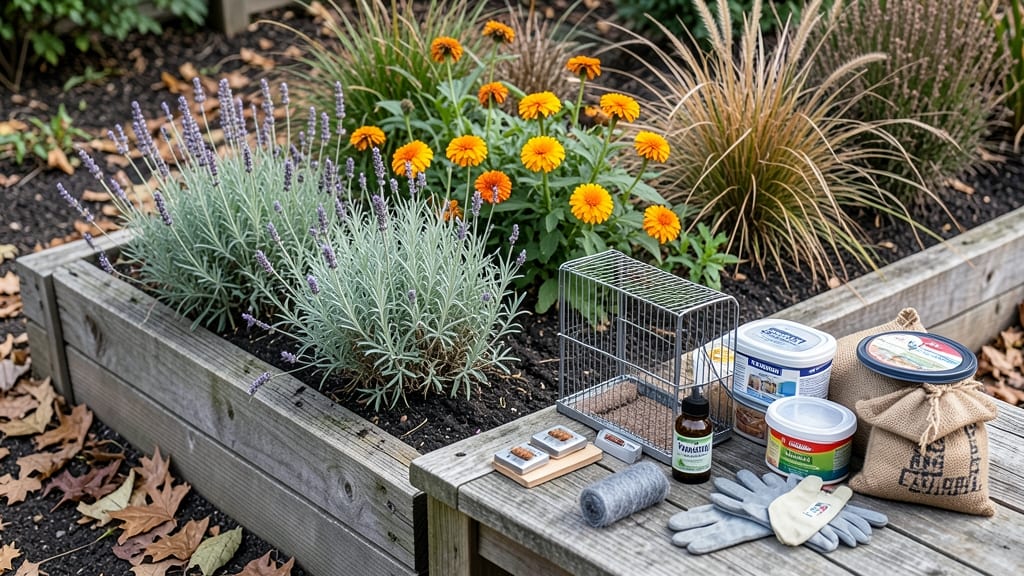
How to get rid of a mouse in your garden—without traps or poison? 🌱 I’ve lost count of the times I found my carefully planted seeds reduced to shredded confetti—until I discovered this boiling water barrier trick that actually works. It’s not about trapping or poisoning; it’s about smothering their nests and sending them packing for good.
The key is timing and placement. Boiling water poured directly into active burrows or runways disrupts their tunnels while keeping your soil (and pets) safe. Pair this with peppermint oil-soaked cotton balls near entry points, and you’ll create a double whammy they can’t ignore.
No chemicals, no cruelty—just a garden that stays yours.
Within 24 hours, you’ll notice fewer droppings, less gnawed foliage, and maybe even a mouse or two making a hasty exit. The barrier works best in early spring or fall when mice are most active, but it’s a fail-safe for any season.
Your plants will thank you—and so will your sanity.
This method isn’t just a quick fix; it’s a long-term deterrent. Combine it with habitat changes (remove brush piles, seal gaps in sheds) and you’ll keep your garden mouse-free for seasons to come. No more waking up to half-eaten lettuce or vanished bulbs.
The Hidden Triggers Inviting Mice
Mice don’t just wander into your garden by accident—they’re drawn by a mix of food, shelter, and environmental cues that make your outdoor space look like an all-you-can-eat buffet with a cozy hotel thrown in.
Understanding these triggers is the first step to outsmarting them. Let’s break down the science behind why your garden becomes a mouse magnet.
Mice are opportunistic omnivores, and your garden likely offers more than you realize. Their diet includes:
- Fallen fruits and vegetables 🍎🥕: Overripe apples, squash, or even dropped berries from bushes are irresistible. A single piece of fruit can attract a whole colony.
- Pet food left outdoors 🐶🐱: Uneaten kibble, spilled water bowls, or even birdseed (yes, it counts!) create easy access to calories.
- Compost piles 🌱♻️: Rich, decaying organic matter is like a five-star restaurant to mice. They’ll nest in the warmth and feast on scraps.
- Stored garden supplies 🧱🌿: Wooden crates, mulch bags, or even cardboard boxes near tools provide both food (insects, seeds) and nesting material.
Pro tip: 💡 Mice can smell food from 30 feet away—so even small spills or hidden debris become a beacon.
Mice seek dark, dry, and secluded areas to build nests, especially during colder months or rainy seasons. Common garden hotspots include:
- Under decks, sheds, or patios 🏠🕳️: Gaps in wood or gaps between structures provide easy entry and protection.
- Thick mulch or leaf litter 🍂🌿: A 4–6 inch layer of organic matter is perfect for tunneling and nesting.
- Hollow logs or rock piles 🪵🪨: Natural crevices offer built-in insulation and hiding spots.
- Garden hoses and pipes 💦🔄: Mice can chew through vinyl hoses or nest inside coiled ones, especially if they’re left on the ground.
Fun fact: 🎯 A single female mouse can produce 5–14 babies every 3 weeks, and those nests need shredded paper, fabric, or plant fibers—all of which your garden likely provides.
Mice are highly sensitive to temperature and moisture. Your garden’s seasonal changes might be unknowingly inviting them:
- Fall leaf buildup 🍁🌬️: As leaves fall, they create thick insulation, trapping warmth and moisture—ideal for nesting.
- Winter food scarcity ❄️🌾: When natural food sources (seeds, insects) dwindle, mice raid gardens for stored crops or compost.
- Spring and summer moisture 💦☀️: Damp mulch or standing water near plants encourages nesting, especially in shaded areas.
Warning sign: 🚨 If you spot chewed plants, small droppings (rice-sized), or greasy rub marks along fences or sheds, mice are already treating your garden like their personal pantry.
Some plants unintentionally welcome mice by providing:
- High-moisture veggies 🥬💧: Lettuce, spinach, or succulent herbs left on the ground rot quickly, creating a smorgasbord.
- Seed-bearing plants 🌱🌾: Sunflowers, corn, or even wild grasses offer easy snacks and nesting material.
- Weeds with dense roots 🌿🕸️: Dandelions or clover provide both food and shelter for burrowing.
Quick fix: ✨ Remove overripe produce immediately and prune plants touching the ground to eliminate hiding spots.
Effective Ways to Banish Mice
Now that you understand why mice invade your garden, let’s tackle the problem with practical, humane, and long-term solutions. Mice are clever but predictable—target their nesting habits, food sources, and entry points to outsmart them.
Below, we’ve mapped common causes to proven fixes, plus prevention tips to keep them from returning.
Mice can squeeze through gaps as small as ¼ inch—so inspect your garden’s perimeter for weak spots.
How to do it:
- 🔧 Inspect structures: Check sheds, compost bins, and garden tool storage for cracks, holes, or loose vents.
- 🧱 Seal gaps: Use steel wool + caulk (mice can’t chew through it) or hardware cloth (¼-inch mesh) for larger openings.
- 🚪 Door sweeps: Install door sweeps on garden sheds or garages to block crawl spaces.
- 🌱 Mulch management: Keep mulch 6+ inches away from foundations—mice nest in thick piles.
💡 Pro Tip: Pay extra attention to utility lines (pipes, cables) where mice chew entry holes.
Mice need food, water, and shelter—eliminate two, and they’ll leave.
How to do it:
- 🗑️ Secure trash: Use bear-proof bins or lockable lids on compost and trash cans.
- 🌾 Store seeds/grains: Keep birdseed, pet food, and grain bags in metal or thick plastic containers (mice chew through paper!).
- 💧 Eliminate standing water: Fix leaky hoses, empty saucers under pots, and clear clogged gutters.
- 🍎 Harvest promptly: Pick fallen fruit/veggies daily—mice love fresh produce.
🌡️ Pro Tip: Ammonia-soaked rags placed near entry points repel mice (refresh weekly).
If mice are already nesting, smother their nests with a boiling water barrier—a humane, chemical-free solution.
How to do it:
- 🔍 Locate nests: Look for shredded material, droppings, or greasy rub marks near foundations, sheds, or thick mulch.
- 💦 Boiling water treatment:
- Boil 1–2 gallons of water (add a few drops of dish soap to break surface tension).
- Pour directly into nest entrances (wear gloves—it’s scalding!).
- Repeat 2–3 times over 1–2 weeks to ensure all mice are gone.
- 🌿 Alternative: Sprinkle coarse salt or diatomaceous earth (food-grade) around nests—it dehydrates them (reapply after rain).
⚠️ Warning: Avoid poison—it can harm pets, wildlife, and contaminate soil.
If you prefer live capture, glue traps are cruel—opt for humane traps instead.
How to do it:
- 🪟 Set traps: Place live-catch traps (like Victor or Havahart) along walls or near droppings.
- 🍪 Bait smart: Use peanut butter, oats, or dried fruit—mice love these scents.
- 🚗 Release far away: Move trapped mice at least 2 miles away in a wooded area (check local laws first!).
- 🔄 Reset traps: Check traps daily and rebait if needed.
🎯 Pro Tip: Place traps perpendicular to walls—mice follow edges and won’t trigger them as easily.
Mice hate strong smells—use these non-toxic methods to keep them out.
How to do it:
- 🌿 Plant repellents: Grow mint, garlic, or marigolds near garden edges.
- 🧂 Sprinkle repellents:
- Black pepper or cayenne around entry points.
- Crushed red pepper flakes in mulch (reapply after rain).
- 🐕 Let predators help: Encourage owls, cats, or snakes by leaving brush piles (they’ll hunt mice naturally).
✨ Pro Tip: Essential oil spray (peppermint + water) on cotton balls near entry points works for 1–2 weeks (reapply as needed).
Once you’ve evicted them, lock them out with these maintenance habits:
| Task | How to Do It | Frequency |
|---|---|---|
| Inspect for gaps | Check sheds, bins, and foundations | Every 3 months |
| Store food securely | Use metal containers for seeds/grains | Always |
| Clear debris | Remove leaf piles, wood stacks | Weekly |
| Trim vegetation | Keep bushes away from structures | Seasonally |
| Monitor traps | Check daily if using live traps | Daily |
Final Thought: Mice are opportunistic—remove their food, shelter, and access, and they’ll move on. Combine sealing, repellents, and traps for the best results. 🚫🐭 Stay mouse-free!
Frequently asked questions
Is boiling water safe for my garden soil?
Yes, boiling water is safe for your garden when used correctly. The key is to pour it directly into nest entrances—not onto open soil. The heat kills mice instantly without chemicals, and the soil recovers quickly. Avoid pouring on plants or roots, as the extreme temperature can damage them. Always wear gloves for protection!
How do I know if mice are nesting in my garden?
Look for these telltale signs: rice-sized droppings, shredded plant material, or greasy rub marks along fences and sheds. You might also spot tiny holes (about ¼-inch wide) in mulch or near foundations. Listen for scratching sounds at night—mice are most active after dark.
Will peppermint oil really keep mice away?
Mice hate the strong scent of peppermint oil. Soak cotton balls in a mix of peppermint oil + water and place them near entry points. Replace every 1–2 weeks or after rain. For extra protection, plant mint or marigolds around your garden’s perimeter—they act as natural repellents.
Can I use diatomaceous earth in my vegetable garden?
Only use food-grade diatomaceous earth (DE) in your garden, and apply it carefully. Sprinkle a thin layer (¼-inch thick) around entry points or nest areas—it dehydrates mice by damaging their exoskeletons. Avoid applying directly to plants or soil where beneficial insects (like bees) might come into contact. Reapply after rain.
How long does it take to see results with these methods?
You should notice a difference within 24–48 hours if mice are actively nesting. For best results, combine the boiling water treatment with repellents and sealing entry points. Repeat the boiling water method 2–3 times over 1–2 weeks to ensure all mice are gone. Consistency is key—mice are persistent but respond quickly to disrupted habitats!