
Pests
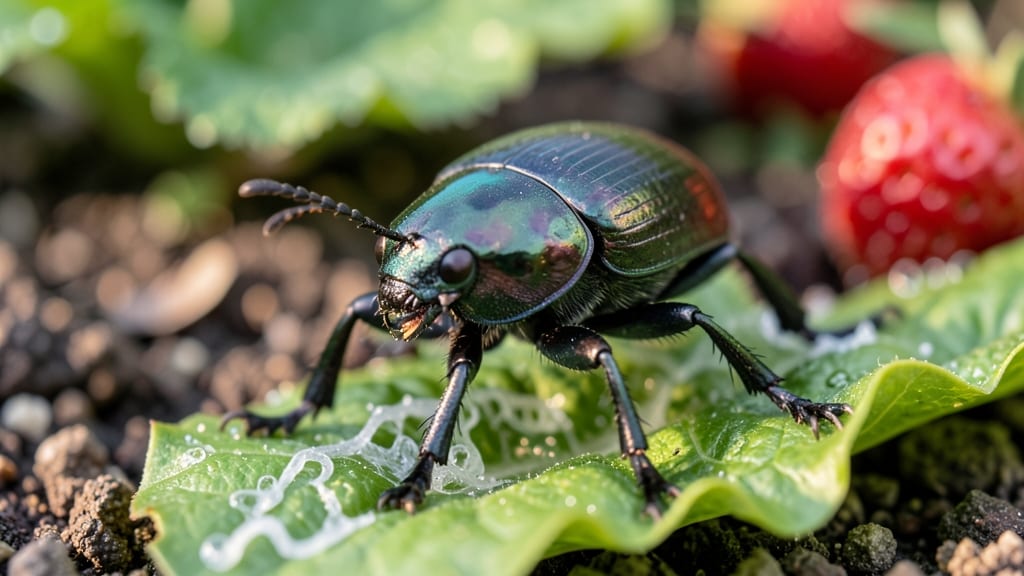
Here’s how to get rid of slugs in the garden naturally—my lettuce went from skeleton leaves to thriving greens overnight after I wrapped a copper barrier around my pots. The trick stopped them dead in their tracks—literally—without chemicals or traps. No more slimy trails or ragged leaves by morning.
It works because slugs hate copper’s electric charge. Wrap a strip around pots or create a ring in garden beds—no digging required. The best part? It’s pet-safe, plant-friendly, and lasts for years with minimal upkeep. Even my neighbor’s cats ignored it.
Within days, you’ll see fewer trails, more intact leaves, and a garden that stays slug-free without poison. The barrier keeps working through rain and sun, unlike beer traps that evaporate or attract pests.
For extra protection, pair it with diatomaceous earth around hostas or plant garlic nearby—slugs avoid both. Works in containers, raised beds, and in-ground gardens alike. Let’s reclaim your plants!
The Hidden Reasons Slugs Invade
Slugs don’t just randomly appear in your garden—they’re drawn by a mix of environmental factors, food availability, and even human habits. Understanding why these slimy pests show up is the first step to outsmarting them.
Below, we break down the key reasons slugs take over your garden, backed by science and real-world observations.
Slugs are obligate aerobes, meaning they need moisture to breathe through their skin. Without it, they dehydrate and die. That’s why they thrive in:
- Overwatered soil: Watering at night or using sprinklers creates a slug paradise. Slugs emerge after rain or irrigation because their bodies absorb water like sponges.
- Poor drainage: Gardens with compacted soil or clay retain moisture longer, giving slugs a permanent buffet. Fun fact: Slugs can detect humidity gradients and migrate toward damp areas.
- Dewy mornings: Slugs are most active at dawn when dew coats leaves and soil. This is why they leave silver trails—they’re following the moisture.
Actionable insight: If your garden stays soggy, slugs will too. Later, we’ll show you how to strike the right balance.
Slugs are generalist herbivores, meaning they’ll eat almost anything—especially tender, young plants. Their diet includes:
- Decaying organic matter: Rotten leaves, mulch, or compost piles are slug hotels. They hide in these spots during the day and raid your garden at night.
- Soft-stemmed plants: Lettuce, hostas, marigolds, and tomatoes are top targets because their flesh is easy to chew. Science note: Slugs lack teeth but have a rasping radula (a tongue-like structure) that grinds plant tissue.
- Fertilizer runoff: Excess nitrogen in soil makes plants more palatable to slugs. Think of it as a “slug superfood.”
Pro tip: 💡 If you notice slug damage on specific plants, they’re likely nesting nearby. Check under boards, rocks, or dense foliage.
Slugs are nocturnal for two key reasons:
- Predator avoidance: Birds, frogs, and beetles hunt slugs during the day. By night, slugs feel safer and emerge to feed.
- Moisture retention: Cool nights reduce evaporation, keeping their slimy bodies hydrated longer. Data point: Studies show slug activity peaks at 60–75°F (15–24°C) with high humidity.
This is why you’ll find chewed leaves in the morning but no slugs in sight—they’ve already retreated to hideouts like:
- Under pots or garden tools
- Inside thick mulch or bark
- Buried in soil crevices
Nighttime strategy: 🌙 Use glowing bait stations or copper tape (we’ll explain why it works in the next section) to disrupt their nightly raids.
Believe it or not, some of your gardening practices invite slugs. Here’s how:
| Your Action | Why Slugs Love It |
|---|---|
| Leaving fallen fruit/veggies | Slugs are drawn to fermenting organic matter, which attracts them like a dinner bell. |
| Using thick mulch without barriers | Mulch traps moisture and provides hiding spots. Slugs tunnel through it to reach your plants. |
| Ignoring weeds | Weeds like clover or creeping charlie are slug magnets. They offer both food and shelter. |
| Watering late in the day | Wet leaves and soil give slugs a highway to your prized plants. |
Quick fix: ✨ Rake up debris, water early in the day, and choose dry mulches like straw or gravel to deter slugs.
Slug populations explode under these conditions:
- Mild winters: Without freezing temperatures, slugs survive and reproduce year-round. Example: In the Pacific Northwest, slugs are active 12 months a year.
- Warm, rainy springs: Ideal for slug egg-laying. A single slug can lay 40–50 eggs in damp soil, hatching in 2–4 weeks.
- Drought followed by rain: Slugs emerge en masse after dry spells because their eggs need moisture to hatch.
Regional note: 🌡️ If you live in a humid subtropical or temperate oceanic climate (like the UK, Pacific Northwest, or Southeast U.S.), slugs are a year-round threat.
Natural Ways to Outsmart Slugs
Slugs may seem like a small nuisance, but their damage can add up quickly—chewed leaves, ragged petals, and even missing seedlings can turn your garden into a buffet for these slimy invaders. The good news?
You don’t need harsh chemicals to keep them at bay. Below, we’ve mapped out practical, natural solutions tailored to the most common causes of slug infestations, plus prevention tips to keep your garden slug-free long-term.
Slugs thrive in moist, shaded conditions, so if your garden feels like a swamp after rain or watering, they’ll move in fast. Drainage and airflow are your first line of defense.
- 🔥 Raise Plant Beds or Use Containers Elevate susceptible plants (like lettuce, hostas, or strawberries) in raised beds or pots to reduce soil moisture at their base. Slugs struggle to climb, so this alone can cut infestations by 50%.
- 🍳 Improve Soil Drainage Amend heavy clay or compacted soil with organic matter (compost, coconut coir, or perlite) to help water drain faster. A well-draining soil dries out between waterings, making it less inviting for slugs.
- ⏰ Water Smartly Water early in the morning (before 10 AM) so soil dries by evening. Avoid overhead sprinklers, which create a damp, slug-friendly environment. Drip irrigation is a game-changer for keeping foliage dry.
- 🌡️ Add Mulch Strategically Skip thick layers of organic mulch (like wood chips) near plants slugs love—opt for gravel, straw, or pine needles instead. These allow airflow while still suppressing weeds.
Slugs are nocturnal and leave a slime trail to navigate your garden. Disrupt their path with simple, DIY barriers.
- 🔪 Copper Tape or Wire Wrap copper tape, wire, or even old pennies around pots, raised beds, or vulnerable plants. The mild electric shock from copper repels slugs instantly—no chemicals needed! (Pro tip: 💡 Bend the copper slightly outward to create a better barrier.)
- 👨🍳 DIY Eggshell or Coffee Ground Ring Crush eggshells, coffee grounds, or crushed chalk into a 1-inch-wide ring around plants. Slugs hate the texture and avoid crawling over it. Refresh every few days after rain.
- 🥘 Wood Ash or Diatomaceous Earth Sprinkle a thin layer of wood ash (from untreated wood) or food-grade diatomaceous earth around plants. These abrasive powders dehydrate slugs on contact. ⚠️ Reapply after rain.
If slugs are already feasting, trap them using their own habits against them.
- 🍺 Beer Traps (Yes, Really!) Bury a shallow container (like a yogurt cup) filled with beer or stale beer-soaked cardboard near infested areas. Slugs are drawn to the yeast, crawl in, and drown. 💡 Empty and refill every 2–3 days for best results.
- 🥗 Cabbage or Lettuce Bait Stations Place rotting cabbage leaves, lettuce, or citrus peels in a shallow tray near slug hotspots. Check traps daily at dawn and dispose of slugs in soapy water.
- 🌙 Nighttime Flashlight Patrol Grab a flashlight and gloves after dark (slugs are most active then) and handpick slugs into a bucket of soapy water. It’s tedious but 100% effective for small gardens.
Let nature do the work! Birds, frogs, and beneficial insects love slugs for breakfast.
- 🐸 Attract Frogs and Toads Create a small pond or shallow water feature with smooth rocks for frogs to sunbathe. They’ll devour hundreds of slugs per season. 💡 Add a few marbles to the water to prevent tadpoles from drowning.
- 🐦 Install Birdhouses and Feeders Birds like robins, thrushes, and blackbirds feast on slugs. Plant native shrubs (like serviceberry or elderberry) to attract them year-round.
- 🐜 Encourage Ground Beetles and Nematodes Plant clover, yarrow, or dill to attract ground beetles, slug-eating superheroes. For a microscopic boost, apply beneficial nematodes (Phasmarhabditis hermaphrodita) to soil—they paralyze and kill slugs within days.
Once you’ve kicked slugs out, keep them from returning with these low-maintenance habits:
- ✨ Prune for Sunlight Slugs love shady, damp corners. Trim overgrown plants to increase airflow and sunlight, making your garden less appealing.
- 🌱 Choose Slug-Resistant Plants Swap vulnerable plants (like impatiens or delphiniums) for slug-deterring varieties:
- Vegetables: Kale, Swiss chard, radishes
- Flowers: Snapdragons, marigolds, zinnias
- Herbs: Rosemary, thyme, oregano
- 🌡️ Rotate Plant Locations Slugs remember favorite spots. Move annual plants each season to disrupt their patterns.
- 🎯 Monitor and Act Fast Check for slime trails or chewed leaves at dawn or dusk. Early action prevents full-blown infestations.
Final Thought: Slug control is less about elimination and more about making your garden unwelcoming to them. Combine barriers, predators, and smart watering, and you’ll enjoy a slug-free oasis without toxic sprays. 🚫🐌
Frequently asked questions
Why do slugs leave shiny trails in my garden?
Slugs produce mucus trails to help them glide smoothly and retain moisture. The shiny slime also contains pheromones that guide other slugs to food sources. You’ll notice these trails most after rain or in damp conditions—this is their way of navigating your garden at night.
Will copper tape really work against slugs?
Copper creates a mild electric charge when slugs touch it, which they find unpleasant. Wrap a 1-inch strip around pots or create a ring in garden beds. The barrier lasts years and needs no maintenance—just keep it clean. It’s pet-safe and works instantly on contact.
Can I use coffee grounds to deter slugs?
Yes, but use them sparingly! Sprinkle a thin layer around plants—slugs dislike the texture and caffeine. However, too much can make soil acidic. Mix with eggshells or sand for better results. Refresh after rain, as moisture washes it away.
Are beer traps humane for slugs?
Beer traps are not cruel—slugs are attracted to the yeast and drown accidentally. Use stale beer or non-alcoholic beer in shallow containers buried at soil level. Empty and refill every 2-3 days for best results. Just avoid using this near pets who might drink it.
How do I know if my plants are slug-damaged?
Look for irregular holes in leaves (not clean cuts like insects) and silver slime trails on surfaces. Slugs often target tender new growth, leaving ragged edges. Check under leaves and near soil—you might spot them feeding at night.