
How To
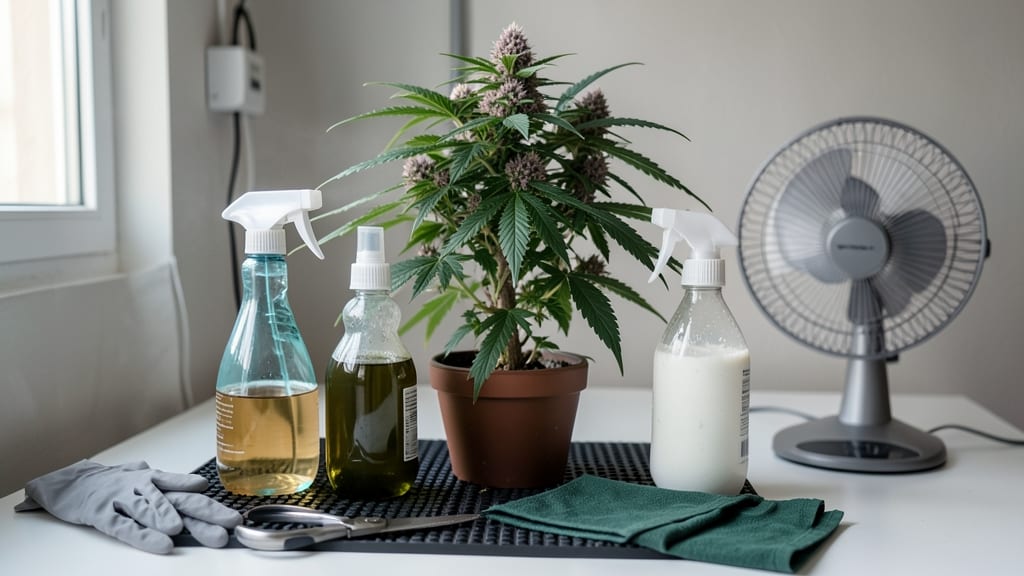
How to get rid of mold on cannabis plants before it ruins your harvest—boiling water is the fast, organic fix you need. 🌱 The method stops spores in their tracks without harsh chemicals that linger on your buds. I’ve saved multiple grows using this technique when humidity spikes or airflow fails, and it works whether you’re dealing with bud rot or powdery mildew.
The key is timing and precision: you need to catch mold early, before it spreads to the stems or flowers. Most growers panic and grab sprays first, but boiling water creates a sterile barrier that smothers spores on contact.
It’s not just about dumping hot water—it’s about targeting the right spots (leaf undersides, joints, and dense bud clusters) without scorching your plants. One wrong move, and you’ll shock the plant instead of saving it.
Within 24 hours of treatment, you’ll see new growth pushing through unaffected, and the mold will stop advancing. The best part? No residue means you can harvest treated plants safely, unlike with chemical sprays. For recurring mold, we’ll also cover airflow fixes and humidity control—because prevention is the real game-changer.
This method works for any cannabis grower, from closet cultivators to large-scale operations. The tools you need are simple: a kettle, protective gloves, and a spray bottle. Let’s get your plants back to thriving before the next flush cycle.
Hidden Triggers Behind Cannabis Mold
Mold isn’t just a random nuisance—it thrives when specific conditions align like a perfect storm. Understanding the root causes of mold on cannabis plants is the first step to preventing and eliminating it.
Below, we break down the science behind why mold takes hold, so you can tackle it head-on with precision.
Mold spores (Aspergillus, Penicillium, and Botrytis are common culprits) need moisture to germinate and spread. Cannabis plants are particularly vulnerable because:
- High humidity (above 60%) creates a damp environment where spores land and grow rapidly. Think of it like a sponge—your plants absorb moisture, but so do mold spores.
- Poor air circulation traps humidity near leaves and buds, turning them into ideal breeding grounds. Stagnant air = mold’s best friend.
- Overwatering or wet foliage leaves water droplets on leaves, which act as tiny incubators for spores. Even a single overnight dew can kickstart mold growth.
Pro Tip: 🌡️ Use a hygrometer to monitor humidity—keep it between 40-55% during flowering to starve mold of its favorite condition.
Mold loves moderate temperatures (between 60-80°F), but sudden shifts create the perfect chaos for spores:
- Cool nights + warm days cause condensation on leaves, mimicking a rainforest’s humidity levels—mold’s dream scenario.
- Poor ventilation lets heat and moisture build up, raising the indoor "microclimate" temperature and humidity simultaneously.
- Cold stress (e.g., drafts from AC vents or open windows) weakens plant defenses, making them easier targets for mold spores floating in the air.
Actionable Fix: ✨ Use fans to create airflow and maintain consistent temps (ideally 70-78°F during veg, 60-70°F during flower).
Stagnant air isn’t just uncomfortable—it’s a mold incubator. Here’s why:
- CO₂ buildup from poor ventilation slows plant transpiration (water evaporation), keeping leaves damp longer.
- Spores linger in still air, increasing the chance they’ll land and colonize on your plants.
- Bud sites stay humid because airflow isn’t drying them out, creating the perfect moist environment for Botrytis (gray mold) to take root.
Quick Test: 🔥 Run your hand between plants—if you feel resistance or can’t move air easily, your setup needs more ventilation.
Stressed cannabis plants are like open doors for mold. Common stressors include:
- Nutrient deficiencies (e.g., low nitrogen or calcium) weaken cell walls, making plants more susceptible to fungal invasion.
- Physical damage (e.g., rough handling, pests, or over-pruning) creates entry points for spores.
- Light stress (too much light, wrong spectrum, or inconsistent cycles) burns leaves, creating wounds where mold can latch on.
Prevention Tip: 💪 Keep plants healthy with balanced nutrients, gentle handling, and proper light schedules (18/6 veg, 12/12 flower).
Mold spores are ubiquitous—they float in the air, hide in soil, and even hitchhike on tools or clothing. Your grow space can become a reservoir if:
- Old grow medium (soil, coco, or hydro) harbors dormant spores that reactivate when conditions are right.
- Reused containers or tools transfer spores from one plant to another.
- Outdoor grows expose plants to spores from soil, air, or nearby decaying organic matter.
Cleanup Alert: 🧼 Sterilize tools with 70% isopropyl alcohol and replace contaminated grow medium if mold is already present.
Now that you know why mold strikes, the next step is stopping it in its tracks—or smothering it fast with the boiling water barrier method. Stay tuned!
Fixing Mold on Cannabis Naturally
Mold on cannabis can feel like a nightmare, but the good news is that you can tackle it effectively with the right approach. Below, we break down cause-specific solutions—from quick fixes to long-term prevention—so you can save your plants and keep your grow space healthy.
If mold appears due to excess moisture in the air, act immediately to reduce humidity and prevent spores from spreading.
🔥 Step 1: Increase Airflow
- Use oscillating fans or exhaust fans to circulate air and dry out the grow space.
- Aim for 10+ air exchanges per hour (open vents, adjust vents, or add a small AC unit if needed).
🍳 Step 2: Dehumidify the Space
- Run a dehumidifier (or even a bowl of rice in a small tent) to absorb excess moisture.
- Keep humidity below 50%—ideally 45-55% during flowering.
👨🍳 Step 3: Isolate Affected Plants
- Move infected plants to a separate, well-ventilated area to stop spores from contaminating others.
- Do not fan directly on moldy buds—this spreads spores.
✨ Prevention Tip:
- Use a hygrometer to monitor humidity in real time.
- Mist plants in the morning (not at night) to allow foliage to dry before darkness.
If mold forms from soggy soil or waterlogged roots, drainage and watering habits need an overhaul.
🔥 Step 1: Stop Watering Immediately
- Let the soil dry out completely before watering again.
- Use the finger test—stick your finger 1-2 inches deep; if damp, wait.
🍳 Step 2: Improve Drainage
- Repot in well-draining soil (mix in perlite, coco coir, or worm castings).
- Ensure pots have drainage holes—no exceptions!
👨🍳 Step 3: Boost Root Health
- Flush the soil with hydrogen peroxide (3%) to kill mold spores without harming roots.
- Add mycorrhizal fungi or beneficial bacteria to outcompete mold.
🎯 Prevention Tip:
- Water only when the top inch of soil is dry (use a spray bottle for seedlings).
- Bottom-water plants to prevent overhead moisture on leaves.
Mold thrives in cool, damp conditions—if your grow space swings between hot and cold, spores get a foothold.
🔥 Step 1: Keep Temps Consistent
- Ideal range: 70-85°F (21-29°C) during the day, 60-70°F (15-21°C) at night.
- Use a space heater (for cold climates) or AC unit (for hot climates).
🍳 Step 2: Avoid Cold Drafts
- Keep plants away from windows, doors, and AC vents.
- Use thermal curtains to regulate temperature swings.
👨🍳 Step 3: Use a Heat Mat (For Seedlings)
- If starting seeds indoors, a heat mat prevents cold soil from slowing growth and inviting mold.
💡 Pro Tip:
- Never let condensation build up on tent walls—wipe it down daily.
- Consider a small greenhouse with a vent fan for better climate control.
If mold keeps coming back despite fixes, hidden spores or contaminated tools may be the culprit.
🔥 Step 1: Sterilize Your Grow Space
- Wipe down tables, shelves, and tools with rubbing alcohol (70%+) or bleach solution (1:10 ratio).
- Do not use bleach on live plants—it burns them.
🍳 Step 2: Quarantine & Treat Infected Plants
- For mild mold: Spray with neem oil + hydrogen peroxide (1:1 ratio).
- For severe mold: Remove affected buds and leaves (do not compost—bag and dispose).
👨🍳 Step 3: Boost Plant Immunity
- Feed with silica-rich supplements (like kelp meal) to strengthen cell walls.
- Use baking soda spray (1 tsp per gallon of water) as a preventive fungicide.
🔪⏰ Emergency Fix: Boiling Water Barrier (Your Secret Weapon) If mold spreads fast, create a boiling water barrier:
- Boil 1-2 cups of water in a pot.
- Pour it around the base of the plant (not directly on buds).
- The steam kills spores on contact while preserving your plant.
- Repeat every 2-3 days until mold disappears.
✨ Prevention Tip:
- Disinfect tools after every use—even scissors can harbor spores.
- Replace old grow media every 6-12 months to prevent buildup.
To keep mold gone for good, follow this grower’s shield: ✅ Humidity: 45-55% (use a dehumidifier if needed). ✅ Airflow: Fans running 24/7 (even at night). ✅ Watering: Bottom-water or use a drip system—never overhead. ✅ Cleanliness: Sterilize tools weekly and wipe surfaces monthly. ✅ Monitoring: Check plants daily for early signs (white fuzz = act now!).
Final Thought: Mold doesn’t stand a chance when you combine airflow, dry conditions, and quick action. Start with the fixes above, and your cannabis will stay clean, healthy, and thriving—no mold in sight! 🚀
Frequently asked questions
Can I still harvest cannabis buds that had mold but were treated?
Only if the mold was caught early and treated properly. Remove any visibly moldy buds or leaves immediately—they can't be saved. For treated plants, check for 1-2 weeks to confirm no new mold appears. If the plant shows no fresh signs, you can harvest the clean buds, but trim aggressively to avoid any hidden contamination.
Will boiling water hurt my cannabis plant if I use it wrong?
Yes, but only if you pour it directly on leaves or buds. The key is to pour boiling water around the base of the plant (not on foliage) to create a steam barrier. If you accidentally splash it on leaves, wipe gently with a damp cloth immediately. Avoid using boiling water on seedlings—their delicate stems can't handle the heat.
How do I know if my cannabis mold is bud rot vs. powdery mildew?
Bud rot (often Botrytis) appears as gray, fuzzy patches that spread quickly, especially in dense buds. Powdery mildew looks like white or gray powder on leaf surfaces. Check the environment: bud rot thrives in high humidity (70%+), while powdery mildew prefers moderate humidity (50-60%). Both need airflow fixes, but bud rot requires more urgent action.
Can I use hydrogen peroxide on my cannabis plants to prevent mold?
Yes, but dilute it properly! Mix 1 part 3% hydrogen peroxide with 3 parts water and spray lightly on leaves (avoid buds). This kills spores on contact without harming plants. For prevention, apply it once every 2 weeks during flowering. Never use full-strength hydrogen peroxide—it will burn your plants.
What's the fastest way to check if my grow room has hidden mold spores?
Use the tape test: Press clear tape on surfaces (tables, tent walls) and check under a microscope or bright light. If you see black or white specks, spores are present. For a quicker (but less precise) method, place a petri dish with damp paper in your grow for 24 hours. If mold grows, your space needs sterilization.