
How To
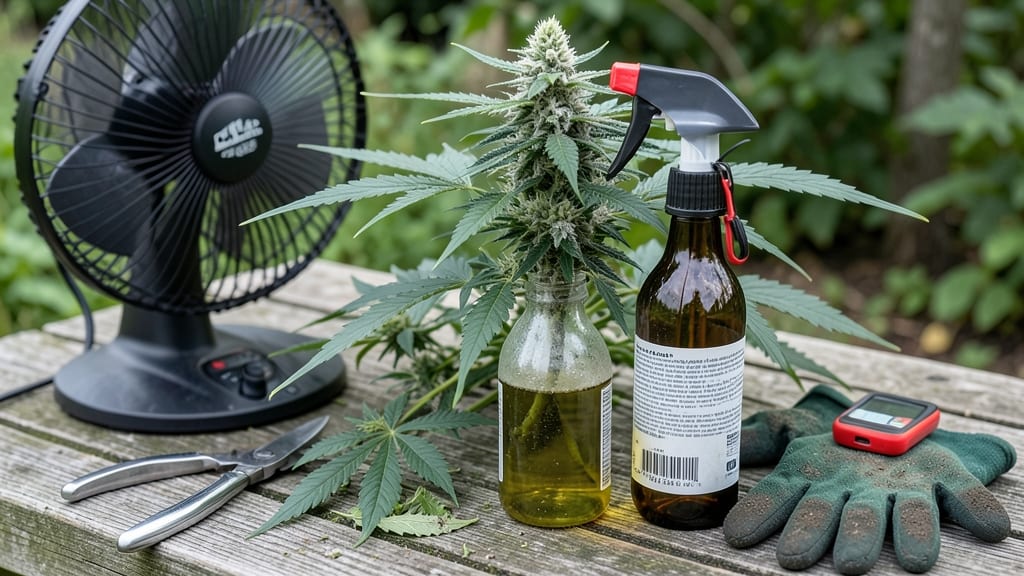
How to get rid of mold on weed plants—before it turns your lush buds into a disastrous mess—requires fast action. 🌱 I’ve seen entire harvests ruined by fuzzy white or green spots, but there’s hope: with the right moves, you can revive plants and prevent future outbreaks. The key is acting quickly before mold spreads to stems or roots.
Most mold (like bud rot or powdery mildew) thrives in humid, stagnant air—common in grow tents or dense foliage. Poor airflow, overwatering, or even contaminated tools can trigger outbreaks. The good news?
Fixing it is simpler than you think: adjust humidity, prune infected areas, and boost ventilation. Organic options like neem oil or hydrogen peroxide work too, but timing matters.
Within 3-5 days of treatment, you’ll see fresh growth if the roots are still healthy. Focus on prevention next: use fans, space plants properly, and avoid wetting leaves during watering.
If mold keeps returning or spreads aggressively, it’s time to call a pro—some strains need stronger fungicides or a full reset.
This isn’t just about saving a harvest—it’s about long-term plant health. Moldy buds mean weak resin, lower potency, and a higher chance of mold in future grows. Let’s turn this around before your next flush.
Root Causes Of Mold On Cannabis
Mold isn’t just an unsightly nuisance—it’s a silent threat to your cannabis plants, capable of ruining weeks (or even months) of hard work in a matter of days. Understanding why mold takes hold on your weed plants is the first step to preventing it.
Below, we break down the real culprits behind mold growth, from environmental factors to plant physiology, so you can address the problem at its source.
Mold spores thrive in damp, stagnant conditions—think of them as tiny, opportunistic invaders waiting for the perfect storm. Cannabis plants naturally release moisture through transpiration, especially during flowering, but if humidity levels exceed 60% (or 50% for some strains), you’re creating an ideal breeding ground.
Poor airflow traps moisture around leaves and buds, preventing evaporation and leaving surfaces damp for extended periods.
🔬 Why it happens:
- Excessive humidity (often from overwatering, lack of dehumidifiers, or closed grow spaces) keeps surfaces wet, allowing spores to germinate.
- Stagnant air prevents CO₂ and moisture exchange, creating microclimates where mold spores land and multiply.
- Dense foliage (common in late-stage flowering) blocks airflow, trapping humidity near buds—the most valuable (and vulnerable) part of your plant.
💡 Pro tip: Use a hygrometer to monitor humidity and aim for 45-55% during veg and 40-50% during flower. Add oscillating fans or increase air exchange to keep humidity in check.
Water is mold’s best friend. When you overwater cannabis, excess moisture lingers on leaves, stems, and soil, creating a film that spores can latch onto. Even a single drop of water sitting on a leaf for more than 24 hours can trigger mold growth.
Worse yet, soggy soil promotes root rot, weakening the plant’s defenses and making it more susceptible to fungal infections.
🔬 Why it happens:
- Overwatering (watering on a schedule rather than by soil moisture) keeps roots and foliage saturated.
- Poor drainage in pots or grow trays prevents excess water from escaping, leading to waterlogged soil.
- Morning watering (especially in humid climates) leaves leaves wet as temperatures rise, extending moisture exposure.
- Fogging or misting (common in hydroponic setups) can create a fine water mist that encourages spore germination.
💡 Pro tip: Water deeply but infrequently, and always in the morning. Use well-draining soil mixes (like 60% perlite/40% coco coir) and pots with drainage holes. Avoid overhead watering—stick to a bottom-watering or drip irrigation system instead.
Mold spores are everywhere—in the air, on surfaces, and even in your grow room. While cannabis plants are resilient, they’re not immune to fungal invasions. If spores land on a plant with weak defenses (due to stress, poor nutrition, or excess moisture), they can germinate and spread rapidly.
Outdoor grows are especially vulnerable to airborne spores from soil, decaying organic matter, or neighboring infected plants.
🔬 Why it happens:
- Unfiltered air allows spores from outdoor environments (or even your HVAC system) to infiltrate your grow space.
- Old or dirty grow equipment (like fans, lights, or reflective surfaces) can harbor spores and spread them to plants.
- Cross-contamination from infected plants, tools, or even your hands (if you’ve touched moldy surfaces).
- Sudden temperature drops (like opening vents or doors) can introduce spores from cooler, damper outdoor air.
💡 Pro tip: Use HEPA air filters or carbon filters to reduce spore load. Sterilize tools with 70% isopropyl alcohol and avoid bringing outdoor items (like shoes or clothing) into your grow space. If you’ve had mold before, deep-clean your grow room with a 10% bleach solution (1 part bleach to 9 parts water).
Stressed cannabis plants are like open doors for mold. When your plants are nutrient-deficient, pest-ridden, or struggling with environmental shocks (like temperature swings or light burn), their natural antifungal compounds weaken. This leaves them vulnerable to fungal attacks, allowing mold to colonize faster and spread more aggressively.
🔬 Why it happens:
- Nutrient deficiencies (especially calcium, magnesium, or potassium) weaken cell walls, making them easier targets for spores.
- Pests (like spider mites or aphids) damage leaves, creating entry points for mold spores and leaving behind sticky honeydew that promotes fungal growth.
- Light stress (from too much heat or UV exposure) burns foliage, creating wounds where mold can take hold.
- Temperature fluctuations (especially cold nights followed by warm days) shock plants, reducing their resistance.
💡 Pro tip: Keep your plants healthy with balanced nutrients (use a pH-balanced hydroponic or soil nutrient mix) and monitor for pests weekly. Maintain stable temperatures (70-85°F during day, 58-70°F at night) and avoid sudden changes. If you notice stress symptoms (yellowing, curling, or stunted growth), address them immediately.
A dirty grow space is a mold magnet. Organic matter like fallen leaves, dead buds, or even dust can harbor spores and provide a food source for fungal growth.
If your grow room isn’t regularly cleaned and sanitized, spores can persist between harvests, reinfecting new plants as soon as conditions become favorable.
🔬 Why it happens:
- Accumulated organic debris (like dead leaves or spilled nutrients) decomposes, releasing moisture and nutrients that fuel mold.
- Unsterilized grow surfaces (tables, shelves, or pots) can harbor dormant spores that reactivate when conditions are right.
- Lack of UV sterilization allows spores to survive between grows, especially in enclosed spaces.
- Improper waste disposal (like composting moldy plant material) can spread spores back into your grow environment.
💡 Pro tip: Clean your grow room between harvests—wipe down surfaces with a bleach solution, vacuum debris, and consider UV-C light sterilization for air and surfaces. Store tools and equipment in sealed containers, and never compost moldy plant material—dispose of it in sealed bags instead.
Fixing Moldy Cannabis: Step-by-Step Solutions
Mold on your weed plants isn’t just an eyesore—it’s a silent harvest killer. But don’t panic! With the right approach, you can save your plants, restore their health, and even prevent future outbreaks.
Below, we’ve mapped common causes to targeted fixes, plus pro tips to keep mold at bay for good.
---
Cause: Stagnant air (80%+ humidity) traps moisture, creating the perfect mold buffet. Fix: - 🔥 Increase airflow immediately – Use fans (oscillating or clip-on) to circulate air around plants. Aim for 10–20% fresh air exchange per hour in your grow space. - 🌡️ Lower humidity – Run a dehumidifier (or DIY with silica gel packs) to drop levels to 45–60% during veg and 40–50% in flower. - 💡 Pro Tip: Place a hygrometer near plants to monitor levels in real time. If humidity spikes at night, consider exhaust fans on a timer.
---
Cause: Soggy soil or trays = mold’s favorite breeding ground. Fix: - 👨🍳 Check soil moisture – Stick your finger 1–2 inches deep. Water only if the top layer is dry. Bottom watering (placing pots in a tray of water for 10–15 mins) reduces overhead moisture. - 🔪 Improve drainage – Repot in well-aerated mixes (60% coco coir, 30% perlite, 10% worm castings) or add hydroton beads to soil. Ensure pots have drainage holes. - ⏰ Adjust watering schedule – Switch to a drip irrigation system or water early in the day so foliage dries faster.
---
Cause: Poor light penetration and dense foliage trap moisture. Fix: - 🔥 Prune aggressively – Trim yellowing or moldy leaves (use sterilized scissors) and thin out lower branches to improve airflow. Focus on removing leaves touching the floor or walls. - 🌿 Space plants properly – Aim for 12–18 inches between plants (adjust based on strain). Use reflectors or LED grow lights to ensure even light distribution. - 💡 Pro Tip: Top-heavy plants? Stake or trellis them to prevent branches from touching each other.
---
Cause: Existing mold spores (from soil, air, or tools) spread to healthy plants. Fix: - 🧴 Spray with natural fungicides (mix 1 tsp hydrogen peroxide + 1 tsp baking soda + 1 quart water). Spray undersides of leaves (where mold hides) and repeat every 3–5 days until gone. - 🔪 Sterilize tools & hands – Wipe scissors, pruners, and gloves with 70% isopropyl alcohol before and after use. - 🌡️ Heat treatment (for soil) – Bake contaminated soil at 180°F for 30+ minutes to kill spores. OR use steam sterilization (wrap soil in a towel, steam for 1 hour).
--- Once you’ve tackled the current outbreak, lock it out for good with these habits: ✅ 🌡️ Maintain ideal temps – 70–80°F (day), 60–70°F (night).
Avoid cold drafts near plants. ✅ 💨 Use an air purifier – HEPA filters reduce airborne spores (especially in small grows). ✅ 🍃 Rotate plants weekly – Prevents one side from getting "stale" air. ✅ 🌱 Quarantine new plants – Keep them separate for 2–4 weeks to spot mold early. ✅ 🧼 Clean grow space monthly – Wipe down walls, shelves, and floors with vinegar or bleach solution (1:10 ratio).
--- If 50%+ of buds are moldy or roots are mushy, it’s often safer to flush and restart with fresh soil. Never smoke moldy weed—it can cause respiratory issues (even if trimmed).
--- 🎯 Bottom Line: Mold is beatable—act fast, adjust airflow/humidity, and stay vigilant. With these fixes, your plants will bounce back stronger, and your next harvest will stay clean and potent. 🚀
Frequently asked questions
Can I still save my weed plants if mold has already spread to the buds?
It depends on how severe it is. If only 10-20% of buds are affected, you can trim the moldy sections and treat the plant with hydrogen peroxide spray (3%) or neem oil. However, if 50%+ of buds are moldy, it’s safer to harvest what you can and restart with fresh plants. Moldy buds can’t be fully cleaned and may contain harmful mycotoxins.
How quickly can mold spread on cannabis plants?
Mold can spread within 24-48 hours if conditions (high humidity + poor airflow) remain ideal. You’ll first see fuzzy white, green, or black spots on leaves, then buds. Act fast—remove infected parts immediately and increase airflow to stop its progress. The sooner you intervene, the better your chances of saving the plant.
Is it safe to smoke weed that had mold but was trimmed?
No, never smoke moldy weed—even after trimming. Mold spores and mycotoxins can remain on buds, even if invisible. These toxins can cause respiratory issues, nausea, or worse. Always discard heavily moldy plants and focus on preventing future outbreaks with better airflow and humidity control.
What’s the best natural remedy for mold on cannabis?
A hydrogen peroxide + baking soda mix (1 tsp each per quart of water) is the most effective natural treatment. Spray it on undersides of leaves (where mold hides) and repeat every 3-5 days until gone. For soil, steam sterilization (180°F for 30+ mins) kills spores without chemicals. Always sterilize tools between uses!
Will a dehumidifier alone fix mold on my plants?
A dehumidifier helps but isn’t enough by itself. You must also increase airflow with fans and remove moldy plant material. Aim for 40-50% humidity during flowering and 45-60% during veg. Without airflow improvements, stagnant air will keep spores alive even if humidity drops.