
Size
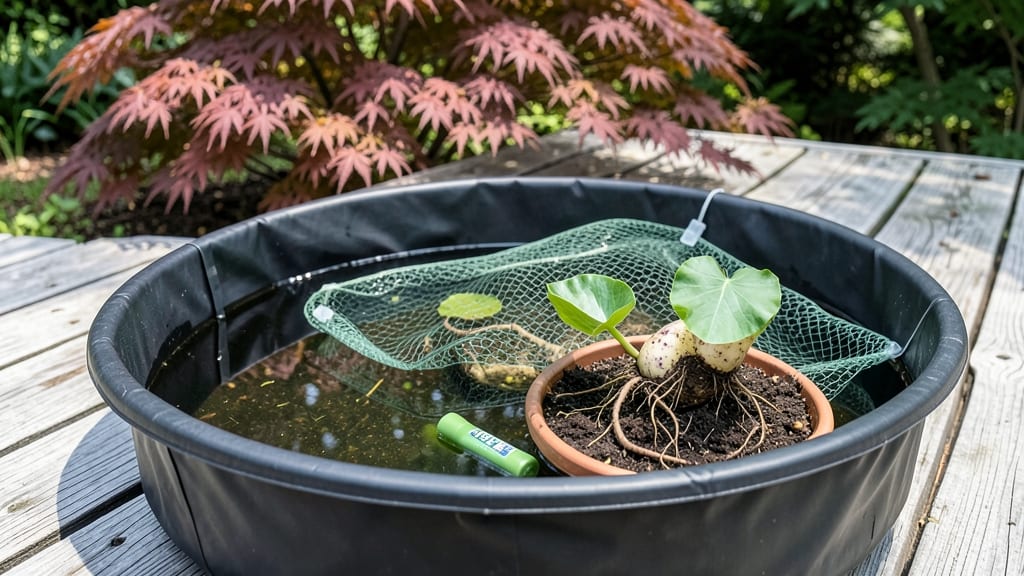
How to grow a water lily in your pond transforms it into a serene, sun-dappled oasis. 🌸 I’ve planted mine in 3-4 feet of water, where they spread lush pads and burst with blooms all summer—with almost no effort after the first setup. The key isn’t fancy equipment but matching the right variety to your pond’s size and sunlight. Most beginners overthink depth and sunlight, but water lilies are forgiving. Tropical types need 6+ hours of sun and warmer water, while hardy varieties thrive in cooler climates with 4-5 hours. A simple pond thermometer and a basic water test kit are all you’ll need to keep them happy. By midsummer, your pond will be a floating garden—fragrant blooms, shade for fish, and a natural filter for algae. The pads even deter mosquitoes while keeping the water cool. Maintenance is minimal: trim spent blooms, fertilize occasionally, and watch them multiply. Works for any pond size, from small koi ponds to backyard water gardens. Here’s how to get started without the guesswork!
📚 In This Guide
- What you need
- Instructions
- Tips and common mistakes
- Wrapping up and next steps
What you need
- ● Water lilies: Choose hardy varieties like Nymphaea odorata (fragrant) or Nymphaea 'James Brydon' (large blooms). Buy 3–5 plants per 100 sq. ft. of pond surface for full coverage.
- ● Pond: Minimum 12–18 inches deep (deeper for tropical varieties) with soft, muddy bottom soil (or add aquatic plant substrate if needed).
- ● Containers: 1–2 heavy ceramic or plastic pots per plant (12–18" diameter, with drainage holes).
- ○ Water-permeable mesh or coconut fiber pots (optional but helps prevent root rot).
- ● Gravel or small rocks: 2–3 lbs per pot to anchor plants and improve stability.
- ● Pond soil or aquatic fertilizer: 1–2 cups per pot (high in iron and potassium, like Miracle-Gro Water Plant Food).
- ● Water: Dechlorinated (use a dechlorinator or let tap water sit for 24 hours).
- ○ Pond thermometer: (Optional but helpful for tropical varieties—keep water 60–85°F).
- ● Floating plant fertilizer tablets: Slow-release tabs (e.g., Aquascape Plant Tabs) for nutrient boosts.
- ● Pond net or barrier: Protects lilies from fish or wind during early growth.
- ● LED pond lights: Enhances nighttime beauty (choose waterproof, low-voltage options).
- ● Barley straw: Natural algae inhibitor (add 1–2 lbs per 100 sq. ft.).
- ● Water lily support stakes: For tall varieties (e.g., Nymphaea 'Alba').
Step-by-step instructions for growing water lilies in your pond
Here’s how to transform your pond into a serene aquatic garden with these stunning, low-maintenance plants.
🪴 Step 1: Select the Right Water Lily Varieties and Planting Depth
Water lilies thrive when planted at the correct depth—tropical varieties need 12-18 inches of water, while hardy types can handle 18-24 inches. Check your pond’s depth and choose plants labeled for that range. I always opt for hardy lilies (like Nymphaea odorata) for cooler climates—they bloom earlier and survive winter better. Avoid overcrowding: space 4-6 feet apart for small varieties, up to 8 feet for large ones.
If your pond is shallower than 12 inches, use floating baskets with adjustable weights to lower the plants to the right depth. The roots need darkness to thrive, so avoid planting in bright, shallow areas where sunlight might reach them. You’ll know you’ve got the depth right when leaves stay submerged but flowers float just above the surface.
🌱 Step 2: Prepare the Planting Baskets and Soil
Fill plastic planting baskets (with drainage holes) with a mix of 50% aquatic soil and 50% organic matter—I use coco coir or peat moss for moisture retention. Add a slow-release aquatic fertilizer tab (like Osmocote) to the soil mix to feed the roots for months. This ensures steady growth without frequent top-dressing. Press the soil lightly but don’t compact it—roots need air too.
Place the water lily’s bare-root crown (the thick, knobby base) just 1 inch below the soil surface. The roots should spread outward naturally, not be buried deep. If your lily comes in a pot, remove it carefully and trim any mushy or blackened roots with clean scissors before planting. This prevents rot and encourages healthy regrowth.
💧 Step 3: Plant and Secure in the Pond
Lower the basket into the pond using a floating rope or chain attached to a weighted anchor (like a brick or metal chain). The rope should be long enough to adjust the plant’s depth as it grows. Submerge the basket until the top of the soil is just below the water’s surface—this mimics natural conditions and prevents soil erosion. Gently press the basket into place so it doesn’t float away.
Watch for new leaves emerging in 2-4 weeks—this signals successful planting. If leaves appear yellow or wilted, the plant may be too deep or the soil too dense. Adjust the depth gradually (a few inches at a time) until the lily thrives. Avoid moving the plant once established; water lilies resent disturbance and can take weeks to recover.
☀️ Step 4: Provide Sunlight and Maintenance for Blooms
Water lilies need 6-8 hours of direct sunlight daily for vibrant blooms. If your pond is shaded, choose low-light varieties like Nymphaea ‘Helvola’ or supplement with a pond light (like a solar-powered LED). You’ll see the difference in flower size and frequency—plants in full sun produce larger, more abundant blooms than those in shade.
Remove spent blooms (deadhead) to encourage new flowers and keep the pond tidy. In late fall, bring tropical varieties indoors to a cool, dark basement (around 40-50°F) until spring. Hardy lilies can stay in the pond year-round—their roots will rest underwater until spring warmth triggers regrowth. Fertilize in early spring with another tab of slow-release fertilizer to jumpstart the season.
⏰ Step 5: Overwintering and Long-Term Care
For tropical lilies, cut back foliage to 2-3 inches above the soil in late fall and store the baskets in a pond or bucket of water (never let them dry out). Keep them in a cool, dark place until late spring, when you’ll replant them as temperatures rise above 60°F. Hardy lilies, however, stay in the pond—their roots survive winter’s chill, and you’ll spot new shoots in early spring.
Check baskets annually for root-bound plants (roots circling the basket). If you see this, divide the clump in early spring, replant half, and pot up the other half to sell or share. This rejuvenates growth and prevents decline. With proper care, a single water lily can double in size every few years, turning your pond into a lush, floating garden in just a season.
Tips & tricks for perfect water lily planting
Transforming your pond into a lush aquatic garden starts with these essential insights—trust me, they'll save you time and frustration.
Depth is Everything: The 12-18 inch depth range for tropical lilies isn't arbitrary—it's where their roots find the perfect balance of darkness and oxygen. If your pond varies in depth, use adjustable baskets with chain weights to fine-tune placement. I've seen beginners overcorrect by burying plants too deep; remember, leaves should stay submerged while flowers float just above the surface. This visual cue is your golden rule for ideal planting.
Soil Science Matters: That 50/50 mix of aquatic soil and organic matter isn't just random—it creates the perfect air-water balance for roots. For extra insurance, I add perlite or vermiculite (about 10% of the mix) to prevent compaction. When placing the bare-root crown 1 inch below soil, think of it as creating a cozy burrow where roots can spread naturally without suffocation. The key is gentle pressure, not packing like you're filling a sandbox.
Sunlight Strategy: Those 6-8 hours of direct sunlight aren't just a suggestion—they're non-negotiable for vibrant blooms. If your pond gets less light, consider low-light varieties like Nymphaea 'Helvola' or supplement with solar-powered pond lights placed strategically. I've noticed that even partial shade can reduce flower size by 40% or more, so position your lilies where they'll get maximum exposure. And here's a pro move: rotate baskets occasionally to ensure even sunlight distribution.
Winter Wisdom: For tropical varieties, that 40-50°F basement storage is critical—it mimics their natural dormant period. I've ruined several lilies by storing them too warm or letting them dry out, so always keep baskets in water and maintain consistent moisture. When spring arrives and temperatures hit 60°F, you'll see dramatic regrowth within 2-3 weeks if you've followed the winter care properly. This seasonal cycle is what makes water lilies so rewarding to grow.
Pro Tips for Grow Water Lily In Pond
- Transforming your pond into a lush aquatic garden starts with these essential insights—trust me, they'll save you time and frustration.
- Depth is Everything: The 12-18 inch depth range for tropical lilies isn't arbitrary—it's where their roots find the perfect balance of darkness and oxygen.
- Soil Science Matters: That 50/50 mix of aquatic soil and organic matter isn't just random—it creates the perfect air-water balance for roots.
Frequently asked questions
Got questions about growing water lilies? You’re not alone!
Here are some of the most common queries—and their straightforward answers—to help you cultivate stunning aquatic beauty with confidence.
How deep should the water be for water lilies?
Water lilies thrive in 12–24 inches of water, depending on the variety. Hardy types (like Nuphar) tolerate shallower depths, while tropical lilies (like Nymphaea) need deeper water (18–24 inches). Always check the plant tag for specifics—too shallow, and roots may dry out; too deep, and growth slows.
When is the best time to plant water lilies?
Plant in early spring (after last frost) or late summer/early fall (before water temps drop below 60°F). Avoid winter planting—they won’t survive freezing. For tropical varieties, wait until the water is at least 65°F to prevent shock.
Will water lilies attract pests or wildlife?
Water lilies are low-maintenance when it comes to pests, but they do attract beneficial wildlife like bees, dragonflies, and frogs. Avoid pesticides—focus on balanced fertilization (e.g., aquatic plant tabs) to keep them healthy. Snails and fish may nibble leaves, but this is usually harmless.
Can water lilies survive winter in cold climates?
Hardy varieties (like Nuphar luteum) overwinter in USDA Zones 3–11, but tropical lilies (Nymphaea) need protection. In cold zones, bury pots in 1–2 feet of soil or use a pond heater. In milder climates, leave them in the pond—they’ll re-emerge in spring.
What if my water lily leaves turn yellow?
Yellow leaves often signal nutrient deficiency, overcrowding, or poor water quality. Try these fixes:
- Fertilize with aquatic plant tabs or slow-release pellets.
- Thin out overgrown rhizomes to improve airflow.
- Test water for pH (ideal: 6.0–7.5) and add beneficial bacteria if needed.
Wrapping up and next steps
Growing water lilies in your pond is a rewarding journey that transforms a simple water feature into a breathtaking natural oasis—with just the right balance of patience and care. 🌸 From selecting the perfect variety to mastering sunlight, depth, and fertilization, each step brings you closer to stunning blooms that’ll make your pond the envy of the neighborhood. Now that you’re armed with the know-how, why not dive in?
- Next up: Grab your gloves, pick a sunny spot, and plant those tubers—your pond’s new centerpiece is waiting!
- Pro tip: Snap a photo of your first bloom and tag us—we’d love to see your aquatic masterpiece! 📸