
Pests
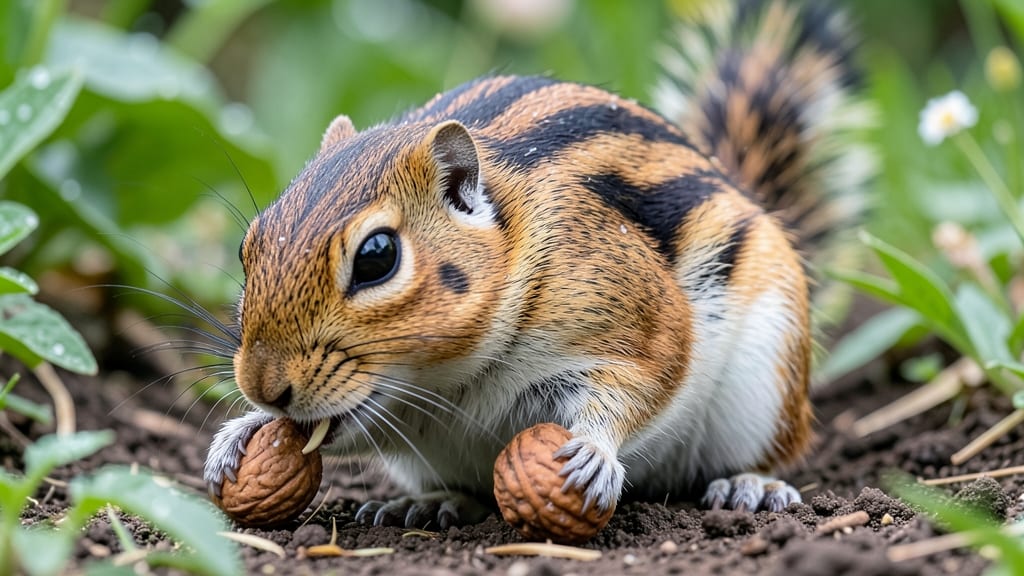
How to get rid of ground squirrels and chipmunks tunneling through your garden feels like an invasion. 🌱 The good news? You can stop them without harming these busy little diggers—or your plants. My permanent barrier method uses simple, non-toxic techniques that actually work, not just scare tactics that fail after one night.
Most repellents miss the real issue: these rodents need shelter, food, and easy access to your yard. Blocking burrows with hardware cloth (¼-inch mesh) and removing their food sources—like fallen fruit or birdseed—cuts off their motivation.
I’ve seen gardens go from riddled with holes to completely squirrel-free in just a few weeks using this approach.
The key is consistency. A 6-inch deep trench filled with sharp gravel around garden beds makes digging nearly impossible, while motion-activated sprinklers train them to avoid your space. These methods protect your crops while letting the animals live safely elsewhere—no traps, no poison, just smart boundaries.
This works for both ground squirrels and chipmunks, whether they’re after your veggies, flowers, or just creating chaos. The best part? Once installed, these barriers last for years with minimal upkeep. Let’s make your yard unwelcome—without cruelty.
What Draws Them In
Ground squirrels and chipmunks aren’t just random visitors—they’re strategic survivors with specific needs that often align with what humans provide (even unintentionally). Understanding why these critters invade your space is the first step to outsmarting them. Here’s why they’re knocking on your door:
These rodents are opportunistic foragers, meaning they’ll exploit any easy meal. If your property offers a smorgasbord, they’ll stick around—and even multiply. Here’s what’s on their menu:
- 🍎 Fruit Trees & Gardens: Apples, berries, and vegetables (especially corn, beans, and squash) are high-protein, low-effort snacks. A single fallen apple can attract a whole colony.
- 🥔 Buried Treasures: Chipmunks are master hoarders—they’ll bury nuts, seeds, and even stolen picnic leftovers in your lawn, creating underground highways.
- 🍞 Human Garbage: Unsecured trash cans (especially those with weak lids) or compost piles are like a 24/7 diner. Did you know? A single chipmunk can drag 10+ pounds of food into its burrow daily.
- 🐦 Bird Feeders: These are magnets for squirrels and chipmunks. Sunflower seeds and peanuts are their favorite, and they’ll chew through feeder ports to get to them.
Pro Tip: 💡 If you’ve noticed new digging or gnaw marks near food sources, that’s your cue to act fast—they’re scouting for a permanent setup.
Ground squirrels and chipmunks need three key things to thrive: food, water, and shelter. If your yard or home provides two out of three, they’ll move in permanently. Here’s what makes your space irresistible:
- 🪟 Gaps in Foundations & Walls: A dime-sized hole is enough for a chipmunk to squeeze in. Squirrels can even chew through vinyl siding to create an entrance.
- 🌿 Dense Vegetation: Tall grass, shrubs, and overgrown bushes offer cover from predators (like hawks or cats) and easy access to burrow systems.
- 🛏️ Cozy Nooks: Woodpiles, sheds, garages, and even under decks provide dry, insulated nesting spots. Fact: A single ground squirrel burrow system can have multiple chambers, including a nursery and food storage.
- 💧 Water Access: Leaky faucets, pet bowls, or puddles near their burrows are lifelines. They won’t travel far if water is readily available.
Pro Tip: 🌡️ If you’ve spotted fresh digging near your home’s perimeter or under patios, they’re likely testing for the perfect nesting site. Seal entry points immediately to cut off their real estate options.
These rodents thrive in specific ecosystems, and if your property mimics their natural habitat, they’ll treat it like their own backyard. Here’s how:
- 🌳 Open Fields & Meadows: Ground squirrels prefer sunlit, open areas with sparse vegetation—think parks, golf courses, or rural yards. If your lawn resembles this, they’ll claim it.
- 🪨 Rock Piles & Wooded Edges: Chipmunks love rocky terrain or wooded areas near open spaces. If your yard has a mix of both, you’ve created a rodent paradise.
- 🌱 Early Succession Plants: Weeds like dandelions, clover, and young saplings are their favorite snacks and provide easy digging material for burrows.
Pro Tip: ✨ Mow regularly and remove brush piles—this disrupts their natural nesting patterns and forces them to seek shelter elsewhere.
Ground squirrels and chipmunks don’t just visit—they stake claims. If they’ve dug near your home, they’re likely testing for permanent residency. Here’s how their burrow systems work:
- 🏗️ Underground Cities: A single ground squirrel burrow can have multiple entrances, up to 10 feet deep, with chambers for sleeping, storing food, and raising young.
- 🔄 Seasonal Shifts: Chipmunks hibernate in winter, but they’ll still dig near your home in spring and fall to prepare for the cold.
- 👨👩👧👦 Family Expansion: Once a pair establishes a burrow, they’ll raise multiple litters per year, turning your yard into a rodent colony.
Pro Tip: 🎯 If you see fresh dirt mounds (like tiny volcanoes) near your property, that’s a burrow entrance. Do not disturb it—they’ll just relocate closer to your home.
Practical Solutions for Rodent Removal
Now that you understand why ground squirrels and chipmunks invade your property, let’s tackle the how—with humane, effective, and long-lasting strategies. Below, we’ve mapped out targeted fixes for common causes, along with prevention tips to keep these furry intruders out for good.
Ground squirrels dig tunnels near foundations, patios, and gardens. To evict them safely:
🔥 Seal Entry Points with Physical Barriers
- 👨🍳 Step 1: Identify active burrows by looking for fresh dirt mounds, holes (2–4 inches wide), or tunnels under decks/sheds.
- 🥘 Step 2: Use hardware cloth (1/4-inch mesh) or galvanized steel sheeting to block tunnels.
Bury it 12+ inches deep and extend it 6+ inches above ground to deter re-entry. - ⏰ Step 3: For existing tunnels, fill them with gravel or sand (avoid concrete, which can trap them). Alternatively, inject foam sealant designed for burrowing pests.
🌱 Remove Attractants to Discourage Return
Ground squirrels stick around for food, water, and shelter. Act fast: - 💡 Pro Tip: Clear brush, tall grass, and woodpiles near your home.
Trim trees/shrubs touching the roof or walls. - 🌡️ Eliminate food sources: Store pet food in metal containers, secure trash cans with bungee cords, and avoid bird feeders near burrows (chipmunks and squirrels raid them too!). - 🎯 Irrigate smartly: Water gardens in the morning (not evening) to reduce moisture near burrows.
🐀 Humane Trapping for Relocation
If barriers aren’t enough, use live traps (like the Havahart Trap) baited with:
- 🍎 Peanut butter (sticky and irresistible)
- 🥗 Sunflower seeds (highly attractive)
- 📊 Dried corn or oats
✨ Relocation Rules:
- Check traps daily (never leave them overnight).
- Release squirrels at least 5 miles away in a rural area with no other burrows. Never relocate to a park or green space—it’s illegal in many states and spreads pests.
Chipmunks chew wires, nest in attics, and raid pantries. Here’s how to outsmart them:
🔪 Block Nesting Sites
- 👨🍳 Inspect gaps: Check for holes in roof vents, eaves, and foundation cracks (chipmunks fit through openings as small as 1 inch).
- 🥘 Seal with steel wool + caulk: Stuff gaps with steel wool (they can’t chew through it), then seal with waterproof caulk.
- 🔪 Install door sweeps on garage and basement doors to close gaps.
🚫 Cut Off Food and Water Access Chipmunks are opportunistic scavengers.
Make your property less appealing: - 💡 Store firewood at least 20 feet from your home and 6 inches off the ground. - 🌡️ Use trash cans with locking lids and take them out before dawn (when chipmunks forage). - 🎯 Avoid leaving pet food outside—even small amounts attract them.
🕷️ Traps and Deterrents
- 🕷️ Snap traps (placed near burrows) work for chipmunks.
Bait with peanut butter or nuts. - 🌿 Natural repellents: Sprinkle cayenne pepper or garlic powder near entry points (reapply after rain). - 🔊 Motion-activated sprinklers (like the Orbit Enforcer) startle them away from gardens.
Once you’ve removed the pests, maintain these habits to prevent reinfestation:
| Problem | Solution | Frequency |
|---|---|---|
| Burrow activity | Recheck barriers spring/fall | Every 6 months |
| Food attractants | Secure trash/pet food daily | Daily |
| Overgrown vegetation | Trim bushes/trees monthly | Monthly |
| Foundation cracks | Inspect and reseal annually | Yearly |
💡 Bonus Tip: Plant daffodils, marigolds, or allium near your home—these flowers repel burrowing rodents naturally!
By combining physical barriers, habitat modification, and humane removal, you can permanently reduce ground squirrel and chipmunk populations—without harming them or your property. Start with the fixes that match your biggest problem, then layer in prevention for lasting peace!
Frequently asked questions
Why do ground squirrels and chipmunks suddenly appear in my yard?
These critters move in when they find food, water, and shelter—like fallen fruit, unsecured trash, or dense vegetation. They’re especially drawn to gardens with veggies, open lawns for burrowing, or woodpiles near your home. Once they establish a burrow system, they’ll return year after year unless you remove these attractants.
Will hardware cloth really keep them out for good?
Yes! Hardware cloth with ¼-inch mesh is the gold standard because it’s too tough for them to chew through. Bury it 12+ inches deep around garden beds and extend it 6 inches above ground to block all entry points. For existing burrows, fill tunnels with gravel instead of concrete—this lets them relocate safely without trapping them.
Are motion-activated sprinklers safe for pets and plants?
Most motion-activated sprinklers (like the Orbit Enforcer) are pet-safe when used properly. Set them to light spray (not full force) and avoid spraying near pet water bowls. For plants, choose models with adjustable sensors to target only active areas. Always check manufacturer guidelines to ensure compatibility with your yard’s layout.
Can I use peppermint oil to repel them?
Peppermint oil can help as a temporary deterrent, but it’s not a permanent solution. Soak cotton balls in oil and place them near burrow entrances, reapplying every 3-5 days or after rain. For better results, combine it with physical barriers like hardware cloth—this creates a multi-layered defense that’s harder for them to overcome.
What’s the best time of year to tackle burrow removal?
Spring and early fall are ideal because that’s when they’re most active before hibernation (chipmunks) or breeding (ground squirrels). Aim to seal burrows in March-April or September-October—this prevents them from establishing new colonies. Avoid winter, as they’ll just dig deeper to escape cold weather.