
How To
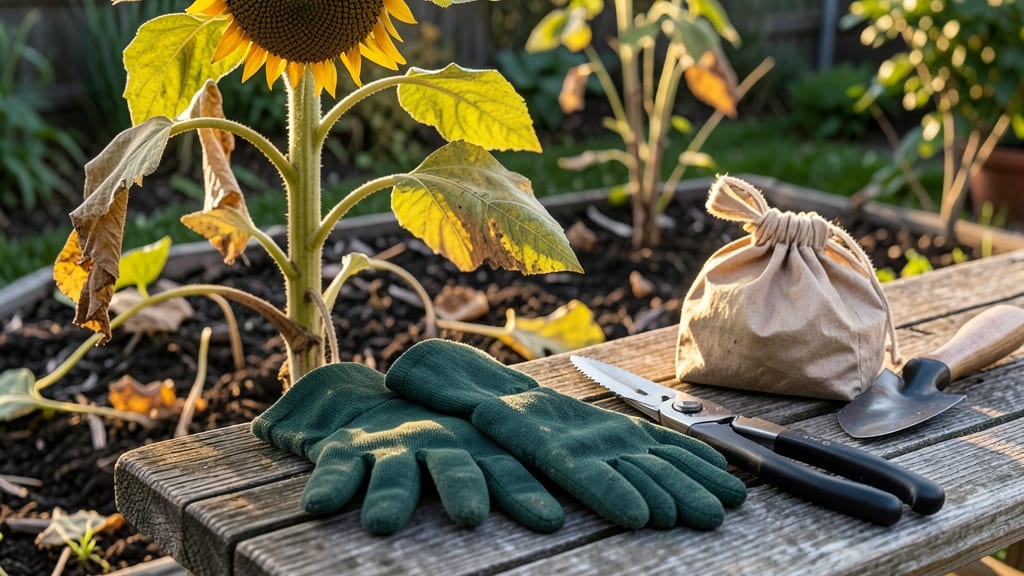
How to know when sunflower seeds are ready can feel like guessing—until you spot the right clues. That perfect golden-brown moment determines whether you get flavorful seeds or bitter, underdeveloped ones, and missing it means wasted effort.
Luckily, sunflowers send clear signals when they're ready, from petal drop to seed color changes. I’ll walk you through the 3 key visual and tactile tests that take the guesswork out of harvest timing, so you never miss the ideal window between July and October.
Whether you're growing these towering beauties in USDA Zone 6a or just curious about the science behind seed ripeness, these tricks will help you harvest at peak perfection. Let’s dive into the signs that mean your seeds are finally ready to pick.
From the moment the back of the head turns papery to the telltale rattle when you shake it, you’ll know exactly when to act. No more second-guessing—just a foolproof way to ensure your harvest is perfectly timed for storage or planting.


3 Visual signs sunflower seeds are ready for harvest
Sunflowers are one of the most rewarding plants to grow, but knowing exactly when to harvest those seeds can be tricky. The difference between a perfectly ripe seed and one that's underdeveloped or overripe comes down to three key visual cues that every gardener should watch for.
First, pay attention to the petals. When sunflowers are fully mature, their vibrant yellow petals will begin to droop and fall off. This is your first sign that the seed head is nearing readiness. If the petals are still standing upright and bright, the seeds aren't ready yet.
🌻 Visual Cue #1: Petal Drop The petals will naturally wilt and detach, leaving the seed head exposed. This process usually takes a few days, so don't rush to harvest immediately after the first petals fall.
The second visual clue is the color change on the back of the seed head. When your sunflower is ready for harvest, the green center will turn from vibrant green to a dull yellow-brown.
This color shift indicates that the seeds inside have fully matured and are ready to be collected.
You'll also notice that the seed cases (the brown structures holding the seeds) become papery and dry. If you try to gently pull one open, it should separate easily without resistance. This dryness is crucial because it means the seeds have reached their optimal moisture level for storage.
One common mistake is harvesting too early because the seeds look plump and full. However, if the seed head is still green and firm, the seeds inside will likely be underdeveloped and bitter. Always wait until the head turns yellow-brown and the petals have mostly fallen off.
For giant sunflower varieties, like those reaching 10 feet or more, keep an eye on the seed head's size. Mature seed heads should feel heavy for their size, indicating that the seeds inside are fully developed. If the head feels light, it's not ready yet.
Finally, check for seed visibility. When the seeds are ready, you should be able to see them clearly through the dry, brown seed cases. If the seeds are still hidden or the cases are green, they need more time to mature.
Remember, patience is key when harvesting sunflower seeds. Rushing the process can lead to bitter, underdeveloped seeds, while waiting too long may result in seeds that shatter and scatter before you can collect them.
Tactile & physical tests: how to check seed ripeness by touch
Harvesting sunflower seeds isn’t just about what you see—it’s also about what you feel. Premature harvesting leads to bitter, underdeveloped seeds, while waiting too long risks frost damage or bird theft.
The squeeze test, tap test, and head resistance methods are my go-to tactile checks for perfect ripeness.
Start with the squeeze test: Gently press the seed head between your thumb and forefinger. If the head feels dry, papery, and slightly brittle, seeds are likely ready.
A moist or spongy head means they need more time. This test is especially useful for late-season harvests when visual cues like petal drop may be obscured by weather.
Next, try the tap test. Hold the seed head over a bowl or paper bag and give it a firm tap with your knuckles. If seeds rattle loudly inside, they’re fully mature.
A dull thud or silence means they’re not ready yet. Pro tip: Perform this test on multiple heads—some sunflowers mature faster than others, even in the same patch.
For head resistance, run your fingers along the back of the seed head. Ready seeds will feel rough and dry, almost like crumpled paper. If the surface still feels smooth or slightly sticky, wait a few more days.
This tactile cue is crucial for dwarf varieties, which often have tighter seed heads that hide ripeness better than standard types.
Now, here’s where it gets practical: harvest timing varies by goal. For roasting, aim for seeds that are fully dry but still plump.
For planting next season, let them dry even longer—until they’re lightweight and easy to shell. Over-drying can reduce germination rates, so balance is key.
One common mistake? Harvesting after the first frost. While sunflowers are frost-tolerant, frozen seed heads become brittle and crack open, scattering seeds. If frost is forecast, harvest heads early and finish drying indoors. A dehydrator set to 95°F (35°C) works perfectly for controlled drying.
Finally, store your seeds in a cool, dark place (like a glass jar in the pantry) for up to 5 years. Label them with the harvest date—fresh seeds sprout faster! With these tactile tests, you’ll never guess again—just harvest with confidence.
Harvest Timing Guide
For Roasting
- ✅ Dry but plump seeds
- ✅ Back of head yellow-brown
- ✅ Petals fully wilted
For Planting
- ✅ Lightweight seed heads
- ✅ Seeds rattle loudly when tapped
- ✅ Shells easily with fingers
Avoid These Mistakes
- ❌ Harvesting when heads are still green
- ❌ Waiting until after first frost
- ❌ Storing seeds in humid conditions