
Pests
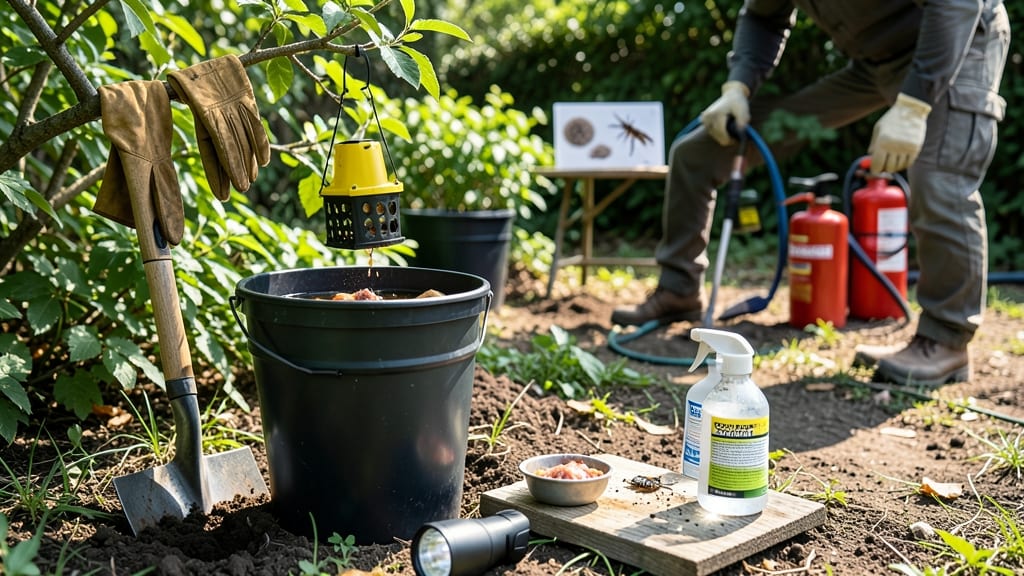
Ground burrowing yellow jackets can turn your garden into a stinging nightmare—here’s how to get rid of them for good. 🌱 I’ve battled these aggressive pests for years, and the boiling water barrier method is the fastest way to smother their nests without chemicals.
It’s brutal but effective—no lingering toxins, just instant elimination.
The key is timing and precision. Locate their mounds (usually near water sources or sunny patches), then pour 2-3 gallons of boiling water directly into the entrance. The steam kills the colony within minutes, and you avoid the mess of digging.
Just be prepared—yellow jackets will swarm when you attack, so wear long sleeves and gloves.
What you’ll get is a sting-free zone within hours. The method works for small nests in lawns, garden beds, and even under decks. Plus, it’s safer for pets and plants than sprays. For larger colonies, repeat the process every few days until the mound collapses completely.
Prevention is simple: seal trash cans, keep food covered, and eliminate standing water. If nests return, try diatomaceous earth around entry points—it dehydrates them naturally. This combo keeps your yard peaceful all season long.
Root Causes Of Ground Nests
Ground burrowing yellow jackets don’t just appear out of nowhere—they’re drawn to your property for specific reasons. Understanding why these aggressive insects choose to nest underground helps you disrupt their cycle and prevent future invasions.
Here’s a breakdown of the key factors that turn your yard into their prime real estate.
Yellow jackets are opportunistic nesters, and your yard may unknowingly offer the perfect conditions for them. These insects prefer:
- Loose, dry soil: Sandy or well-drained soil makes it easy for them to dig tunnels without resistance. Compacted or rocky soil repels them, so if your lawn is soft and crumbly, you’re essentially handing them a shovel.
- Sunlight and warmth: Ground nests thrive in areas with direct sunlight, as it helps regulate the nest’s temperature. Shady spots or cooler microclimates (like under dense foliage) are less appealing.
- Minimal foot traffic: Yellow jackets avoid disturbed areas because the vibrations and human activity can collapse their tunnels. If you have a rarely walked-over patch of grass or a secluded corner of your yard, it’s a prime nesting spot.
Pro Tip: 🌡️ If your yard has a mix of sun and shade, yellow jackets may nest near the edge of sunny patches—where the soil is warm but not overly baked.
Yellow jackets are not picky eaters—they’re protein and sugar opportunists. If your property provides easy access to their favorite snacks, they’ll stake a claim nearby. Common attractants include:
- Outdoor trash cans: Food scraps, especially sweet or greasy leftovers, send out chemical signals that yellow jackets detect from hundreds of feet away. A half-eaten burger wrapper or a spilled soda can turn your trash into a buffet.
- Pet food left outside: Protein-rich kibble or wet food is a magnet for yellow jackets. Even small amounts can trigger a nesting response.
- Fruit trees or overripe produce: Fallen apples, berries, or fermenting fruit release sugars that yellow jackets can’t resist. They’ll scavenge during the day and return to their nest at night.
- Compost piles or garden debris: Decaying organic matter emits odors that mimic food signals, luring them to nest nearby.
Key Insight: 🔥 Yellow jackets are territorial—once they establish a nest near a food source, they’ll aggressively defend it, even if the food is no longer present. This is why a single sighting can escalate into a full-blown infestation.
Yellow jackets are native to North America, and their ground-nesting behavior is an evolutionary adaptation. However, human activity can accelerate their nesting in unintended places:
- Landscaping changes: Removing natural predators (like birds or spiders) or altering the soil (e.g., adding mulch or sand) can create ideal nesting conditions. For example, freshly tilled garden beds or new sod installations may expose loose soil, inviting them to dig.
- Water sources: Even shallow puddles or leaky hoses can attract yellow jackets. They need water to survive, and a reliable source near their nest increases their likelihood of staying.
- Climate shifts: Warmer winters and longer summers expand their active season. If your region is experiencing unusually warm early springs, yellow jackets may emerge earlier and seek nesting sites sooner.
Pro Tip: 🌍 In urban areas, yellow jackets often nest in disturbed soil, such as construction sites, golf courses, or even cracks in pavement. If you’ve recently renovated your property, inspect the area for new tunnels.
Yellow jackets are social insects, and their nesting behavior is tied to colony growth. Here’s how it works:
- Founding queens seek solitude: In early spring, fertilized queens emerge from winter hibernation and search for undisturbed soil to start a new colony. They prefer areas with minimal competition from other insects or humans.
- Worker-driven expansion: By late summer, a mature colony can have thousands of workers. If food sources are abundant, they’ll actively seek new nesting sites to split the colony and reduce overcrowding.
- Secondary nests: If the primary nest is threatened (e.g., by predators or human activity), workers may relocate part of the colony to a nearby ground burrow, creating a "backup" nest.
Warning Sign: ✨ If you notice yellow jackets flying in and out of multiple holes in your yard, it’s a sign of colony fragmentation—meaning you’re dealing with multiple nests, not just one.
By addressing these root causes—whether it’s modifying your yard’s conditions, securing food sources, or disrupting their nesting triggers—you can make your property far less appealing to ground burrowing yellow jackets. The next step? Learn how to smother their nests before they smother your summer.
Eliminate Yellow Jackets Naturally
Ground burrowing yellow jackets are aggressive and persistent, but with the right strategies, you can reclaim your yard. Below are targeted solutions based on the root causes—whether it’s their nesting habits, attraction to food, or seasonal activity.
If you’ve spotted a mound of dirt with yellow jackets flying in and out, boiling water is the most effective way to destroy the nest instantly. Here’s how:
- 👨🍳 Locate the Nest at Dusk or Dawn Yellow jackets are less active during cooler hours, making it safer for you and more effective for the treatment.
- 🔥 Prepare Your Supplies
- 1 gallon of boiling water (or as much as you can carry)
- 1 tbsp of dish soap (helps break down the nest structure)
- Protective gear (long sleeves, gloves, and a face mask—yellow jackets sting when threatened!)
- 💦 Pour Directly into the Nest Entrance
- Slowly pour the boiling water straight down the hole until the mound is saturated.
- The heat and soap will kill the queen, larvae, and workers within minutes.
- Repeat in 3-5 days if you see activity—some nests have multiple chambers.
✨ Pro Tip: If the nest is large, use a garden hose with hot water (not boiling) for a safer alternative.
Yellow jackets are drawn to protein and sweets, so traps can lure them away from your yard.
- 🥘 DIY Protein Bait Trap
- Mix 1 cup of meat broth or tuna with 1 tbsp of sugar in a plastic bottle.
- Cut the top off and invert it into the bottle (like a funnel) to create an entry point.
- Bury the trap near the nest—yellow jackets will enter but won’t escape.
- 🍯 Sweet Lure for Worker Elimination
- Fill a small cup with soda or fruit juice and place it near the nest.
- Cover it with plastic wrap and poke small holes—workers will get trapped inside.
💡 Pro Tip: Place traps at least 50 feet away from your home to avoid attracting more yellow jackets.
Once you’ve eliminated the nest, keep them from returning with these long-term strategies:
- 🌡️ Eliminate Food Sources
- Clean up spills (especially sugary drinks) immediately.
- Store trash in sealed bins and take them out daily.
- Avoid leaving pet food outside—yellow jackets love protein.
- 🎯 Seal Entry Points
- Check for gaps in foundations, vents, or eaves and seal them with caulk or steel wool.
- Install fine mesh screens on windows and doors.
- 🌿 Modify Your Landscape
- Remove standing water (they nest in damp soil).
- Trim overgrown vegetation near your home to reduce hiding spots.
- Avoid bright colors in outdoor decor—yellow jackets are attracted to them.
- 🔪 Professional Help for Large Nests If the nest is underground, hidden, or extremely large, consider calling a pest control expert. They have specialized equipment to locate and treat nests safely.
Final Thought: Yellow jackets are tough, but with boiling water, bait traps, and prevention, you can eliminate them for good. Stay vigilant, and your yard will stay yellow-jacket-free! 🚫🐝
Frequently asked questions
Why do yellow jackets build nests underground?
Ground burrowing yellow jackets prefer underground nests because the soil provides natural insulation and protection from predators. They thrive in loose, dry soil near sunny patches where temperatures stay stable. This also helps them hide from birds and other natural enemies while keeping their larvae safe from extreme weather.
Is boiling water safe for my lawn after treating nests?
Yes, boiling water is completely safe for your lawn once the treatment is complete. The heat kills the entire colony instantly without leaving chemical residues. Just avoid pouring it on plants or delicate garden beds—focus only on the nest mound. After treatment, the area may need a little watering to help grass recover.
How do I know if a ground hole is a yellow jacket nest?
Look for these signs: 1-2 inch diameter holes with fresh dirt mounds nearby, yellow jackets flying in and out during daylight, or aggressive behavior when you approach. Tap the ground gently—if you hear buzzing or see them swarming, it's almost certainly a nest. Avoid probing with sticks, as this can provoke attacks.
Will yellow jackets come back after I treat their nest?
They might if food sources or nesting conditions remain unchanged. To prevent recurrence, eliminate attractants like open trash cans, pet food, and standing water. Also, consider applying diatomaceous earth around potential nesting areas—it dehydrates any remaining workers and deters new queens from establishing colonies.
Can I use vinegar or essential oils to repel yellow jackets?
Essential oils like peppermint or citrus can help repel yellow jackets when mixed with water and sprayed around entry points, but they won't eliminate established nests. Vinegar mixed with water creates a weak repellent, but neither method is as effective as boiling water or professional treatments for complete colony removal. Use these as supplemental prevention measures only.