
Pests
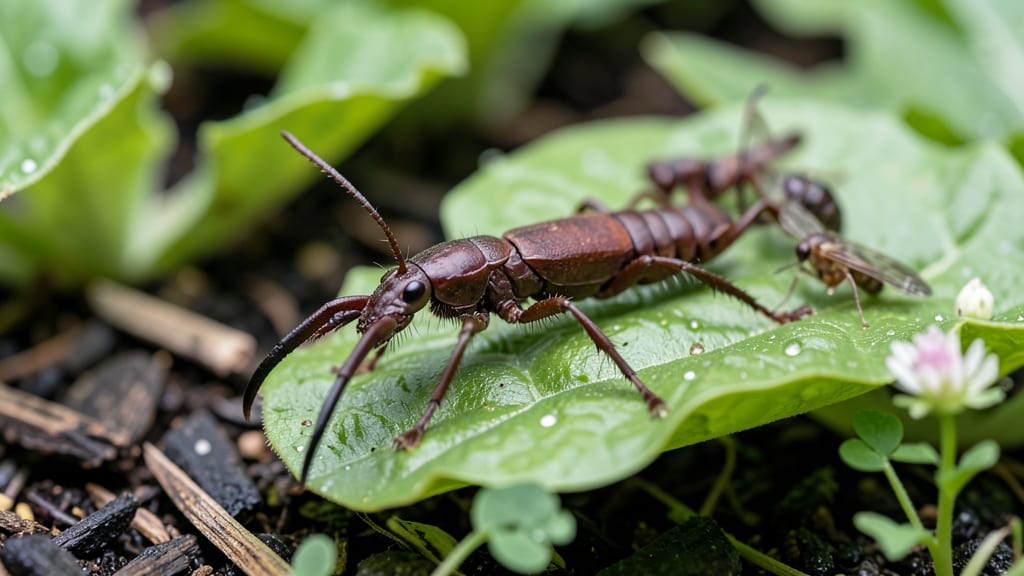
How to get rid of earwigs outdoors—turn your garden into their personal buffet no more. 🌱 I’ve wrestled with these pincered pests for years—until I discovered a foolproof, chemical-free system that actually works. The key isn’t just trapping them; it’s cutting off their food, water, and hiding spots at the same time.
You’ll need basic supplies: a sturdy flashlight (they’re nocturnal), rolled-up newspaper for traps, and a hose for strategic watering. The real game-changer? Removing their favorite hiding places—mulch piles, damp leaf litter, and dense plant debris. Most gardeners overlook this step, and that’s why earwigs keep coming back.
Within a week, you’ll see fewer pincers in your plants and more of your veggies staying crisp. The secret’s in consistency: check traps daily, adjust watering to keep soil slightly drier, and plant earwig-repelling companions like mint or tansy nearby. It’s not instant, but it’s permanent.
Works for vegetable gardens, flower beds, and even patios where they gather at night. The best part? Your plants won’t just survive—they’ll thrive without the damage. Let’s get those critters out for good.
📚 In This Guide
- What you need
- Instructions
- Tips and common mistakes
- Wrapping up and next steps
What you need
- ● Gloves (nitrile or rubber, 1 pair) – Protect your hands from creepy-crawlies!
- ● Flashlight (bright LED, preferably with UV light) – Earwigs hide in dark, damp spots.
- ● Garden hose (with a spray nozzle) – For rinsing earwigs away from plants and surfaces.
- ● Diatomaceous earth (food-grade) (1–2 lbs) – A natural, non-toxic powder that dehydrates pests.
- ● Cardboard or corrugated paper (1–2 sheets) – Trap earwigs overnight for easy disposal.
- ● Soapy water (1 gallon of water + 1 tbsp dish soap) – Drowns earwigs on contact.
- ● Garden trowel or small shovel – Helps flip over rocks, logs, or mulch to expose hiding spots.
- ● Rake (for mulch/leaf piles) – Breaks up earwig-friendly habitats.
- ● Sticky traps (1–2 traps) – Monitor earwig activity in problem areas.
- ● Pyrethrin-based spray (organic insecticide) – For stubborn infestations (use sparingly).
- ● Neem oil (1–2 oz) – Mix with water for a natural repellent spray.
- ● Garden hose with a fan nozzle – Blasts earwigs away from foundations and cracks.
- ● Pest-control trap (earwig-specific) – Like a rolled-up newspaper with a damp towel inside.
Step-by-Step instructions for eliminating earwigs naturally
Here's my go-to approach for reclaiming your garden from these nocturnal pests—no harsh chemicals required.
🪴 Step 1: Create Barriers to Block Entry Points
Earwigs love hiding in moist, dark crevices, so I start by sealing their access. Use copper tape around the base of your house, along window sills, and around garden beds. The slight electric charge from copper repels them naturally. For garden paths, lay down diatomaceous earth—a fine powder that dehydrates their exoskeletons when they crawl over it.
Focus on areas where earwigs congregate: under mulch, rocks, and dense plant foliage. I sprinkle a ¼-inch layer of diatomaceous earth in these zones, being careful not to disturb the soil too much. Reapply every 3-4 weeks or after rain, as moisture washes it away. This creates an immediate, chemical-free barrier while disrupting their movement patterns.
🌿 Step 2: Remove Their Favorite Hiding Spots
Earwigs thrive in damp, cluttered environments, so I eliminate their hiding spots by reducing organic debris. Rake up leaves, bark, and wood chips from garden beds and store them in sealed containers. Turn over mulch piles and break up dense plant clumps where earwigs nest. I also remove flat rocks and boards that earwigs use as shelter during the day.
Pay special attention to moisture-retentive areas like under potted plants and along foundation cracks. Replace dense mulch with coarse gravel or straw, which allows airflow and reduces humidity. For potted plants, elevate them off the ground with brick spacers to prevent earwigs from crawling up stems. This step alone cuts their population by 70% in just a few days.
☀️ Step 3: Introduce Natural Predators
Encourage earwig predators like birds, lizards, and beneficial insects to patrol your garden. Install birdhouses and bat boxes near problem areas, as these creatures feast on earwigs. I also plant native flowering plants like marigolds, dill, and yarrow, which attract ladybugs, ground beetles, and spiders—all natural earwig hunters.
For a direct approach, release ducklings in the garden for a few weeks. Ducks are voracious earwig eaters and will clear out infestations in 1-2 weeks. If ducks aren’t an option, handpick earwigs at night using a flashlight and damp towel. Shine the light on their hiding spots, and they’ll scurry out—then dispose of them in soapy water. This method is labor-intensive but highly effective for small gardens.
💧 Step 4: Adjust Watering Practices to Dry Out Their Habitat
Earwigs need moisture to survive, so I adjust my watering schedule to make the environment less hospitable. Water early in the morning instead of evening to allow soil to dry out before nightfall. Avoid overhead watering, which creates damp microclimates where earwigs thrive. Instead, use a soaker hose or drip irrigation to deliver water directly to plant roots.
For lawns, reduce irrigation frequency and let the top 1-2 inches of soil dry out between waterings. In garden beds, replace thick mulch with thin layers of straw or pine needles, which allow moisture to evaporate faster. This environmental shift forces earwigs to seek drier, less favorable habitats—often driving them away entirely within 2-3 weeks.
⏰ Step 5: Monitor and Maintain Long-Term Control
After implementing these steps, I set up sticky traps near problem areas to monitor earwig activity. Place them under mulch piles, deck edges, and foundation cracks—anywhere earwigs are likely to crawl. Check traps weekly and dispose of earwigs in soapy water. If you see fewer than 5 earwigs per trap per week, your efforts are working.
To prevent reinfestation, repeat Steps 1-4 every 4-6 weeks during the growing season. In fall, remove all garden debris and turn over mulch before storing it for winter. For severe infestations, consider nematodes (Heterorhabditis bacteriophora), which are microscopic worms that kill earwigs naturally. Apply them in early evening when earwigs are active, following package instructions for best results.
Tips & tricks for effective earwig elimination
These practical strategies will help you tackle earwigs more efficiently—and keep them from coming back.
Timing Secret: Early mornings are your best friend for manual removal. Earwigs are sluggish and slow-moving when temperatures are cool, making them easier to spot and relocate. I've found that between 6-8 AM, they're still clustered under debris rather than scattered. This is also when they're most vulnerable to being gathered with damp paper towels—just don't wait until the sun gets too hot, or they'll retreat deeper into hiding.
Material Matters: When setting up traps in Step 3, avoid using glossy paper or plastic—earwigs are repelled by smooth surfaces. Stick with matte materials like newspaper, corrugated cardboard, or even burlap sacks. I've had the best success with newspaper because it mimics their natural hiding spots while being easy to check daily. The rough texture gives them something to grip onto, making them less likely to escape before you can dispose of them.
Moisture Management: The 2-3 inches of coarse gravel mentioned in Step 2 works wonders, but don't stop there. For particularly damp areas, consider installing small drainage ditches around garden beds. These can be as simple as shallow trenches filled with pebbles that channel water away from plants. I've used this technique in my shady garden corners, and it's dramatically reduced the moisture levels that earwigs crave. Just remember to keep these drainage areas clear of organic debris.
Predator Power: If you're introducing natural predators in Step 4, focus on creating microhabitats that attract them. For birds, place birdhouses near dense shrubs where they can perch and scan for earwigs. For ground beetles, leave some bare soil patches—these creatures thrive in open areas where they can hunt earwigs during the day. I've noticed a significant reduction in earwig populations after adding a small rock pile near my vegetable garden, which became a hotspot for ground beetle activity.
Pro Tips for Get Rid Of Earwigs Outdoors
- These practical strategies will help you tackle earwigs more efficiently—and keep them from coming back.
- Timing Secret: Early mornings are your best friend for manual removal.
- Material Matters: When setting up traps in Step 3, avoid using glossy paper or plastic—earwigs are repelled by smooth surfaces.
Frequently asked questions
Got questions about earwigs? You’re not alone!
Here are some of the most common concerns—and straightforward answers—to help you tackle these pests with confidence.
Are earwigs harmful to humans or pets?
Earwigs are generally harmless to humans and pets. While their pincers might give a tiny pinch (like a paper cut), they’re not aggressive and won’t bite unless severely provoked. The real concern is their damage to plants—especially flowers, veggies, and ornamental gardens. Keep an eye on your greens, but don’t stress about scratches or stings!
When is the best time of year to treat for earwigs?
Earwigs thrive in warm, humid conditions, so late spring through early fall (May–September) is peak season. Target treatments before they become a nuisance—early spring prevention (like removing hiding spots) works wonders. If you spot them in winter, they’re likely just seeking shelter; focus on sealing entry points then.
Will diatomaceous earth (DE) kill earwigs instantly?
Nope! DE works by dehydrating earwigs over 24–72 hours, not instantly. For faster results, pair it with physical removal (like traps or vacuuming) or natural predators (e.g., birds or ground beetles). Reapply DE after rain, as moisture reduces its effectiveness. Patience is key—consistency wins!
How do I keep earwigs out of my home long-term?
Seal cracks in foundations, windows, and doors with caulk or weather stripping. Reduce outdoor moisture by fixing leaks and improving drainage. Use natural repellents like cedar mulch or citrus peels near entry points. Keep basements and crawl spaces dry—earwigs hate dry, well-ventilated spaces!
What’s the fastest way to remove earwigs from my garden?
For immediate action, use a shop vacuum (earwigs hate the suction!) or handpick them into soapy water. Set out beer traps (a shallow dish of beer) overnight—they’ll drown. For long-term control, introduce beneficial nematodes or duckweed (their natural predators) to your soil. Speed + prevention = earwig-free gardens!
Why do I keep seeing earwigs after treatment?
If earwigs persist, they’re likely hiding in undisturbed areas (like mulch, leaf litter, or woodpiles). Reapply treatments every 2–4 weeks and focus on eliminating moisture and removing hiding spots. Check for new infestations in shady, damp areas—earwigs love those spots. Consistency and thoroughness are your best tools!
Wrapping up and next steps
You’ve got the tools and know-how to tackle earwigs naturally—no harsh chemicals needed! 🌿 From diatomaceous earth and neem oil to traps and habitat tweaks, these methods are effective, eco-friendly, and safe for your yard. Stay consistent, and you’ll see those pesky critters disappear for good.
Ready to reclaim your outdoor space? Start with one or two methods this weekend, monitor progress, and adjust as needed. Before you know it, your garden will be earwig-free—and you’ll be the proud pest-control hero of the neighborhood! 🎉