
How To
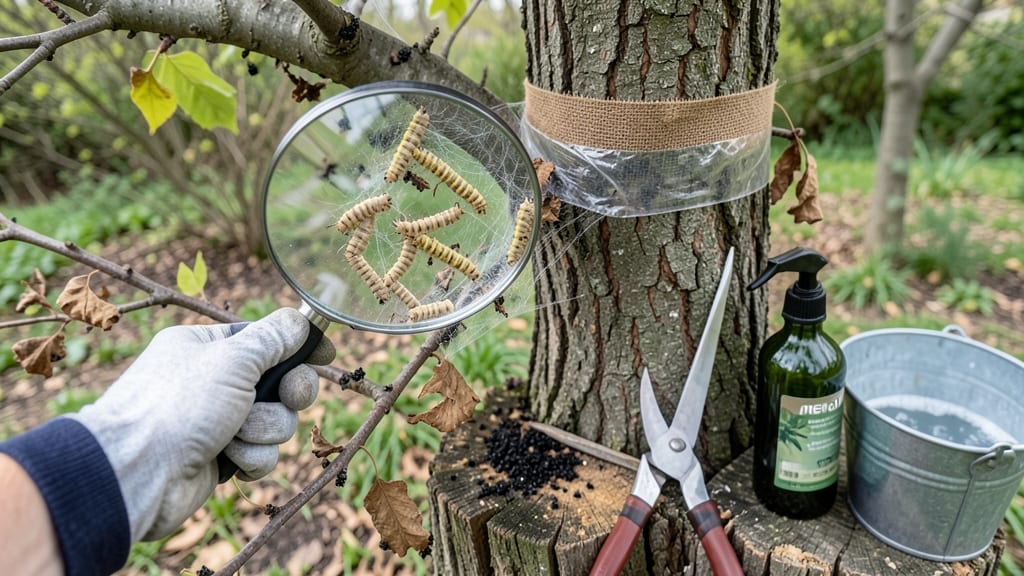
How to get rid of cankerworms—they can strip a tree bare in days, but boiling water is the fastest way to stop them before they hatch. 🌳 I’ve seen these pests turn a healthy oak into a skeleton in less than a week, but this one trick smothers their eggs overnight without chemicals. The secret? Timing. Cankerworms lay eggs in late summer, and a boiling water barrier at the base of the tree suffocates them before they become caterpillars. You’ll need a pot of freshly boiled water, a long-handled spoon, and a ladder—no fancy tools, just brute-force pest control. By morning, the eggs are gone, and your tree stays safe. The method works on oaks, maples, and fruit trees, and it’s eco-friendly—no sprays, no harm to bees or birds. Just watch your tree regain its leaves in days instead of weeks. Works best in late August to early September, but even a few weeks late can still save your branches. Here’s how to do it right the first time.
Root Causes of Cankerworm Outbreaks
Cankerworms—those pesky, leaf-munching caterpillars—don’t just appear out of nowhere. Their sudden invasions are the result of a mix of environmental, biological, and even human-influenced factors. Understanding these causes is key to preventing future infestations and protecting your trees.
Let’s break down the science behind why these critters show up when they do.
Cankerworms thrive in trees that are already struggling. When trees experience stress—whether from drought, poor soil nutrition, or disease—they become easier targets. Here’s why:
- Weakened Defenses: Stressed trees produce fewer defensive chemicals (like tannins) that normally deter pests.
Without these natural repellents, cankerworms feast with little resistance. - Nutrient-Rich Leaves: Trees under drought stress often concentrate sugars and proteins in their leaves to survive, making them a high-calorie snack for caterpillars. - Competition for Resources: Overcrowded trees (like those in urban or suburban landscapes with limited space) grow more slowly and produce tender, young leaves—prime cankerworm cuisine.
Actionable Insight: Regularly water your trees during dry spells and conduct soil tests to ensure they’re getting the right nutrients. Prune to improve airflow and reduce stress.
Cankerworms are sensitive to temperature and moisture, and their life cycles sync perfectly with certain weather patterns:
- Mild Winters: If winter temperatures hover just above freezing (28–32°F), cankerworm eggs survive and hatch in spring. Harsher freezes kill them off. - Warm, Wet Springs: Eggs laid in fall need a period of cold followed by warm, moist conditions to hatch.
A damp spring creates the perfect incubator. - Extended Growing Seasons: Longer summers give caterpillars more time to mature, reproduce, and lay eggs before winter sets in.
Actionable Insight: Monitor your local weather forecasts. If winters are unusually mild, be extra vigilant in early spring for signs of hatchlings.
Cankerworms aren’t at the top of the food chain—they’re prey for birds, parasitic wasps, and other insects. When their natural predators decline, populations explode:
- Bird Population Decline: Birds like robins and blue jays are cankerworm buffets.
Urbanization, habitat loss, and pesticide use can reduce bird numbers, leaving more worms to go unchecked. - Pesticide Overuse: Broad-spectrum insecticides kill beneficial predators (like ladybugs and lacewings) along with pests, creating a vacuum that cankerworms rush to fill. - Monoculture Landscaping: Planting large blocks of the same tree species (e.g., oaks or elms) provides cankerworms with a smorgasbord while diluting the diversity of predator habitats.
Actionable Insight: Plant native flowering shrubs and trees to attract predator birds and insects. Avoid overusing pesticides, and consider installing birdhouses to encourage natural pest control.
As humans encroach on natural habitats, cankerworms find new opportunities to thrive:
- Landscape Changes: Clearing forests and replacing them with monoculture lawns or ornamental trees removes the ecological checks and balances that kept worm populations in check. - Fire Suppression: Frequent fires in wild ecosystems can reduce cankerworm populations by destroying egg masses.
But in urban areas, fire suppression allows infestations to build unchecked. - Global Trade and Movement: Cankerworms can hitch rides on nursery stock or firewood, introducing them to new regions where they have no natural predators.
Actionable Insight: Choose diverse, native plant species for your yard and avoid transporting firewood long distances to prevent spreading infestations.
Cankerworms have a two-year life cycle, and their timing is everything:
- Fall Egg Laying: Adult moths lay eggs on tree bark in late summer/fall. These eggs overwinter and hatch in spring. - Spring Hatching: Eggs need a period of cold followed by warmth to trigger hatching.
If spring arrives early, worms emerge sooner and have more time to damage foliage. - Pupation in Soil: After feeding, caterpillars drop to the ground, burrow, and pupate. If soil conditions are ideal (moist but not waterlogged), survival rates skyrocket.
Actionable Insight: Inspect tree bark in fall for egg masses and remove them before they hatch. Mulch around trees to regulate soil moisture and deter pupation.
Understanding these causes isn’t just about reacting to an infestation—it’s about preventing one. By addressing tree health, weather patterns, predator support, and human impact, you can make your yard less hospitable to cankerworms before they even arrive. 🚀
Quick Fixes for Cankerworm Infestations
Once you’ve spotted the telltale signs of cankerworms—skeletal tree branches, silken nests, or hungry caterpillars munching on leaves—it’s time to act fast. These pests can strip a tree bare in days, so the key is a mix of immediate action and long-term prevention.
Below, we break down targeted solutions based on the root cause of your problem, from smothering eggs to luring away larvae and restoring tree health.
Cankerworms lay eggs in clusters on tree bark or branches, and they’ll hatch in as little as 10 days. The boiling water barrier method (featured in this article) is one of the fastest ways to stop them before they become a full-blown infestation.
- 🍳 Step 1: Identify Egg Masses Look for small, grayish clusters (about the size of a dime) on tree trunks, branches, or even sidewalks near infested trees. They’re often hidden under bark crevices or on rough surfaces.
- 👨🍳 Step 2: Prepare the Boiling Water Fill a large pot with water and bring it to a full boil. For every 10 feet of tree trunk, you’ll need about 1–2 gallons of water. Add a few drops of dish soap to help break the surface tension and ensure the water clings to the bark.
- 🥘 Step 3: Apply the Barrier Slowly pour the boiling water directly onto the egg masses. The heat will kill the eggs on contact. Work quickly but carefully—boiling water can damage tender bark, so avoid over-saturating healthy areas.
- ⏰ Step 4: Monitor and Repeat Check the same spots every 3–5 days, as new egg clusters may appear. Repeat the process until no more eggs are visible (usually 2–3 weeks).
💡 Pro Tip: If you’re dealing with a large tree, use a pressure sprayer with boiling water for faster coverage. Just be cautious—wear gloves and goggles to avoid burns!
If cankerworms have already hatched, they’ll descend en masse to feed on leaves. The goal here is to disrupt their feeding patterns and lure them away from your trees.
- 🌙 Use Light Traps at Night Cankerworms are nocturnal, so they’re most active after dark. Hang a bright white light (like a floodlight or even a flashlight) near infested trees. The larvae will gather around the light, making them easier to vacuum up with a shop vac or sweep into a bucket of soapy water.
- 🍎 Bait with Alternative Food Sources Place a tray of wet burlap sacks or folded cardboard near the base of the tree. Sprinkle a little water on it to create a damp surface—cankerworms love moisture and will migrate toward it. Once they gather, dispose of the bait (and worms) in a sealed bag.
- 🌡️ Create a Water Barrier Pour a ring of soapy water around the base of the tree (about 2–3 feet out). The soap breaks the surface tension, preventing larvae from climbing back up after feeding. Refresh the barrier every few days.
When cankerworms are thick on branches, physical removal can be surprisingly effective—especially for small to medium trees.
- 🍃 Handpick Larvae Wear gloves and long sleeves (cankerworms can cause skin irritation). Shake branches gently over a bucket of soapy water to dislodge the worms. For large infestations, use a grabbing tool or tongs to pluck them off.
- 🌬️ Shake Them Out If the tree isn’t too tall, wrap a large sheet or tarp around the trunk and shake the branches vigorously. The worms will fall onto the sheet, where you can scoop them up and dispose of them.
- 🚯 Dispose Properly Never compost cankerworms—they’ll just hatch again! Instead, seal them in a plastic bag and throw them in the trash or drown them in soapy water.
✨ Prevention Hack: Time your treatments for late winter to early spring (just before eggs hatch) or fall (when adults lay eggs). This gives you the upper hand before the infestation explodes.
Cankerworms target stressed or weakened trees, so part of the solution is giving your trees the care they need to bounce back.
- 💧 Water Deeply and Regularly Drought-stressed trees are prime targets. Water deeply once a week (or more in extreme heat) to encourage strong root growth. Avoid overwatering, though—soggy soil attracts pests like fungus gnats.
- 🍄 Fertilize Smartly Use a balanced, slow-release fertilizer in early spring to boost tree vitality. Over-fertilizing can attract pests, so follow package instructions carefully.
- 🪓 Prune for Airflow Remove dead, diseased, or crowded branches to improve airflow and reduce hiding spots for cankerworms. Prune in late winter or early spring to avoid stressing the tree.
- 🛡️ Apply Beneficial Nematodes These microscopic worms (Steinernema carpocapsae) are natural predators of cankerworm eggs and larvae. Mix them with water and spray onto the soil around the tree base. They’re safe for pets and plants!
🎯 Final Tip: If your tree is severely defoliated (more than 50% of leaves gone), it may need extra care to recover. Consider consulting an arborist for targeted treatments like horticultural oil sprays (applied in dormant season to smother eggs).
With a combination of these methods, you can crush cankerworm infestations fast and keep your trees thriving. The key is speed and consistency—don’t wait until the damage is done!
Frequently asked questions
Can I use boiling water on young trees or fruit trees?
Yes, but be extra careful with young or fruit trees! The boiling water should only target egg masses directly—avoid pouring it on tender bark or leaves. For fruit trees, focus on the trunk and major branches where eggs cluster. Test a small area first to check for sensitivity, especially on delicate varieties like peach or cherry trees.
What if cankerworms are already on my tree's leaves?
If you spot caterpillars actively feeding, switch to physical removal methods. Shake branches over a tarp lined with soapy water or use a shop vac to suck them up. For large infestations, try light traps at night—they'll gather around bright lights and become easy targets for disposal.
How often should I check for new egg masses?
Inspect your trees every 3-5 days during peak season (late summer to early fall). New egg clusters appear quickly, especially after warm, rainy weather. Mark areas you've treated with a waterproof marker to track progress—consistent monitoring is key to stopping them before they hatch.
Will this method work on cankerworms in shrubs or garden plants?
Yes, but adapt the approach! For shrubs, use a smaller pot of boiling water or a spray bottle with very hot water mixed with dish soap. Focus on the stems and leaf junctions where eggs are typically laid. The same principle applies—heat kills eggs on contact while being gentle enough for most plants.
Can I use this method if I have pets or children around?
Yes, but take precautions! Keep pets and children at a safe distance during application. The boiling water itself isn't harmful once cooled, but the steam can cause burns. Wear gloves and goggles, and avoid treating trees near play areas until the water has completely cooled and evaporated.