
Pests
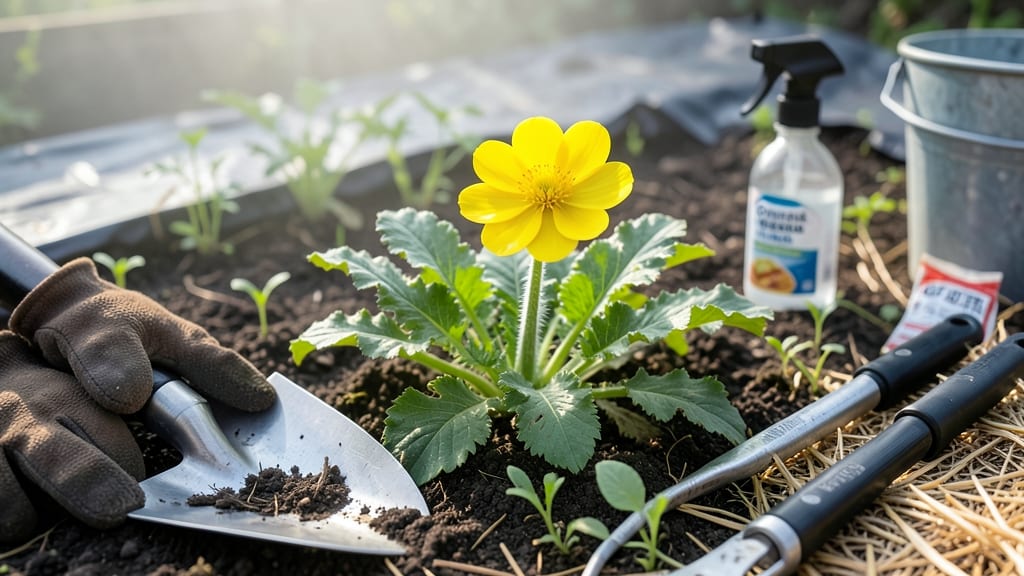
How to get rid of buttercup weeds in your garden—here’s the vinegar-salt solution that works in hours. 🌱 The bright yellow blooms look pretty, but they spread like wildfire, crowding out your prized plants. This method doesn’t just kill the leaves; it attacks the roots where they matter most.
The secret is combining white vinegar (20% acidity) with salt and dish soap for a potent, eco-friendly herbicide. You'll need a spray bottle, gloves, and a sunny day for best results. No digging required—just spray, wait, and watch those stubborn weeds wilt permanently.
By afternoon, you'll see the buttercups turning crispy at the edges, then completely collapsing. The roots break down within days, leaving no regrowth. Your garden beds stay weed-free for weeks, and you avoid harsh chemicals that harm beneficial insects.
Works best in late afternoon when temperatures are warm but not scorching. For large areas, repeat every 2-3 weeks until new growth appears. The key is consistency—don't let those buttercups take root again!
📚 In This Guide
- What you need
- Instructions
- Tips and common mistakes
- Wrapping up and next steps
What you need
- ● White vinegar (20-30% acetic acid): 1 gallon (3.8 liters) – The star of the show for killing weeds (household vinegar works, but higher concentrations are more effective).
- ● Salt (sodium chloride): 1 cup (250g) – Acts as a natural herbicide booster.
- ○ Dish soap (optional but recommended): 1-2 tablespoons – Helps the solution stick to the weeds.
- ● Spray bottle or garden sprayer: 16-32 oz (500ml-1L) – For even distribution of the mixture.
- ● Gloves: 1 pair – Protects your hands from irritation (vinegar and salt can sting!).
- ● Protective eyewear: 1 pair – Just in case the spray kicks up dust or debris.
- ○ Water (optional for dilution): 1-2 cups – Only if using lower-concentration vinegar (e.g., household 5% acid).
- ● Garden hose with a spray nozzle: For larger areas or tougher infestations.
- ● Plastic sheeting or cardboard: To shield nearby plants from accidental splashes.
- ● Hand trowel or weeding tool: For digging out stubborn roots post-treatment.
- ● Markers or flags: To label treated areas and avoid re-spraying.
Step-by-Step instructions for eliminating buttercup weeds
This targeted approach uses common household items to kill buttercups—including stubborn roots—without harming surrounding plants.
🌱 Step 1: Identify and Clear the Area
Buttercups thrive in disturbed soil, so start by removing any visible plants by hand. Grab the base firmly and pull upward—you’ll feel resistance from the deep taproot. I recommend wearing gloves; the sap can irritate skin. Work in small sections to avoid missing any plants, especially along garden edges where they often spread.
Once pulled, inspect the roots. Buttercup roots can extend 2-3 inches deep, so dig carefully if you spot remaining fragments. Discard all plant material in sealed trash—never compost, as even small root pieces will regrow. Clear a 6-inch radius around each plant to prevent regrowth from overlooked roots.
💧 Step 2: Prepare the Vinegar-Salt Solution
Mix 1 gallon white vinegar (5% acidity) with 1 cup coarse salt in a 2-gallon spray bottle. The salt enhances the vinegar’s effectiveness by dehydrating the roots. Shake well before each use—vinegar and salt separate when sitting. For extra potency, add 1 tablespoon dish soap to help the solution cling to leaves and stems.
Test the spray on a small, inconspicuous area of your lawn or garden first. If nearby plants show signs of distress (yellowing or wilting) within 24 hours, dilute the solution with 1 part water before reapplying. Buttercups are tough, but surrounding plants may not be.
✂️ Step 3: Apply Directly to Buttercup Roots
Spray the solution directly onto the exposed roots after pulling weeds. Focus on the crown (where roots meet stems) and any remaining underground fragments. For hidden roots, use a trowel to loosen soil slightly, then spray until the area is saturated. Reapply every 3-4 days for 2 weeks—consistency is key to killing deep roots.
Watch for wilting or browning within 24-48 hours. This confirms the solution is working. If buttercups resprout, repeat the process. Avoid spraying on windy days; vinegar can drift and damage nearby plants. For large infestations, apply in early morning to allow the solution to dry fully before evening dew sets in.
☀️ Step 4: Monitor and Prevent Regrowth
After 2 weeks, dig up the area again to check for surviving roots. Use a hand trowel to probe 3 inches deep—any remaining roots will appear as pale, fibrous strands. Remove these immediately and repeat the vinegar-salt treatment if needed. Buttercups are persistent, so vigilance is critical.
To prevent future growth, improve soil health by adding 2 inches of mulch (like straw or wood chips) around treated areas. Healthy grass or ground cover outcompetes buttercups for space. For lawns, overseed bare patches with fast-growing grass seed to fill gaps where buttercups might take hold.
Tips & tricks for eliminating buttercup weeds effectively
Real talk: these weeds are stubborn, but these tricks will make the job easier—and more effective—than you’d expect.
Root Inspection is Non-Negotiable: In Step 1, when you’re pulling weeds, take an extra 30 seconds to dig down 3 inches with your trowel—even if you don’t see roots. Buttercup fragments as small as 1 inch will regrow. I’ve learned the hard way that skipping this step means dealing with the same problem in 2 weeks. Discard all plant material in sealed trash, not compost—those roots will sprout like magic in your compost pile.
The Vinegar-Salt Mix Needs Proper Mixing: In Step 2, when combining your 1 gallon white vinegar and 1 cup coarse salt, shake the spray bottle vigorously for 30 seconds before each use. The salt sinks, and without proper mixing, you’ll miss spots. For even better coverage, add the 1 tablespoon dish soap—it helps the solution cling to stubborn roots instead of rolling off. Test on a hidden area first; if nearby plants yellow within 24 hours, dilute with 1 part water before full application.
Timing Your Applications is Critical: In Step 3, the 3-4 day reapplication schedule is key, but don’t skip days just because you’re busy. The vinegar works by dehydrating roots over time, and missing even one day gives buttercups a chance to recover. For large infestations, apply in the early morning—this lets the solution dry completely before evening dew can dilute its effectiveness. Watch for wilting or browning within 24-48 hours; this confirms the treatment is working.
Preventing Regrowth Starts Now: In Step 4, after your 2-week treatment, don’t just walk away. Use a hand trowel to probe 3 inches deep—any pale, fibrous strands mean surviving roots. For long-term prevention, add 2 inches of mulch (like straw) around treated areas. This smothers remaining roots while improving soil health. For lawns, overseed bare patches immediately—dense grass is buttercups’ worst enemy.
Pro Tips for Get Rid Of Buttercup Weeds
- Real talk: these weeds are stubborn, but these tricks will make the job easier—and more effective—than you’d expect.
- Root Inspection is Non-Negotiable: In Step 1, when you’re pulling weeds, take an extra 30 seconds to dig down 3 inches with your trowel—even if you don’t see roots.
- The Vinegar-Salt Mix Needs Proper Mixing: In Step 2, when combining your 1 gallon white vinegar and 1 cup coarse salt, shake the spray bottle vigorously for 30 seconds before each use.
Frequently asked questions
Got questions about tackling buttercup weeds? You’re not alone! Here are some common concerns—and quick answers—to help you win the battle against these pesky invaders.
Can vinegar and salt really kill buttercup roots permanently?
The vinegar-salt solution works best for top growth, but buttercup roots can regrow from fragments. For full eradication, repeat treatments every 2–3 days until the plant is completely brown and crispy. For stubborn roots, dig them out after the foliage dies (use gloves—latex can irritate skin!).
How long does it take to see results after applying the solution?
You’ll notice wilting within 24–48 hours, but full death (yellowing/browning) takes 3–7 days, depending on weather. Hot, sunny days speed up the process—just avoid treating on windy days to prevent drift onto desired plants.
Will this method harm my lawn, garden, or pets?
The vinegar-salt mix is non-selective, so protect nearby plants with cardboard or plastic barriers. For pets, rinse treated areas after 24 hours and keep animals off until the solution dries. Never use this on edible plants or near water sources.
Is there a cheaper or more natural alternative?
Yes! Try boiling water (pour directly on roots) or corn gluten meal (pre-emergent herbicide). For hand-pulling, loosen soil first with a fork—grasp the base (not just leaves) to avoid regrowth. Boiling water is free but labor-intensive.
Can I treat buttercups in winter or early spring?
Buttercups are perennial, so they’re dormant in winter but regrow early. Treat in late spring/early summer (when actively growing) for best results. Avoid frost—cold makes plants less absorbent. If you must treat in cooler months, use double-strength vinegar (30% acetic acid).
What if the buttercups keep coming back?
Persistent regrowth usually means root fragments or seeds in the soil. Dig up the area thoroughly (6+ inches deep) and repeat the vinegar-salt treatment. For severe infestations, consider solarization (covering soil with clear plastic for 4–6 weeks in summer heat).
Wrapping up and next steps
Getting rid of stubborn buttercup weeds doesn’t have to be a battle—with the right vinegar-salt solution, you can tackle them fast and effectively! Remember, consistency is key: reapply as needed, especially after rain, and always wear gloves for safety.
Your yard will thank you with lush, weed-free growth in no time!
Ready to reclaim your garden? Grab your supplies, roll up your sleeves, and start treating those buttercups today! 🌱✨ Review the materials list one last time, then dive in—your green space is waiting!