
Pests
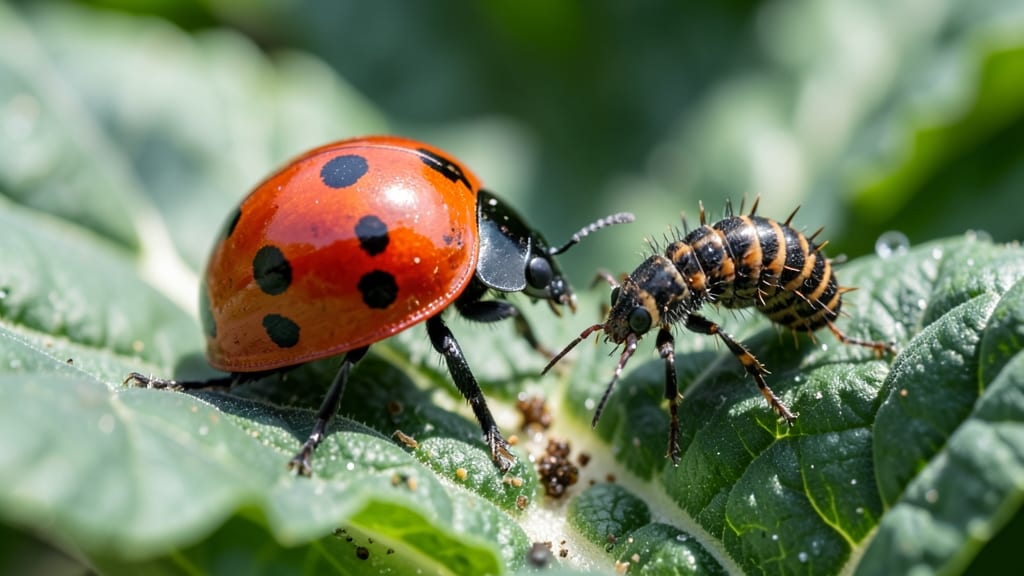
How to get rid of bugs on vegetable plants—that first wave of aphids or chewed leaves can derail even the best garden plans—but I’ve found steam is the secret weapon that works without harsh chemicals. No more spraying toxic solutions or watching bugs bounce back stronger. This method targets pests on contact while keeping your soil and plants safe for harvesting.
The beauty of steam lies in its precision: a quick blast at 212°F kills eggs, larvae, and adult bugs instantly, without harming beneficial insects or your plants’ roots. You’ll need a pressure washer or homemade steam wand, and just 10-15 minutes of targeted blasting can clear out entire colonies.
It’s especially effective for aphids, whiteflies, and spider mites—the usual troublemakers that show up early in the season.
By the end of the treatment, your plants will look refreshed, and the pests will be gone for good. The best part? You can use this method right before harvest, so no waiting periods or chemical residues.
It’s the kind of solution that makes organic gardening feel effortless—once you know the trick.
Works for all common vegetable pests, from leaf-eating caterpillars to sap-sucking beetles. Here’s exactly how to set it up and when to repeat for maximum results—no guesswork, just effective control.
Root Causes of Plant Invaders
Bugs don’t just randomly decide to crash your vegetable garden party—they’re drawn in by specific conditions that make your plants look like an all-you-can-eat buffet. Understanding why these pests show up is the first step to kicking them out for good. Let’s break down the science behind their uninvited visits.
When your vegetable plants are packed too closely together, they create the perfect microclimate for pests. Here’s why:
- Reduced airflow: Dense foliage traps moisture, creating damp conditions that attract slugs, aphids, and fungal gnats. These pests thrive in humid environments where their eggs can hatch and larvae can grow unchecked.
- Stress signals: Overcrowded plants release volatile organic compounds (VOCs) as stress signals. Some bugs, like whiteflies, are drawn to these chemical cues, mistaking distress for a weak but abundant food source.
- Shelter and breeding grounds: Tight spaces provide hiding spots for pests like cabbage worms or tomato hornworms, protecting them from natural predators (like birds or ladybugs) and making them harder to spot.
Actionable insight: Aim for proper spacing based on plant maturity—check seed packets for guidelines. For example, tomatoes need 18–24 inches apart, while carrots can handle 2–3 inches. Thinning seedlings early prevents chaos later.
Bugs target plants that are nutrient-deficient or over-fertilized, especially with nitrogen-heavy fertilizers. Here’s the breakdown:
| Nutrient Issue | What It Attracts | Why? |
|---|---|---|
| Nitrogen excess (lush green growth, weak stems) | Aphids, spider mites, whiteflies | Soft, tender new growth is easy to pierce and packed with sugars these pests crave. |
| Potassium deficiency (yellow edges on leaves) | Colorado potato beetles, flea beetles | Potassium strengthens cell walls; without it, pests can chew through tissue with less resistance. |
| Phosphorus deficiency (dark green, stunted growth) | Root maggots, cutworms | Plants struggle to develop root systems, making them vulnerable to soil-dwelling pests. |
Actionable insight: Conduct a soil test (kits cost ~$20) to identify deficiencies. Balance fertilizers with compost or organic amendments—bugs dislike the complex nutrients in well-aged compost, which also boosts plant resilience.
Watering habits directly impact pest populations. Here’s how:
- Overwatering:
- Creates standing water, inviting fungal gnats and slugs.
- Soil stays soggy, weakening roots and attracting root-knot nematodes.
- Leaves stay damp longer, giving aphids and powdery mildew (which also attracts pests) a foothold.
- Underwatering:
- Stressed plants produce more sugars in leaves to survive, making them sweeter targets for sap-sucking bugs like aphids.
- Dry soil cracks, exposing roots to wireworms and cutworms.
- Inconsistent watering:
- Fluctuations trigger stress hormones in plants, which can attract predatory pests that feed on weakened tissue.
Actionable insight: Water deeply but infrequently—aim for 1–1.5 inches per week (including rain). Use drip irrigation or soaker hoses to keep foliage dry. Morning watering gives leaves time to dry, reducing fungal gnat eggs.
Pests don’t disappear after harvest—they overwinter in garden debris. Here’s how:
- Old plant matter: Crushed leaves, stems, and uneaten produce harbor egg masses (e.g., tomato hornworm eggs) or pupae (e.g., cabbage worms).
- Weeds: Many "weeds" are host plants for pests. For example, dandelions attract aphids, which then migrate to your veggies.
- Mulch buildup: Thick mulch can trap moisture and pests like earwigs or millipedes, which may then attack your plants.
Actionable insight: Practice year-round garden cleanup:
- Remove all plant debris by late fall (compost healthy material only).
- Pull weeds regularly, especially in borders near veggie beds.
- Use straw mulch (not wood chips) for veggie beds—it breaks down faster and deters slugs.
Some bugs are region-specific or thrive in certain conditions. For example:
- Hot, dry climates: Spider mites and thrips explode in numbers because their predators (like lacewings) struggle to survive.
- Cool, humid areas: Slugs and Japanese beetles become more active, while whiteflies thrive in greenhouses or plastic tunnels.
- Wind patterns: Coastal gardens may face leafhoppers blown in from salt marshes, while inland areas might deal with grasshoppers migrating from fields.
Actionable insight: Research local pests in your USDA hardiness zone (find yours here). Plant repellent companions like:
- Basil near tomatoes to deter thrips.
- Marigolds to repel nematodes.
- Nasturtiums to trap aphids.
Quick Fixes for Common Garden Pests
Now that you know the culprits behind your veggie troubles, let’s tackle them head-on with steam-powered, chemical-free solutions that work fast and keep your plants thriving. Below, we’ve mapped out the most effective fixes for each pest, along with prevention tips to stop them from crashing your garden party again.
---
Fix: These sap-sucking pests cluster on leaves and stems, but steam is their kryptonite. Here’s how to zap them:
1. 🔥 Steam Blast Attack - Fill a steam generator (or a large pot with a spout) with water and heat until it’s billowing. - Aim the steam directly at aphid hotspots for 10–15 seconds. The high heat kills them on contact. - Repeat every 2–3 days until they’re gone.
2. 🍳 Soapy Water Spray (Non-Steam Backup) - Mix 1 tsp mild dish soap + 1 quart water in a spray bottle. - Drench infested areas—aphids will dissolve in seconds.
💡 Prevention Tip: - Plant companion herbs like basil, mint, or dill nearby—aphids hate their scent. - Encourage ladybugs (their natural predators) by leaving some dandelions in your garden.
---
Fix: These green caterpillars devour brassicas (kale, cabbage, broccoli) in days. Steam them out before they skeletonize your plants!
1. 👨🍳 Manual Pick-Off + Steam - Handpick worms (wear gloves!) and drop them in soapy water. - Steam the undersides of leaves where eggs hide—heat kills larvae before they hatch.
2. 🥘 Row Cover Barrier - Drape floating row covers over young plants to block moths (their parents) from laying eggs.
💡 Prevention Tip: - Plant trap crops like radishes or mustard greens far from your veggies—worms will go for those first. - Rotate crops yearly to disrupt their life cycle.
---
Fix: These giant green caterpillars can strip a tomato plant bare overnight. Steam + a little detective work works best.
1. 🔪 Hunt by Hand (Then Steam Their Hideouts) - Search for them early morning when they’re sluggish. - After removal, steam the plant’s undersides to kill hidden eggs.
2. 🌡️ Neem Oil Spray (Optional Backup) - Mix 1 tbsp neem oil + 1 tsp soap + 1 quart water, spray lightly (avoid flowers to protect pollinators).
💡 Prevention Tip: - Plant basil near tomatoes—hornworms avoid it like the plague. - Inspect plants weekly—early action = less damage.
---
Fix: These nocturnal nibblers leave shiny trails of destruction. Steam + barriers = their worst nightmare.
1. ⏰ Nighttime Steam Ambush - Use a portable steam cleaner (like a pressure washer with steam function) to blast slugs off plants after dark when they’re active. - The heat instantly kills them without chemicals.
2. 🏗️ Physical Barriers - Surround plants with crushed eggshells, copper tape, or diatomaceous earth (food-grade only).
💡 Prevention Tip: - Water in the morning—slugs hide during the day, so evening moisture attracts them. - Remove hiding spots like boards, rocks, or dense mulch near plants.
---
Fix: These microscopic pests spin webs and suck plant juices, causing yellowing leaves. Steam is your best bet—here’s how:
1. 🕷️ High-Heat Leaf Wash - Use a steam hose attachment on your pressure washer to blast leaves from both sides. - Focus on undersides where webs form.
2. 🌡️ Increase Humidity - Spider mites thrive in dry conditions. Mist plants daily or use a shade cloth to keep them damp.
💡 Prevention Tip: - Prune crowded foliage—mites love tight spaces. - Introduce predatory mites (like Phytoseiulus persimilis) for long-term control.
--- - Timing is everything: Steam early morning or late evening to avoid harming beneficial insects. - Test first: Steam a small area to ensure your plants can handle the heat. - Combine methods: For severe infestations, steam + hand-picking + barriers works best.
--- ✨ Pro Tip: Keep a garden journal to track pest patterns—this helps you strike before they strike next season!
--- Now that you’ve got the tools, suit up and steam those pests away—your veggies will thank you! 🚜💨
Frequently asked questions
Can I use steam on all vegetable plants safely?
Steam works well on most vegetables, but avoid using it on delicate plants like lettuce or spinach during hot weather. The high heat can stress tender leaves. Always test a small area first and keep the steam wand 6-12 inches away from foliage to prevent scorching.
How often should I repeat steam treatments for pests?
For most pests like aphids or spider mites, repeat treatments every 2-3 days until they're gone. For stubborn bugs like cabbage worms, you may need to steam daily for 3-5 days. Always check plants thoroughly after each session to spot any survivors.
Will steam kill beneficial insects like ladybugs or bees?
Steam targets pests on contact, but it can harm beneficial insects if applied directly. Always steam early morning or late evening when pollinators are less active. Focus steam on the undersides of leaves where pests hide, and avoid flowering plants during treatment.
What's the best time of day to steam my vegetable plants?
The ideal times are early morning (6-9 AM) or late evening (after 7 PM). During these times, pests are most active and beneficial insects are less likely to be present. Morning steam also helps dry leaves faster, reducing fungal risks.
Can I use a regular pressure washer for steam treatments?
Yes, but only if it has a steam function. A standard pressure washer won't generate enough heat. Look for models with 212°F+ steam output. For DIY solutions, you can also use a large pot with a spout and a propane burner to create homemade steam blasts.