
How To
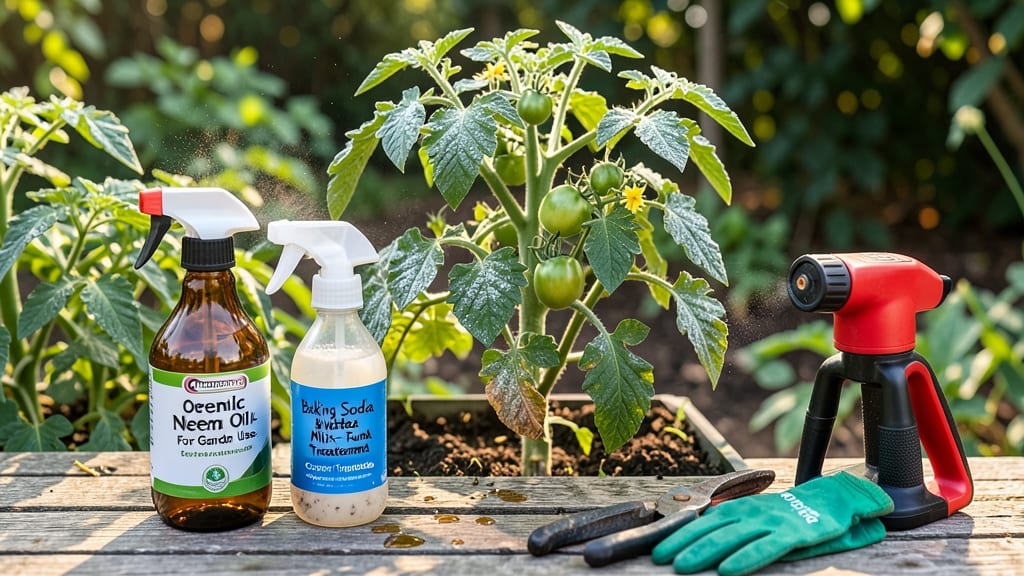
That white dust on your roses isn’t flour—it’s powdery mildew, and how to fix powdery mildew on plants starts with a simple spray that works in hours, not weeks. 🌱 I’ve battled this stubborn fungus for years, and I’ve finally cracked the code with a solution that stops it in its tracks.
The problem starts with humidity and poor airflow—powdery mildew thrives when leaves stay damp too long. It’s not just roses; cucumbers, squash, and even houseplants like ferns get hit hard. The good news? A homemade spray of vinegar and baking soda stops it in its tracks without harsh chemicals.
You’ll see new growth within days, leaves clearing up faster than you’d expect. The spray is cheap, easy to make, and safe for most plants—just test a small area first. No more sacrificing your favorite plants to this white menace.
Works for gardens, containers, and even indoor plants. Let’s get those leaves clean and your plants back to thriving!
Root Causes of Fungal Spread
Powdery mildew isn’t just a random annoyance—it’s a highly predictable fungal infection that thrives under specific conditions. Understanding why it strikes helps you prevent it before it ruins your garden. Below are the key triggers, broken down by science-backed explanations and actionable insights.
The Erysiphe and Podosphaera fungi (common powdery mildew culprits) love stagnant, moist air. Here’s why:
- Fungal spores need humidity >60% to germinate. Dense foliage or crowded plants create microclimates where air doesn’t flow, trapping moisture.
- Condensation on leaves (from overnight dew or overhead watering) gives spores a perfect landing pad. The fungus digests leaf surface wax and spreads via thread-like structures called hyphae.
- Actionable fix: Space plants 12–24 inches apart, prune inner branches, and avoid mulch piles touching stems.
Watering from above isn’t just inefficient—it’s a powdery mildew delivery system. Here’s the science:
- Splash dispersal: Water droplets splash spores from soil or infected leaves onto healthy ones, accelerating spread.
- Leaf wetness >9 hours/day doubles infection risk. Fungal spores swell and burst when hydrated, releasing more spores.
- Actionable fix: Use drip irrigation or water at the base in the morning (so leaves dry by noon).
Powdery mildew thrives in temperature swings—specifically, 60–85°F days with 50–70°F nights. Why?
| Daytime Heat (60–85°F) | Nighttime Cool (50–70°F) |
|---|---|
| Speeds up fungal metabolism, making spores more aggressive. | Slows plant transpiration, keeping leaves damp longer (ideal for spores). |
| Weakens plant cuticle resistance (the waxy leaf coating). | Condensation forms on leaves, feeding fungal growth. |
Actionable fix: Choose heat-tolerant varieties (e.g., zinnia, snapdragon) or use shade cloth in peak sun.
Healthy plants resist powdery mildew. When they’re stressed, they become fungal buffets. Common stressors:
- Nutrient deficiencies: Low phosphorus or potassium weakens cell walls, making leaves easier targets.
- Over-fertilizing with nitrogen: Leads to soft, lush growth that’s more susceptible to fungal attachment.
- Root damage or drought: Plants close stomata (pores) to conserve water, but this traps spores inside.
- Actionable fix: Test soil pH (aim for 6.0–7.0), use balanced fertilizer (10-10-10), and mulch to retain moisture.
Not all plants are equal—some are powdery mildew magnets. The fungus targets:
- Susceptible crops: Roses, cucumbers, squash, phlox, and 90% of ornamentals (e.g., impatiens, lilacs).
- Why? These plants have thin cuticles or hairy leaves, which spores cling to like Velcro.
- Actionable fix: Plant resistant varieties (e.g., ‘Blaze’ roses, ‘Straight Eight’ cucumbers) or rotate crops yearly.
💡 Pro Tip: If you’ve had mildew before, start fungicides preemptively in spring (when nights are cool and days warm). Prevention is 10x easier than cleanup!
Turn Around Powdery Mildew Fast
Powdery mildew might feel like a stubborn foe, but with the right moves, you can banish it in hours—not weeks! The key is acting quickly, targeting the root causes, and using simple, effective remedies.
Below, we break down how to fix it based on what’s triggering the problem, plus prevention tips to keep your plants healthy long-term.
---
Powdery mildew thrives in tight, humid spaces where air can’t circulate. If your plants are packed too closely or tucked away in shady corners, spread them out and improve airflow immediately.
How to Fix It: ✅ Prune aggressively – Trim back overgrown leaves, branches, or vines to open up space. Aim for at least 6–12 inches of clearance between plants. ✅ Move to a sunnier spot – Powdery mildew loves shade. Relocate plants to at least 6 hours of direct sunlight (or grow lights for indoors). ✅ Use fans (yes, really!) – Place a small fan on low speed near infected plants to dry leaves faster and disrupt mildew spores. Run it for 10–15 minutes daily. ✅ Raise containers – If growing in pots, elevate them on feet or bricks to improve airflow underneath.
Prevent It: 💡 Space plants 12–18 inches apart when planting. 💡 Avoid mulching too close to stems—keep mulch 2–3 inches away to prevent moisture buildup.
---
Moisture-loving mildew spores explode when leaves stay damp overnight. If your plants are watered at the wrong time or in the wrong way, adjust your routine ASAP.
How to Fix It: 🔥 Water in the morning – Always water before 10 AM so leaves dry by evening. Wet leaves at night = mildew party time. 🍳 Use the right tools – Swap sprinklers for a watering can with a narrow spout or a soaker hose to avoid wetting foliage. 👨🍳 Drip irrigation is your friend – Direct water to the soil, not the leaves, to keep foliage dry. 🥘 Wipe down leaves – Use a soft cloth or sponge to gently dry leaves after watering (especially for houseplants).
Prevent It: 🌡️ Check soil moisture – Stick your finger in the soil before watering. If the top 1 inch is dry, it’s time to water. 🎯 Avoid overhead watering – Never use a hose or sprinkler on leaves.
---
If mildew has already taken hold, vinegar, baking soda, and neem oil are your secret weapons. These kill spores on contact without harsh chemicals.
How to Fix It: 🔥 Baking Soda Spray (Best for Early Stages) - Mix 1 tsp baking soda + 1 quart water + ½ tsp dish soap (like Dawn). - Spray directly on infected areas until leaves are glistening wet. - Reapply every 7–10 days until mildew disappears.
🍳 Vinegar Spray (Strong but Effective) - Combine 1 part white vinegar + 3 parts water. - Spray only on affected leaves (vinegar can burn some plants—test on a small area first). - Best for outdoor plants (indoor use may attract pests).
👨🍳 Neem Oil (Kills Spores & Prevents Regrowth) - Mix 1 tbsp neem oil + 1 tsp mild soap + 1 quart water. - Spray evenly on tops and bottoms of leaves. - Reapply every 5–7 days for 2–3 weeks.
⏰ Hydrogen Peroxide (3% Solution – Disinfects Leaves) - Mix 1 tbsp 3% hydrogen peroxide + 1 quart water. - Spray directly on mildew—it bleaches spores on contact. - Use in late afternoon so leaves dry before nightfall.
Prevent It: ✨ Rotate sprays – Don’t use the same remedy every time; mildew can build resistance. ✨ Clean tools – Sterilize pruners and shears with rubbing alcohol after each use.
---
If mildew has spread to large patches or entire leaves, don’t wait—cut it out before it spreads.
How to Fix It: 🔪 Prune infected areas – Use clean, sharp scissors to snip off: - Yellow or white powdery spots - Entire leaves if >50% covered - Stems with mildew (if severe) 🧹 Dispose of debris properly – Do NOT compost infected plant material. Bag and trash it or burn it (if safe in your area). 🚿 Wash remaining leaves – Spray with soapy water (1 tsp mild soap per quart) to remove spores.
Prevent It: 💡 Inspect plants weekly – Catch mildew early when it’s just tiny white dots. 💡 Isolate new plants – Quarantine them for 2 weeks before adding to your garden.
--- Healthy plants resist mildew naturally. Give yours a nutrient boost to fight back.
How to Fix It: 🥗 Feed with compost or worm castings – Mix 1 cup into the top 6 inches of soil for a nutrient surge. 🍎 Use foliar feeding – Spray liquid seaweed or fish emulsion on leaves for quick absorption. 💪 Add potassium-rich fertilizer – A low-dose 5-10-10 fertilizer strengthens cell walls.
Prevent It: 🌡️ Avoid over-fertilizing with nitrogen – Too much = soft, mildew-loving growth. 🎯 Rotate crops – If growing veggies, don’t plant the same family (like tomatoes or cucumbers) in the same spot two years in a row.
--- 1. Prune & improve airflow (today!) 2. Spray with baking soda or neem oil (tonight) 3. Adjust watering habits (permanent fix)
Within 7–10 days, your plants should look and feel mildew-free—if not, switch to a stronger remedy like copper fungicide (last resort for severe cases).
--- Remember: Powdery mildew is annoying but beatable—just stay consistent, and your plants will bounce back stronger! 🌿💪
Frequently asked questions
Can I use coffee grounds to treat powdery mildew?
Coffee grounds can help prevent mildew when worked into soil (they improve drainage), but they won’t treat an active infection. For existing mildew, use a baking soda spray (1 tsp baking soda + 1 quart water + ½ tsp soap) instead—it’s more effective on contact.
How often should I spray my plants with fungicide?
For organic sprays (like neem oil or baking soda), apply every 5–7 days until mildew disappears, then switch to preventative sprays every 2 weeks during humid seasons. Chemical fungicides may require weekly applications—always follow label instructions.
Will pruning infected leaves make my plant weaker?
Not if you do it right! Prune only infected areas (never more than 25% of the plant at once). Healthy leaves will compensate, and removing mildew stops the spread. For severe cases, prune entire infected leaves—your plant will grow stronger once the fungus is gone.
Can I save a plant that’s completely covered in powdery mildew?
It depends! If the mildew has spread to every leaf and stem, the plant may be too weak to recover. Try pruning back 50% of the plant, applying a copper fungicide (last resort), and moving it to a sunny, dry location. Monitor closely—new growth may emerge from healthy stems.
Why does mildew keep coming back even after treatment?
Mildew returns when conditions stay ideal for spores: poor airflow, high humidity, or wet leaves. Fix the root cause—improve spacing, adjust watering, and rotate treatments (fungi can build resistance). A preventative spray every 2 weeks during humid weather helps too.