
Pests
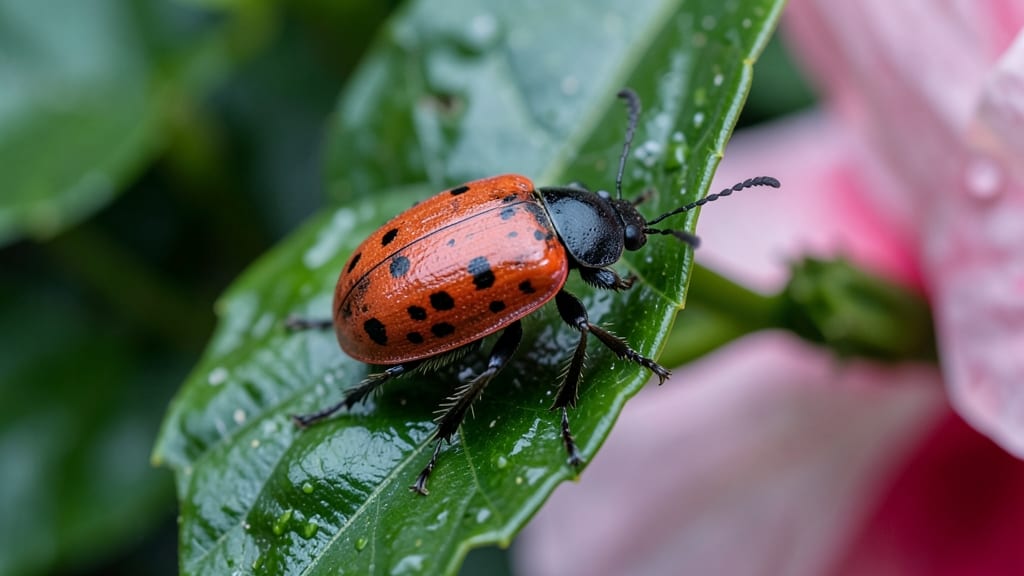
How to get rid of the bugs on your hibiscus naturally—those tiny invaders on your leaves are about to get the boot. 🌿 I’ve battled aphids, spider mites, and whiteflies on my own hibiscus, and this soapy water spray method clears them out in under 10 minutes without harming your plant. The secret? A gentle, plant-safe solution that disrupts bugs’ protective coatings while being tough enough to knock them off leaves. You’ll need just 3 simple ingredients—dish soap, water, and a spray bottle—and the process takes less than 5 minutes to mix. No harsh chemicals, no waiting days for results. By the time you’re done, your hibiscus will look fresh and vibrant, with new growth pushing out within a week. The best part? This method works as a preventive spray too, keeping pests from moving in for good. Works for all hibiscus varieties, from tropical to hardy types, and won’t damage beneficial insects like ladybugs if applied correctly. Let’s get started!
Root Causes of Hibiscus Bugs
Hibiscus plants are stunning additions to any garden, but their lush foliage and sweet nectar make them prime targets for pests. Understanding why these bugs invade your hibiscus is the first step to keeping them healthy. Below, we break down the most common culprits and the science behind their behavior.
Bugs like aphids, whiteflies, and spider mites are drawn to hibiscus plants that are stressed or overcrowded. Here’s why:
- Nutrient Deficiency: When hibiscus lacks essential nutrients (like nitrogen, phosphorus, or potassium), its leaves become softer and more vulnerable. Bugs detect these weakened plants through volatile organic compounds (VOCs) emitted by stressed foliage.
- Poor Air Circulation: Dense foliage or tightly packed plants trap humidity, creating the perfect breeding ground for pests like mealybugs and fungal gnats. Stagnant air also prevents natural predators (like ladybugs) from patrolling effectively.
- Root Stress: Overwatering or compacted soil can suffocate roots, weakening the plant’s immune response. This makes it easier for pests to latch on and feed.
Pro Tip: 💡 Prune your hibiscus regularly to improve airflow and remove crowded branches. A balanced 10-10-10 fertilizer (or organic compost) can also boost its resilience.
Hibiscus plants thrive in well-draining soil, but too much moisture—especially on leaves—can turn your garden into a bug buffet. Here’s how excess water plays a role:
- Fungal Growth: Damp leaves create ideal conditions for sooty mold, a fungus that thrives on honeydew (a sticky substance left by sap-sucking pests like aphids). This mold weakens the plant and attracts more insects.
- Soft Rot & Decay: Overwatered soil can lead to root rot, which emits a foul odor that lures fungus gnats and other moisture-loving pests.
- Sap-Sucking Havens: Bugs like whiteflies and scale insects prefer plants with high moisture content because it makes their feeding easier. The extra sap also provides a food source for secondary pests.
Pro Tip: 🌡️ Water hibiscus at the base (not overhead) and ensure pots have drainage holes. If you notice yellowing leaves, it’s a sign of overwatering—let the soil dry out slightly between waterings.
In a balanced ecosystem, predators like ladybugs, lacewings, and parasitic wasps keep pest populations in check. But if your garden lacks these helpers, bugs can multiply unchecked. Here’s why:
- Pesticide Overuse: Chemical pesticides kill not only pests but also their natural predators, creating a pesticide treadmill where bugs rebound stronger.
- Monoculture Planting: Growing only hibiscus (or similar plants) removes the diversity that attracts beneficial insects. A monoculture offers no alternative food sources for predators.
- Habitat Loss: Without shelter (like ground cover, rocks, or native plants), predators avoid your garden. For example, lacewings need leaf litter to lay eggs.
Pro Tip: ✨ Plant companion plants like marigolds, basil, or dill to attract predators. Avoid broad-spectrum pesticides—opt for neem oil or soapy water sprays instead.
Bugs don’t just appear randomly—they follow seasonal cues and migrate in search of food. Hibiscus is especially vulnerable during:
| Season | Common Pests | Why They Strike |
|---|---|---|
| Spring | Aphids, Spider Mites | Warmer temperatures trigger rapid plant growth, which aphids exploit for new feeding sites. |
| Summer | Whiteflies, Mealybugs | High humidity and long daylight hours boost their reproduction rates. |
| Fall | Scale Insects, Fungal Gnats | Cooler nights and decaying leaves provide shelter and food for overwintering pests. |
Pro Tip: 🎯 Monitor your hibiscus weekly during peak seasons. Early detection (like sticky residue on leaves) means faster intervention.
By addressing these root causes—whether it’s improving plant health, adjusting watering habits, or encouraging predators—you’ll make your hibiscus far less appealing to pests. The next step? Natural remedies that work fast.
Natural Fixes for Hibiscus Bugs
Now that you know the common culprits behind hibiscus pests, let’s tackle them with effective, chemical-free solutions that restore your plant’s health. Below, we’ve mapped out targeted fixes for each pest type, along with prevention tips to keep your hibiscus thriving long-term.
Aphids love clustering on new growth, but they’re no match for a homemade insecticidal soap or neem oil spray.
🔥 Step-by-Step Fix:
- Mix a soapy solution – Combine 1 tsp mild liquid soap (like Castile soap) with 1 quart of water. Avoid harsh detergents!
- Spray directly on pests – Focus on undersides of leaves, buds, and stems where aphids hide.
Reapply every 3–4 days until gone. 3. Boost with neem oil – For stubborn infestations, mix 1 tbsp neem oil + 1 tsp soap + 1 quart water. Spray in the early morning or evening (neem can burn leaves in direct sunlight).
- Wipe down leaves – Use a soft cloth dampened with soapy water to manually remove clusters.
🌿 Prevention Tips: ✅ Encourage natural predators – Ladybugs and lacewings love aphids!
Plant marigolds nearby to attract them. ✅ Prune regularly – Remove heavily infested leaves and dispose of them in a sealed bag (not compost). ✅ Water at the base – Avoid wetting leaves, as dampness attracts aphids.
Whiteflies flutter around leaves, leaving a sticky residue—but they’re easy to trap and kill with DIY solutions.
🍳 Step-by-Step Fix:
- Set up yellow sticky traps – Hang yellow cards coated with petroleum jelly near the plant to catch adults.
- Spray with rubbing alcohol mix – Combine 1 part rubbing alcohol + 3 parts water in a spray bottle.
Shake well and spray directly on whiteflies (they’ll dissolve on contact). 3. Use a neem oil soak – For eggs and larvae, spray neem oil solution (as above) twice a week for 2 weeks. 4. Isolate heavily infested plants – Whiteflies spread fast!
Keep infected hibiscus away from others until cleared.
🔥 Prevention Tips
💡 Inspect new plants – Whiteflies hitchhike on nursery plants. Quarantine new additions for 2 weeks. 💡 Keep plants ventilated – Poor airflow = more whitefly eggs.
Space plants properly and prune for airflow. 💡 Reflective surfaces – Place aluminum foil or white plastic near plants to disorient flying adults.
Tiny but destructive, spider mites thrive in dry, dusty conditions. A strong neem oil spray + increased humidity is your best defense.
👨🍳 Step-by-Step Fix
- Blast off mites with water – Use a hose or spray bottle to rinse leaves daily for 3 days (washes away webs and eggs).
- Neem oil deep treatment – Spray neem oil mix (1 tbsp oil + 1 tsp soap + 1 quart water) every 5 days for 3 weeks.
- Introduce beneficial mites – Predatory mites (Phytoseiulus persimilis) eat spider mites.
Buy them online or from garden centers. 4. Wipe leaves with oil – Dip a soft cloth in mineral oil and gently rub leaves to smother mites (test on a small area first).
🌡️ Prevention Tips
✨ Boost humidity – Place a pebble tray with water under pots or use a humidifier near plants. ✨ Dust leaves regularly – Wipe leaves with a damp cloth to remove mite-friendly dust. ✨ Avoid over-fertilizing – Too much nitrogen = weaker plants.
Use a balanced fertilizer (10-10-10).
These cotton-like pests hide in crevices, but rubbing alcohol and oil can eradicate them fast.
⏰ Step-by-Step Fix:
- Dab with alcohol – Use a cotton swab dipped in 70% isopropyl alcohol to wipe off mealybugs. Do this daily for a week.
- Spray with horticultural oil – Mix 1 tbsp horticultural oil + 1 tsp soap + 1 quart water.
Spray every 5 days for 2 weeks. 3. Scrape off infested areas – If bugs are deep in bark, gently scrape them off with a knife and dispose of debris. 4. Repeat treatments – Mealybugs lay eggs! Keep treating until no new bugs appear for 3 weeks.
🎯 Prevention Tips
🔪 Inspect new plants – Mealybugs hide in soil and roots. Quarantine new plants for 1 month. 🔪 Keep hibiscus healthy – Stressed plants attract pests.
Water consistently and fertilize every 6–8 weeks. 🔪 Use reflective mulch – Silver mulch confuses mealybugs and deters them.
To keep bugs away long-term, follow this proactive care plan: - 💧 Water deeply but infrequently – Overwatering weakens roots.
Let soil dry 1–2 inches between waterings. - ☀️ Provide sunlight (but not scorching) – Hibiscus needs 6+ hours of sun, but afternoon shade helps in hot climates. - 🌿 Prune for airflow – Trim crowded branches to reduce hiding spots for pests. - 🍃 Rotate plants occasionally – Prevents pest buildup in one spot. - 🔍 Inspect weekly – Catch pests early before they spread.
Check undersides of leaves, buds, and stems.
Final Tip: If pests persist, combine methods (e.g., soapy spray + neem oil + beneficial insects). Most natural remedies take 2–4 weeks to fully eliminate bugs—but your hibiscus will reward you with vibrant blooms once they’re gone! 🌺✨
Frequently asked questions
How often should I spray my hibiscus with soapy water?
For active infestations, spray every 3-4 days until pests disappear. Once clear, switch to a weekly preventive spray during peak pest seasons (spring/fall). Always use mild soap like Castile soap—harsh detergents can damage leaves.
Will neem oil harm beneficial insects like ladybugs?
Neem oil is safest when applied in the evening (after predators are less active). For extra protection, spray only the undersides of leaves where pests hide. If you see ladybugs, avoid spraying directly on them—focus on infested areas instead.
What if my hibiscus has sticky residue from bugs?
That’s likely honeydew—a sugary waste from sap-sucking pests like aphids. Wipe leaves with a damp cloth dipped in 1 part water + 1 part vinegar to remove it. For stubborn residue, follow up with a soapy water spray to kill remaining pests.
Can I use coffee grounds as a natural bug repellent?
Yes! Sprinkle used coffee grounds around your hibiscus (not directly on soil) as a natural deterrent. The caffeine acts as a mild insect repellent while improving soil health. Reapply every 2 weeks for best results. Just avoid overdoing it—too much can make soil acidic.
How do I know if my hibiscus is recovering from pests?
Look for new growth and fewer pests after 1-2 weeks of treatment. Healthy hibiscus will show bright green leaves and fewer sticky spots. Keep monitoring for 2-3 weeks—if bugs return, repeat treatments or try a different natural remedy.