
Propagation
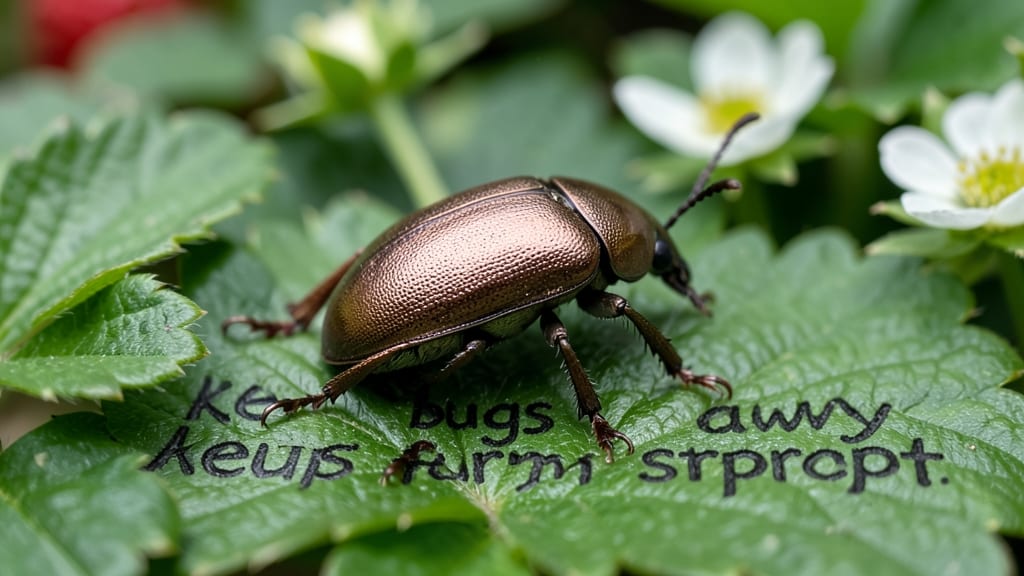
How to keep bugs away from strawberries—I’ve lost entire harvests to aphids and slugs until I discovered this cup-deep diatomaceous earth ring trick. 🌱 It’s the simplest organic barrier that actually works without harming bees or beneficial insects. No more sad, chewed berries or sticky aphid trails on your plants.
The secret lies in creating a 1-inch-high ring around each plant using food-grade diatomaceous earth. This powdery substance dehydrates soft-bodied bugs like aphids and slugs on contact, while being completely safe for your strawberries.
You’ll need about 1 cup per plant, spread evenly in a circle. Water lightly afterward to help it settle.
Within 24 hours, you’ll notice fewer pests crawling onto your plants. The best part? This method lasts 2-3 weeks before needing a refresh, and it pairs perfectly with companion planting (like thyme or garlic) for extra protection. Your strawberries will stay plump, sweet, and bug-free all season.
Works for both in-ground beds and container plants, and it’s zero-cost if you already have diatomaceous earth on hand. Just avoid using it on windy days—it needs to stay put to work its magic. Ready to reclaim your strawberry patch?
📚 In This Guide
- What you need
- Instructions
- Tips and common mistakes
- Wrapping up and next steps
What you need
- ● Food-grade diatomaceous earth (DE): 1–2 cups (ensure it’s labeled for food-safe use, like blank">Safer Brand or blank">Earth’s Ally)
- ● Small plastic or metal cup: 1 (6–8 oz size, like a yogurt cup or coffee cup)
- ● Strawberry plants: Your existing patch (or new plants if expanding!)
- ○ Gloves (optional but recommended): 1 pair (DE can be drying to skin)
- ● Water spray bottle: 1 (for rehydrating DE if needed)
- ● Copper tape (1–2 inches wide): A few feet (for a double-layered bug barrier)
- ● Neem oil or insecticidal soap: Small bottle (for spot-treating stubborn pests)
- ● Fine mesh or row covers: If bugs are extremely persistent (like slugs or birds)
- ● Straw or mulch: A handful (to camouflage the DE ring for aesthetics)
Tips & tricks for protecting your strawberry harvest
Here's what I've learned from years of battling pests—these tricks make all the difference in keeping your berries safe.
Precision Application: When applying the 1-inch deep barrier in Step 2, use a small board or your fingers to press the diatomaceous earth into the soil surface. This creates a physical barrier that bugs can't crawl under—think of it like creating a tiny trench that pests can't navigate. The key is firm but not compacted; you want it to stay in place while allowing water to drain through.
Visual Marking Technique: Before applying anything in Step 1, I recommend using a stick to draw a faint circle on the soil surface. This helps you visualize the exact 4-inch band you're working with, especially when you're working with multiple plants. A simple visual cue prevents uneven application and ensures consistent coverage all around each plant.
Seasonal Adjustment Strategy: In Step 5, when you're increasing checks to every 5 days during late summer, consider adding a second layer of diatomaceous earth around particularly vulnerable plants. The ripe fruit attracts more pests, so this extra protection creates a nearly impenetrable defense. Just remember to keep the barrier at 1-inch depth—deeper won't help and could harm beneficial insects.
Companion Planting Placement: When planting your garlic, chives, or thyme in Step 4, position them just outside the diatomaceous earth ring. This creates a natural scent barrier that works in tandem with the physical barrier. The 8-inch spacing ensures they won't compete with your strawberries while still providing maximum pest-repelling benefits. Marigolds planted in clusters work best—their strong fragrance confuses beetles and attracts beneficial insects.
Pro Tips for Keep Bugs Away From Strawberries
- Here's what I've learned from years of battling pests—these tricks make all the difference in keeping your berries safe.
- Precision Application: When applying the 1-inch deep barrier in Step 2, use a small board or your fingers to press the diatomaceous earth into the soil surface.
- Visual Marking Technique: Before applying anything in Step 1, I recommend using a stick to draw a faint circle on the soil surface.
Frequently asked questions
Got questions about keeping those pesky bugs off your strawberries? You’re not alone—here are some of the most common concerns and straightforward answers to help you protect your harvest!
What’s the best time of day to apply diatomaceous earth (DE) to strawberry plants?
The ideal time is early morning when dew is present. The moisture helps the DE stick to bugs, making it more effective. Avoid applying when rain is forecasted—it’ll wash away before it works!
How often should I reapply DE to keep bugs away from strawberries?
Reapply DE every 5–7 days or after heavy rain. Since it breaks down over time, consistency is key. Check your plants weekly for signs of pests like aphids or slugs to stay ahead of the game.
Will diatomaceous earth harm bees or other beneficial insects?
Yes, DE can harm bees and other pollinators if applied directly to flowers. Only use it on leaves, soil, or around the base of plants, and avoid spraying when bees are active. Timing matters—apply DE in the evening or early morning for safety.
Are there natural alternatives to DE if I don’t want to use it?
Try these DIY bug-repelling tricks:
- Neem oil spray: Mix 1 tbsp neem oil + 1 tsp mild soap in 1 quart of water. Spray on leaves weekly.
- Garlic or chili pepper spray: Blend garlic/chili with water, strain, and spray around plants.
- Coffee grounds: Sprinkle around the base of plants—they deter slugs and ants naturally.
- Row covers: Lightweight fabric over plants blocks pests while letting sunlight through.
My strawberries still have bugs after using DE. What should I do?
If bugs persist, combine methods for better results:
- Check for hidden pests (like under leaves) and remove them manually.
- Rotate treatments—try neem oil or insecticidal soap after DE.
- Ensure your plants are healthy and well-watered; stressed plants attract more pests.
- Consider physical barriers, like copper tape for slugs or netting for birds.
Patience is key—some pests take time to fully clear out!
Wrapping up and next steps
Keeping bugs away from your strawberries doesn’t have to be a battle—with a simple cup-deep diatomaceous earth ring, you’ve got a natural, chemical-free shield! 🌱 This method is easy, affordable, and effective, ensuring your berries stay pest-free while thriving.
The key is consistency: reapply as needed, and your plants will reward you with juicy, blemish-free fruit.
Now that you’re armed with this game-changing trick, take the next step: try it in your garden this season! Share your success (or ask questions) in the comments—we’d love to hear how your strawberries flourish! 🍓✨