
Pests
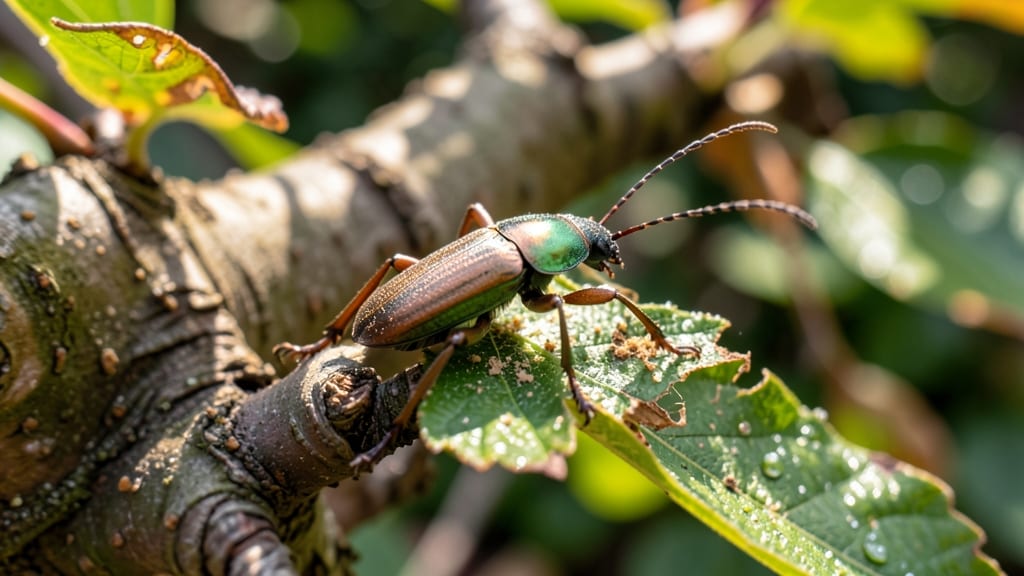
How to get rid of beetles on trees before they strip your maple leaves bare—fast action is key. These striped invaders can defoliate a tree in days. 🌿 I’ve battled them for years, and the secret isn’t brute force but smart timing.
A targeted spray schedule (not just one-and-done) keeps them off your trees without harming pollinators.
Most gardeners overlook the 3-week window after they first appear—that’s when they’re most vulnerable. Neem oil or insecticidal soap works best if applied early morning or late evening when bees aren’t active.
For severe cases, pyrethrin-based sprays (like those labeled for Japanese beetles) deliver fast knockdown, but use them sparingly.
You’ll see results within 24-48 hours of proper treatment—leaves stop getting skeletonized, and new growth stays intact. The trick is consistency: repeat sprays every 5-7 days during peak beetle season (June-August in most zones) to break their life cycle.
Pro tip: Handpick beetles into soapy water for a chemical-free boost. Combine this with milky spore treatment in your lawn—it’s a long-term game-changer that cuts next year’s population by 90%. Let’s get those trees back to full, lush glory.
Root Causes of Tree Beetle Infestations
Beetles don’t just randomly appear on your trees—they’re drawn by specific conditions that make your landscape a five-star hotel. Understanding these triggers is the first step to kicking them out for good.
Below, we break down the key reasons why beetles target your trees, from environmental factors to human habits that invite them in.
Beetles, especially bark beetles and ambrosia beetles, have a knack for spotting trees that are already struggling. When a tree is under stress—whether from drought, poor soil, or disease—its defenses weaken, releasing chemical signals that actively attract beetles.
Think of it like a distress flare: the tree is saying, “Help me, I’m vulnerable!”
- Drought stress: Prolonged dry spells reduce a tree’s ability to produce resin, a natural beetle repellent. Without enough moisture, the tree’s bark becomes an easy entry point for beetles to lay eggs.
- Poor nutrition: Trees deficient in nitrogen, phosphorus, or potassium are more susceptible to pests. A soil test can reveal if your tree isn’t getting the right nutrients.
- Disease or damage: Fungal infections, storm damage, or even improper pruning create wounds that beetles exploit. For example, Dendroctonus beetles (like the mountain pine beetle) target trees already compromised by pine wilt or blight.
- Competition for resources: Overcrowded trees or those competing with weeds for water and sunlight become stressed faster, making them low-hanging fruit for beetles.
Actionable fix: Water deeply during dry spells, mulch to retain moisture, and fertilize based on soil test results. If a tree is beyond saving, remove it to prevent the beetle population from spreading.
Not all trees are equal in the eyes of beetles. Some species are like all-you-can-eat buffets, while others are barely on the menu. Beetles have specific tastes—whether it’s the sap, bark, or even the wood itself—and they’ll zero in on trees that match their dietary preferences.
| Beetle Type | Favorite Trees | Why They Love It |
|---|---|---|
| Bark Beetles (e.g., Ips spp.) | Pine, spruce, fir | These beetles bore into the phloem (the tree’s food-transporting layer) to feed and lay eggs. Conifer trees, which produce resin, are their top choice—but stressed trees with low resin are even easier prey. |
| Ambrosia Beetles | Shade trees (oak, maple, willow) | They don’t eat the wood directly; instead, they farm fungus inside the tree, creating tunnels where the fungus grows. Weak or recently transplanted trees are especially vulnerable. |
| Japanese Beetles | Fruit trees (apple, cherry), roses, grapes | These above-ground munchers target foliage and flowers. They’re drawn to trees in bloom, as the scent of nectar and pollen acts like a dinner bell. |
| Powderpost Beetles | Hardwoods (oak, walnut, ash) | They infest dry, dead wood, turning it into powder as they tunnel. Old, neglected trees or freshly cut lumber are their playground. |
Actionable fix: If you know which beetles are targeting your area, choose resistant tree species for new plantings. For example, Ponderosa pine is less attractive to bark beetles than lodgepole pine. Prune to improve airflow and reduce humidity, which deters ambrosia beetles.
Sometimes, the problem isn’t the tree itself—it’s the environment you’ve created around it. Beetles are opportunists, and certain landscaping choices or habits can turn your yard into a beetle paradise without you even realizing it.
- Stagnant water sources: Ponds, clogged gutters, or even overwatered soil create breeding grounds for beetle larvae. Japanese beetles, for instance, lay eggs in moist soil near water sources.
- Firewood piles: Stacked firewood near trees is a free hotel for bark and powderpost beetles. The beetles bore into the wood, then migrate to nearby trees when the wood dries out.
- Mulch volcanoes: Piling mulch too close to the tree trunk (more than 3–4 inches away) traps moisture and heat, creating a cozy microclimate for beetle larvae.
- Lack of natural predators: Birds, parasitic wasps, and ground beetles eat beetle larvae. But if your yard lacks diverse plant life or habitat, these predators won’t stick around.
- Monoculture plantings: Planting large groups of the same tree species (like a row of identical oaks) makes it easier for beetles to find and infest multiple hosts.
Actionable fix: Keep firewood at least 20 feet from trees and elevate it off the ground. Store it in a dry, ventilated area. Reduce standing water, and diversify your landscaping to support predator species. If you must mulch, do so in a thin, even layer away from the trunk.
Beetles don’t infest trees year-round—they’re following a schedule dictated by temperature, humidity, and seasonal changes. Knowing their timeline helps you stay one step ahead.
- Warm, dry springs: Bark beetles are most active during warm, dry weather, as it dries out the tree’s defenses. Early spring is also when many beetles emerge from pupation to seek new hosts.
- Hot, humid summers: Ambrosia beetles thrive in high humidity, which softens wood and makes it easier for them to tunnel. Summer storms can also spread beetle populations by dispersing larvae.
- Fall leaf litter: Decaying leaves create a moist, sheltered environment where beetle eggs can overwinter. Japanese beetles, for example, pupate in the soil beneath leaf debris.
- Winter dieback: Cold snaps can weaken trees, making them more susceptible to beetle attacks in early spring. Evergreens, which stay green year-round, are particularly at risk.
Actionable fix: Monitor your trees during peak beetle seasons (spring and summer) and take preventive measures like targeted sprays or beneficial nematodes. Rake up leaf litter in fall to disrupt beetle life cycles.
Once you identify why beetles are targeting your trees, you can tailor your elimination strategy—whether it’s fixing environmental issues, choosing resistant species, or timing interventions to their life cycles. The next step? Creating a spray plan that hits them when they’re most vulnerable.
Beatle Infestation Fixes
Now that you understand why beetles are attacking your trees, it’s time to take action. The right approach depends on the type of beetle and the damage they’ve caused. Below are targeted solutions—from quick fixes to long-term prevention—to help you reclaim your trees and keep them healthy.
Before treating, confirm whether you’re dealing with:
- Emerald ash borer (metallic green beetles)
- Japanese beetle (bronze-green with copper wings)
- Bark beetles (small, black or brown, often under bark)
- Fungus beetles (dark, winged, attracted to decaying wood)
Pro tip: 💡 Use a magnifying glass or take a close-up photo to compare with online guides. Misidentification can lead to ineffective treatments!
1.
Prune Infested Branches (For Bark & Wood-Boring Beetles) 🔪 How to do it: - Use sterilized pruners (clean with rubbing alcohol) to cut 2–3 inches below visible beetle holes or sawdust (frass). - Bag and dispose of infested branches in sealed plastic—do not compost! - Burn or chip severely damaged wood (if local regulations allow).
⏰ Best time: Late winter or early spring (when beetles are dormant).
Warning: ⚠️ Do not prune during beetle flight season (summer/fall)—this can spread eggs or larvae!
2. Apply Targeted Sprays (For Adult Beetles)
💦 Best sprays for different beetles:
| Beetle Type | Recommended Spray | How to Apply |
|---|---|---|
| Emerald ash borer | Imidacloprid (systemic) | Inject into tree trunk (professional help recommended). |
| Japanese beetle | Neem oil or pyrethrin-based spray | Spray foliage and trunk at dusk (beetles are active). |
| Bark beetles | Bifenthrin or permethrin | Apply to cracks and crevices in bark. |
| Fungus beetles | Borax or silica gel baits | Place near decaying wood or mulch. |
🔹 DIY Spray Mix (For Light Infestations):
- 1 tsp neem oil + 1 tsp dish soap + 1 quart water
- Spray early morning or late evening (avoids harming bees).
Pro tip: 🌡️ Reapply every 7–14 days during peak beetle season (varies by region).
1.
Strengthen Tree Health (Beetles Target Weak Trees!) 🌱 How to make trees resilient: - Water deeply (1–2 inches per week) during droughts. - Mulch properly (2–4 inches of organic mulch, keep away from trunk). - Fertilize in early spring (balanced NPK 10-10-10 or slow-release granules). - Avoid over-pruning (never remove >25% of foliage at once).
Pro tip: ✨ Plant resistant species if beetles are a recurring issue:
- Emerald ash borer: Green ash (some varieties), black walnut.
- Japanese beetle: Rose of Sharon, viburnum, or boxwood.
2.
Trap & Monitor Beetles Early 🕵️ DIY beetle traps: - Pheromone traps (for Japanese beetles—hang 10+ feet high, away from trees). - Bucket traps (fill with soapy water + a few drops of beer for fungus beetles). - Check bark for D-shaped exit holes (bark beetles) or sawdust piles.
⏰ Monitor seasonally:
- Spring: Look for new egg-laying sites.
- Summer: Watch for adult beetles feeding on leaves.
- Fall: Inspect for winter eggs under bark.
❌ Don’t use broad-spectrum pesticides (kills beneficial insects like ladybugs). ❌ Don’t ignore small infestations—they worsen quickly! ❌ Don’t apply sprays in direct sunlight (can burn foliage).
✅ Prune infested branches (sterilize tools!). ✅ Apply targeted sprays (follow label instructions). ✅ Boost tree health (water, mulch, fertilize). ✅ Set up traps (early detection = easier control). ✅ Repeat treatments (beetles often return!).
By acting fast and strategically, you can stop beetles in their tracks and protect your trees for years. Need help identifying your specific beetle? Drop a comment below or snap a photo! 🌳💪
Frequently asked questions
What’s the fastest way to see results when treating beetle infestations?
For immediate knockdown, use a pyrethrin-based spray (like those for Japanese beetles) applied at dusk when beetles are most active. You’ll typically see results within 24-48 hours. Combine this with handpicking beetles into soapy water for a chemical-free boost. Repeat every 5-7 days during peak season (June-August) to break their life cycle.
Can neem oil harm my trees if I use it too often?
Neem oil is generally safe for trees when used correctly, but applying it more than every 7-10 days can stress foliage. Always dilute it properly (1 tsp neem oil + 1 tsp dish soap per quart of water) and avoid spraying in direct sunlight. For heavy infestations, alternate with insecticidal soap or horticultural oil to minimize risk. Stop treatments 4-6 weeks before harvest if your tree produces fruit.
How do I know if my tree is already too damaged to save?
Look for these red flags: 50%+ defoliation, oozing sap from bark wounds, or large D-shaped exit holes (bark beetles). If the tree has crown dieback (brown, brittle branches) or sawdust-like frass piling up at the base, it’s likely beyond saving. For conifers, check if the needles are browning from the inside out—a classic sign of internal beetle damage. When in doubt, consult a certified arborist.
Are there any beetles that actually help trees fight infestations?
Yes! Parasitic wasps and ground beetles naturally prey on beetle larvae. You can attract them by planting native flowering plants (like dill, fennel, or yarrow) and avoiding broad-spectrum pesticides. Ladybugs also help by eating soft-bodied beetle eggs. For long-term control, consider releasing beneficial nematodes (like Steinernema carpocapsae) into the soil—they seek out and kill beetle grubs without harming plants.
What’s the best time of year to treat for beetles?
Start treatments in early June when adult beetles first emerge, and continue through mid-August (peak season). For bark beetles, focus on late winter/early spring (when they’re most vulnerable before emerging). Avoid treating in fall—many beetles are already laying eggs for next year. Pro tip: Set up pheromone traps in May to monitor populations before they explode.