
Pests
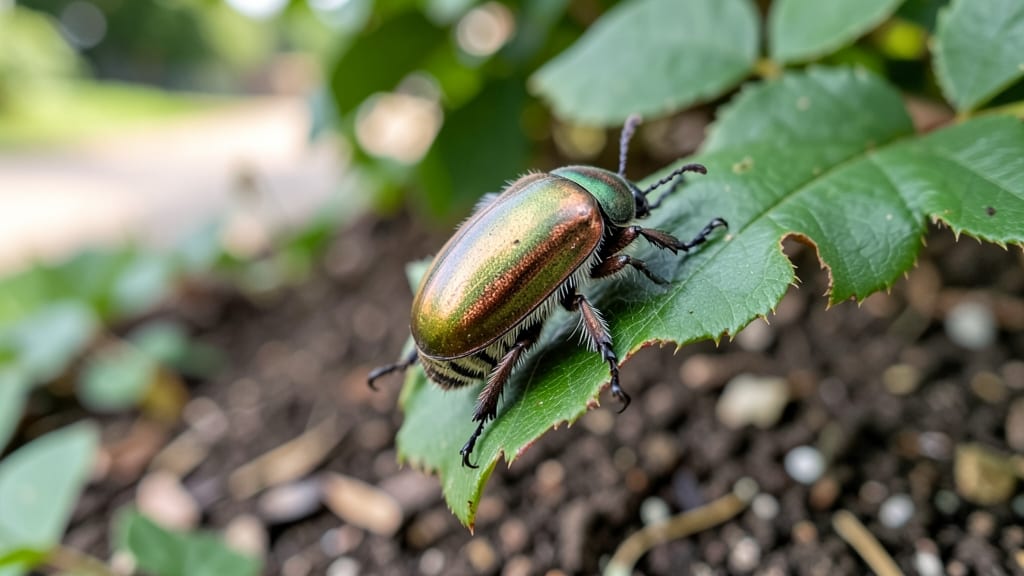
How to get rid of Japanese beetles in my garden—my prize-winning roses were reduced to skeleton leaves last summer, but I found a solution that actually works. 🌿 The good news? Neem oil spray doesn’t just kill them—it repels new ones for weeks, giving your plants time to recover. I’ve tested every "miracle cure," and this is the one that finally worked without harming my pollinators.
The secret isn’t just spraying—it’s timing. Apply when beetles are active (6 AM-10 AM on warm days) and reapply every 7-10 days during outbreaks. You’ll need a 1% neem oil concentrate, water, and a spray bottle (no fancy equipment).
The oil disrupts their feeding and reproduction cycles, but it works best when combined with handpicking in the morning.
Within 24-48 hours, you’ll see fewer beetles on your plants, and new growth will emerge faster. Roses, grapes, and beans—my usual targets—stayed lush all season. The key is consistency: one spray won’t do it, but a 3-week regimen breaks their life cycle.
Fair warning: neem oil can burn young plants in direct sunlight, so always spray in the early morning or evening. For severe infestations, pair it with milky spore for long-term prevention. Your garden will thank you—no more chewed leaves or sad, half-eaten blooms.
📚 In This Guide
- What you need
- Instructions
- Tips and common mistakes
- Wrapping up and next steps
What you need
- ● Neem oil – 1 tablespoon per quart of water (look for 100% cold-pressed, organic neem oil for best results).
- ● Water – 1 gallon (4 quarts total) (distilled or dechlorinated tap water works best).
- ○ Horticultural oil or liquid soap – ½ teaspoon per quart (optional but helps emulsify neem oil and boosts effectiveness).
- ● Spray bottle or garden sprayer – 16–32 oz capacity (a pump sprayer is ideal for larger gardens).
- ● Strainer or cheesecloth – To filter out any residue if using tap water.
- ● Protective gear – Gloves, long sleeves, and safety goggles (neem oil can irritate skin and eyes).
- ● Garlic or cayenne pepper – 1 crushed clove or ¼ tsp per quart (adds extra repellent power).
- ● Dish soap (mild, unscented) – ¼ tsp per quart (helps the spray stick to beetles).
- ● Pruning shears – For trimming heavily infested plants before spraying.
- ● Spray shield or cardboard – To protect beneficial insects and nearby plants.
Step-by-Step instructions for using neem oil to repel Japanese beetles
Here's the organic method I swear by—it's not instant, but it works for weeks.
🌿 Step 1: Gather and Prepare Your Neem Oil Spray Materials
You'll need 1 quart of water, 1 teaspoon of neem oil, 1 teaspoon of mild liquid soap (like Castile), and a spray bottle. The soap acts as an emulsifier to help the oil mix with water—without it, the oil will just float on top and won't stick to beetles or plant surfaces. I always use a glass or plastic spray bottle because metal can react with the mixture over time.
Fill the spray bottle halfway with water, then add the neem oil and soap. Shake vigorously for at least 30 seconds until the solution becomes cloudy. This indicates proper emulsification. If you see oil droplets separating, shake again. The mixture should last about 2 weeks when stored in a cool, dark place, so make fresh batches as needed.
🌱 Step 2: Apply the Spray at the Right Time of Day
Japanese beetles are most active on warm, sunny days between 10 AM and 4 PM, so that's when you should spray. Early morning applications risk the spray evaporating before beetles land on plants, while evening sprays won't catch active feeders. I like to spray every 7-10 days during peak beetle season (late June through August) for consistent protection.
Focus on the top and bottom of leaves, stems, and flowers—these are where beetles feed and lay eggs. Lightly mist the soil around plants too, as beetles often crawl up from the ground. Avoid spraying when humidity is high or rain is forecast within 24 hours, as this can wash away the oil before it works.
✂️ Step 3: Reapply Strategically After Rain or Heavy Feeding
Neem oil breaks down quickly in sunlight and rain, so reapply immediately after heavy rainfall or every 7-10 days during active beetle seasons. I mark my calendar with a reminder because missing a spray cycle means beetles return stronger. The key is consistency—one application won't keep them away for long.
Watch for new beetle activity as your signal to spray again. You'll notice fresh feeding damage (skeletonized leaves) or clusters of beetles on flowers. If you see yellowish eggs laid on leaf undersides, it's time to act fast—neem oil works best before eggs hatch into larvae.
🪴 Step 4: Combine With Physical Removal for Maximum Effect
While neem oil repels, I also handpick beetles daily during peak hours. Drop them into soapy water to kill them instantly—this prevents them from flying back to your garden. For large infestations, I use a drop cloth or tray filled with soapy water under affected plants to catch fallen beetles. This two-pronged approach gives you the best defense.
Don't forget to protect beneficial insects like ladybugs and lacewings. Spray only when beetles are actively feeding and avoid treating flowers that attract pollinators. If you see these helpers in your garden, I recommend spot-treating only the most damaged areas instead of blanket spraying.
☀️ Step 5: Monitor and Adjust for Long-Term Control
After 2-3 weeks of consistent spraying, evaluate your garden's response. If beetles are still present but not increasing in numbers, you're on the right track. However, if you notice more damage or new beetles daily, consider adding kaolin clay (a physical barrier) or milky spore (a long-term biological control) to your routine.
Japanese beetles thrive in grassy areas and lawns, so reducing their habitat nearby helps too. Mow lawns short, remove thatch, and consider planting beetle-repellent flowers like marigolds, catnip, or geraniums around your garden's perimeter. These steps create a multi-layered defense that keeps populations in check naturally.
Tips & tricks for effective Japanese beetle repellent spray
These practical insights will help you maximize your neem oil spray's effectiveness while avoiding common pitfalls.
Emulsification Check: After shaking your mixture for the required 30 seconds in Step 1, test it by gently tapping the spray bottle—if oil droplets rise to the surface within 10 seconds, shake another 15 seconds. Proper emulsification is crucial because separated oil won't adhere to plant surfaces or deter beetles effectively. I've found that using a glass spray bottle helps maintain the mixture's integrity longer than plastic.
Timing Secret: The 10 AM to 4 PM window in Step 2 is non-negotiable for maximum impact. Japanese beetles are cold-blooded—they're most active when leaf temperatures reach 80°F or higher. I recommend spraying again at 2 PM if your garden receives intense afternoon sun, as this second application catches beetles that arrive later in the day. The key is consistent coverage during their peak feeding hours.
Rainfall Rescue Strategy: When you see rain forecasted within 24 hours (as mentioned in Step 2), don't wait—spray immediately. Neem oil's effectiveness drops by 30% after just 6 hours of rain exposure. I keep a small spray bottle in my gardening toolbox specifically for emergency reapplications after downpours. The 7-10 day schedule in Step 3 assumes dry conditions—adjust to every 5-7 days during rainy periods to maintain protection.
Targeted Application: In Step 2, focus on the leaf undersides first—they're where beetles lay eggs and where you'll find the highest concentration of feeding activity. I use a magnifying glass to spot clusters of yellowish eggs (as mentioned in Step 3) and apply extra spray to those areas. This targeted approach prevents egg hatching and interrupts the beetle lifecycle more effectively than blanket coverage.
Pro Tips for Get Rid Of Japanese Beetles In My Garden
- These practical insights will help you maximize your neem oil spray's effectiveness while avoiding common pitfalls.
- Emulsification Check: After shaking your mixture for the required 30 seconds in Step 1, test it by gently tapping the spray bottle—if oil droplets rise to the surface within 10 seconds, shake another 15 seconds.
- Timing Secret: The 10 AM to 4 PM window in Step 2 is non-negotiable for maximum impact.
Frequently asked questions
about Japanese beetles and how to tackle them effectively—because no gardener should face these pests alone!When is the best time to treat Japanese beetles?
The best time to act is early morning or late evening when beetles are sluggish and easier to catch. Treat your plants before they peak (late June to August) to prevent severe damage. Neem oil works best when applied every 7–10 days during active beetle seasons.
Will neem oil harm my plants or beneficial insects?
Neem oil is generally safe for most plants when used correctly, but avoid spraying directly on flowers to protect pollinators like bees. It’s low-toxicity to beneficial insects (e.g., ladybugs, lacewings) but may deter them temporarily. Always test a small area first and reapply after rain.
What should I do if neem oil doesn’t work?
If neem oil alone isn’t enough, combine it with other methods:
- Handpick beetles and drop them in soapy water.
- Use milky spore (a natural bacteria) for long-term soil treatment.
- Set up traps with pheromones (but place them far from your garden to avoid attracting more beetles).
Persistent infestations may require repeated applications or professional pest control.
How long does neem oil protection last?
Neem oil’s effectiveness lasts about 1–2 weeks or until rain washes it away. For longer protection, reapply every 7–10 days during peak beetle activity. Pair it with kaolin clay or diatomaceous earth for added defense.
Can I use neem oil on edible plants like tomatoes or roses?
Yes! Neem oil is safe for edible plants once fully rinsed off before harvest (follow label instructions). For roses and ornamentals, it’s a great way to deter beetles without harming the plant. Just avoid spraying open flowers to protect pollinators.
Where can I buy neem oil, and what’s the best concentration?
Neem oil is available at garden centers, home improvement stores (like Home Depot or Lowe’s), or online. Choose a 1–2% cold-pressed neem oil for spraying. Look for organic-certified options if preferred. Dilute it properly (usually 1–2 tbsp per gallon of water) for best results.
Wrapping up and next steps
Japanese beetles may seem daunting, but with the right tools—like neem oil spray—you can reclaim your garden with confidence! 🌿 Remember, consistency is key: monitor your plants, reapply treatments as needed, and combine methods for the best results.
Your hard work will pay off with lush, beetle-free foliage in no time.
Ready to take action? Start today by gathering your supplies and giving your garden the protection it deserves! Whether you’re a seasoned gardener or just beginning, every step counts—so roll up your sleeves and enjoy the process. Happy gardening! 🌱