
How To
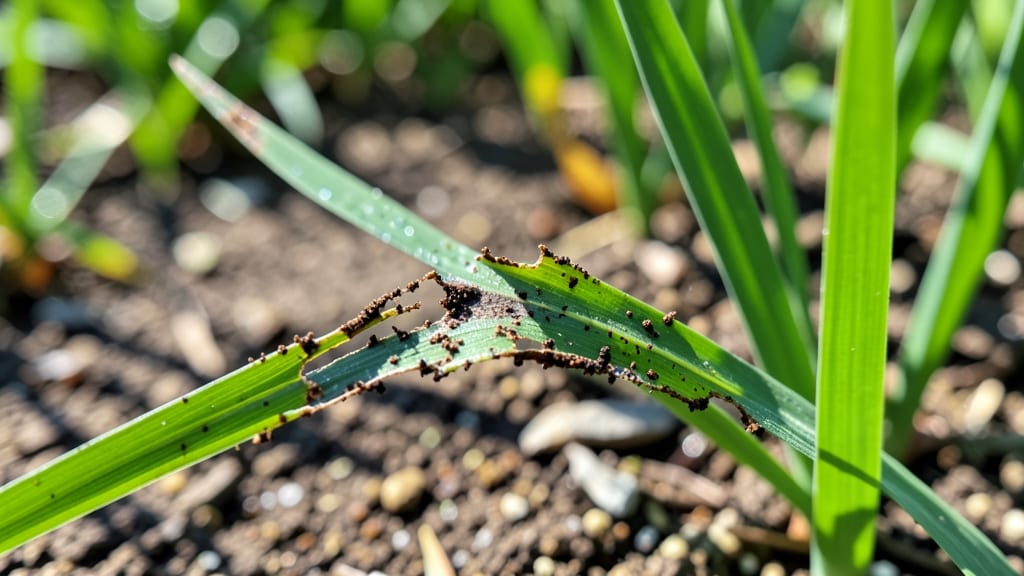
How to get rid of army worms in grass—those relentless pests that turn lush green lawns into skeleton patches overnight. 🌱 I’ve seen entire lawns chewed down to the roots in just a few days—until I discovered this boiling water method that kills nests instantly. The key is timing: scout for brown patches in the morning when worms are still underground. A simple drench of boiling water (about 2 gallons per square foot) destroys the larvae before they hatch. No chemicals needed, and it works in minutes. You’ll see immediate results—no more disappearing grass, no more hidden tunnels. The lawn recovers faster because you’re stopping the damage at the source, not just treating symptoms. For long-term prevention, keep grass tall and healthy—army worms target weak, thin lawns. Regular mowing and proper watering make your yard less inviting to these pests.
Root Causes of Army Worm Outbreaks
Army worms—those voracious caterpillars that turn lush green lawns into patchy brown wastelands—don’t just appear out of nowhere. Their infestations are the result of a mix of environmental conditions, human activity, and natural cycles.
Understanding these triggers is the first step to preventing or controlling them effectively. Let’s break down the key factors that turn your grass into an all-you-can-eat buffet for these pests.
Army worms thrive where grass is already struggling. When your lawn is stressed—whether from drought, poor soil health, or over/under-watering—it becomes an easy target. Why? Weak grass has lower nutrient levels, making it less resistant to pests.
Additionally, dense, overgrown grass provides the perfect hiding spot for army worm eggs and larvae, shielding them from predators like birds and beneficial insects.
- Drought-stressed grass: Lack of moisture weakens roots, making blades easier to chew through.
- Compacted soil: Poor drainage and root suffocation create ideal conditions for outbreaks.
- Fertilizer imbalances: Too much nitrogen (without proper potassium and phosphorus) makes grass soft and appealing to larvae.
Actionable insight: Regular mowing, proper watering (1–1.5 inches per week), and soil testing can fortify your grass against invasions.
Army worms start as eggs laid by adult moths, and their arrival is tied to specific weather patterns. Peak egg-laying seasons occur during warm, humid nights (typically spring and early summer), when moths are most active. If your region experiences:
- Warm nights (70°F+): Moths emerge and seek out grassy areas to deposit eggs.
- High humidity: Eggs hatch faster, giving larvae a head start on devouring your lawn.
- Recent rain or irrigation: Moist soil signals to moths that grass is tender and ripe for feeding.
Pro tip: Monitor weather forecasts in late spring—if warm, humid nights are predicted, be on alert for egg masses (small, white, cotton-like clusters on grass blades).
In a healthy ecosystem, army worms face a gauntlet of predators: birds (like grackles and starlings), parasitic wasps, and even spiders. But when these natural defenses are disrupted, outbreaks spiral. Common disruptors include:
- Pesticide overuse: Broad-spectrum insecticides kill beneficial insects that prey on army worm eggs and larvae.
- Urbanization: Fewer songbirds and ground-dwelling predators in suburban lawns mean fewer checks on army worm populations.
- Monoculture lawns: Uniform grass types (like Bermuda or Kentucky bluegrass) offer no diversity for predator habitats.
Actionable fix: Reduce chemical use, plant native wildflowers or clover in borders to attract predator species, and leave some "wild" areas where birds can forage.
Army worms aren’t picky—they’ll munch on any green plant material. If your lawn borders:
- Cornfields or grain crops
- Weeds like crabgrass or chickweed
- Even mulch or compost piles
…these act as overflow feeding grounds. Moths lay eggs near these sources, and larvae spill over into your lawn once the primary food runs out.
Key fact: Army worms can travel up to 50 feet in a night, so proximity to these hosts increases risk exponentially.
Remember: The more you understand these triggers, the better you can disrupt the cycle. Next, we’ll cover how to prevent army worms before they strike—or eliminate them with targeted solutions like boiling water drenches.
How to Fix Army Worm Damage
Army worms may seem like a tiny but terrifying lawn invader, but the good news is you can tackle them effectively with the right approach.
Whether you’ve spotted their telltale signs—skeletons of grass, brown patches, or frass (their droppings)—or you’re taking preventive measures, here’s a breakdown of practical, actionable solutions tailored to the root causes of an army worm infestation.
If you’ve confirmed army worms are munching on your grass, act fast to minimize damage. These pests hide during the day, so early morning or late afternoon is the best time to hunt them down.
👨🍳 Manual Removal: The Boiling Water Drench Method
This is the instant fix mentioned in the article title—and it works like a charm. Here’s how: 1. Locate the nests: Look for brown, chewed grass or small holes where larvae are tunneling.
- Boil water: Fill a kettle or pot with enough water to cover the affected area (about 1 gallon per square foot).
- Drench the nests: Slowly pour the boiling water directly onto the larvae.
The high temperature instantly kills them on contact. 4. Repeat as needed: Check the area daily for 3–5 days, as new larvae may emerge.
> ⚠️ Safety Tip: Wear gloves and avoid pouring boiling water near pets or children. Also, this method is best for small infestations—large lawns may need a broader approach.
If manual removal feels tedious, let nature do the work with these eco-friendly options:
🐛 Beneficial Nematodes (Stealthy Predators)
- How it works: Microscopic nematodes (Heterorhabditis bacteriophora) infect and kill army worm larvae without harming plants or people.
- How to apply:
- Purchase nematodes online or from garden centers (look for brands like Nemex or Scotts BioSafe).
- Mix them with water and apply in the early evening (they die in sunlight).
- Water lightly afterward to help them move into the soil.
- Best for: Lawns with moderate infestations (apply every 4–6 weeks during warm months).
🐦 Encourage Bird Activity
- Why it works: Birds like robins, grackles, and starlings love eating army worms.
A healthy bird population can reduce larvae by 50–70%. - How to attract them: - Install birdhouses or feeders near your lawn. - Leave some grassy areas slightly tall (6–12 inches) for cover. - Avoid pesticides that harm birds (opt for targeted treatments instead).
Chemicals should be a last resort, but if the infestation is severe, pyrethrin-based insecticides or Bt (Bacillus thuringiensis) can help.
🔪 Bt (Bacillus thuringiensis): The Safe Killer
- Why it works: Bt is a natural bacteria that targets caterpillars (like army worms) but is harmless to humans, pets, and beneficial insects.
- How to apply:
- Mix Bt powder or granules with water and spray evenly over the lawn.
- Reapply every 7–10 days until larvae are gone (it takes 24–48 hours to work).
- Best for: Organic lawns or areas with kids/pets.
🛡️ Pyrethrin Sprays: Fast but Temporary
- Why it works: Derived from chrysanthemums, pyrethrins kill larvae on contact.
- How to apply:
- Spray in the evening (to avoid harming bees).
- Follow label instructions for coverage (usually 1–2 applications).
- Caution: This kills all insects, including beneficial ones.
Use only if other methods fail.
Even after eliminating army worms, your lawn may look patchy. Here’s how to revive it:
🌱 Overseed Bare Spots
- Rake the area: Remove dead grass and debris to expose soil.
- Apply seed: Choose a fast-growing grass seed (like ryegrass or fescue) and spread evenly.
- Cover lightly: Use straw or peat moss to protect seeds from birds.
- Water daily: Keep soil moist until new grass sprouts (about 7–14 days).
💧 Fertilize for Recovery
- Apply a balanced fertilizer (10-10-10 or similar) to help grass roots regrow.
- Avoid heavy nitrogen until new growth appears (it can stress weak grass).
The best defense is a strong, healthy lawn that army worms avoid. Here’s how to prevent future infestations:
🌡️ Maintain Proper Mowing Height
- Keep grass 3–4 inches tall—taller grass shades soil, making it less appealing to moths (army worm parents).
- Never scalp your lawn (cutting too short), as this stresses grass and attracts pests.
🎯 Rotate Treatments Seasonally
- Apply Bt or nematodes preventively in late spring and early summer (when army worms are most active).
- Consider neem oil sprays in early season to deter moths from laying eggs.
💡 Monitor and Act Early
- Walk your lawn weekly (especially after rain) to spot early signs of damage.
- Use a flashlight at night to check for larvae—if you see 5+ worms per square foot, it’s time to act.
🌿 Diversify Your Lawn
- Plant clover or other ground covers in shady areas—army worms prefer monoculture grass.
- Avoid over-fertilizing with nitrogen, which makes grass soft and tastier for larvae.
For maximum effectiveness, mix two or more of these strategies:
- Boiling water drench (for immediate nests) + Bt spray (for lingering larvae) + bird-friendly lawn (long-term control).
- Nematodes in spring + overseeding bare spots to strengthen grass.
Army worms are a nuisance, but with quick action and smart prevention, you can save your lawn without resorting to harsh chemicals. Start today—your grass will thank you! 🌿🚀
Frequently asked questions
How do I know if I have army worms and not just regular grass damage?
Look for skeletonized grass (blades chewed to the midrib) and small piles of black droppings called frass. Army worms also create tunnels in the soil—lift a small section of grass to spot them. Unlike deer or chinch bugs, army worm damage appears overnight and often forms irregular patches.
Is boiling water safe for my lawn after killing army worms?
Yes! Boiling water targets only the larvae and won’t harm grass roots. However, avoid over-saturating the soil—focus on direct drenching of nests (about 1 gallon per square foot). For large areas, follow up with Bt spray or nematodes to catch any survivors.
Can I use vinegar or dish soap to kill army worms?
No—vinegar and dish soap won’t effectively kill larvae. Vinegar burns grass, and soap only coats worms temporarily. Stick to boiling water, Bt, or nematodes for proven results. If you’re dealing with eggs, neem oil can deter moths from laying more.
How long does it take for grass to recover after army worm damage?
With proper care, grass typically regrows in 2–4 weeks. Overseed bare spots immediately, water daily, and avoid heavy foot traffic. For severe cases, apply a light fertilizer (like 10-10-10) after new growth appears to strengthen roots.
Are army worms harmful to pets or humans?
No—they’re not dangerous to touch or ingest. However, some chemical treatments (like pyrethrins) can be toxic to pets if inhaled or ingested. Always use Bt or nematodes around kids/pets, and keep animals off treated lawns for 24 hours after application.