
Pests
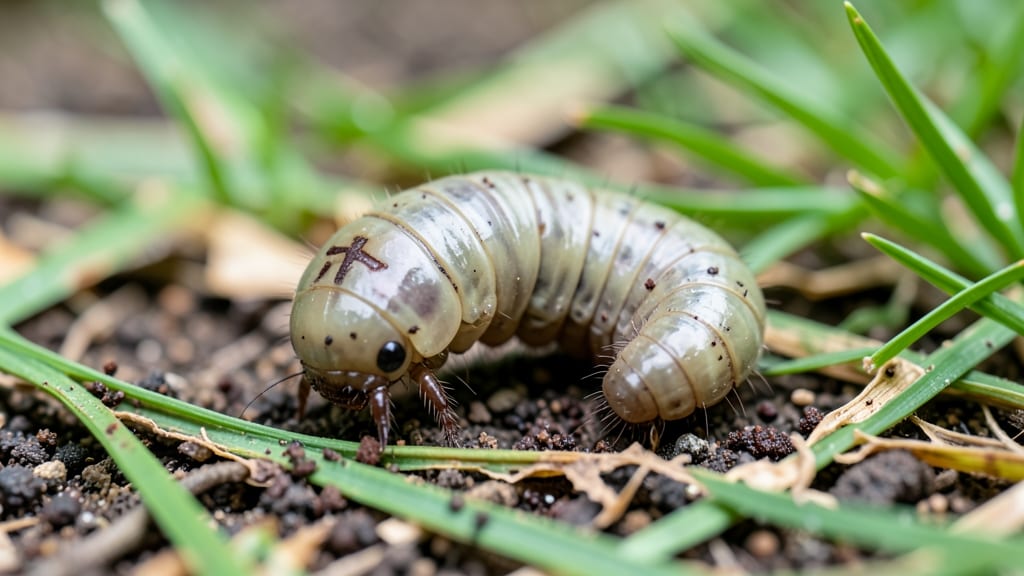
How to get rid of army worms in your yard—before they turn lush lawns into skeletal patches overnight. 🌱 I’ve watched them strip entire yards bare in just days—until I learned the 3-step organic rescue that works without harsh chemicals. The key? Acting fast when you spot the damage. These striped caterpillars hide in grass blades during the day, emerging at night to devour everything. Look for brown patches that pull up like carpet or birds swooping down to feast. The damage isn’t just cosmetic—it weakens grass roots permanently if left unchecked. With the right approach, you can eliminate them in 72 hours using natural predators, homemade sprays, and simple lawn care tweaks. My yard went from bare spots to full recovery in under two weeks using these methods. The best part? These solutions protect pollinators and keep your lawn healthy long-term. Let’s get your grass back to its vibrant self—without the chemical cleanup.
The Hidden Triggers Behind Army Worms
Army worms don’t just appear out of nowhere—they’re the result of a perfect storm of environmental and ecological factors. Understanding these causes is the first step to preventing and controlling them before they devour your yard. Let’s break down the science behind their invasion.
Army worms thrive in thick, lush grass because it provides the ideal food source and shelter. When lawns are overwatered, over-fertilized, or left unmaintained, they create a buffet for these caterpillars. Here’s why:
- Rich, soft grass is easier for army worms to burrow into and consume. They prefer grasses like tall fescue, Kentucky bluegrass, and ryegrass, which are common in home lawns.
- Thatch buildup (a layer of dead grass and roots) traps moisture and organic matter, making it a cozy hiding spot for eggs and larvae.
- Lack of diversity in your lawn’s plant life means fewer natural predators (like birds or parasitic wasps) to keep army worm populations in check.
Pro Tip: 💡 Regular mowing (but not cutting more than ⅓ of the grass blade at once) and proper fertilization can reduce their food supply. Aim for a height of 2–3 inches to discourage infestations.
Army worms are most active during warm, humid conditions—typically between 70°F and 90°F. Their lifecycle accelerates in these environments, leading to rapid population growth. Here’s how weather plays a role:
- Spring and early summer rains create moist soil, which army worms love for laying eggs. A single female can deposit up to 1,000 eggs in the grass thatch.
- High humidity keeps the eggs and young larvae from drying out, allowing them to hatch and thrive.
- Sudden heatwaves can trigger mass emergence from pupae, leading to a sudden outbreak.
Pro Tip: ✨ If your area is prone to warm, wet springs, monitor your lawn closely in May and June—this is peak army worm season.
Army worms start their life cycle as eggs laid by fall armyworms (Spodoptera frugiperda) or true armyworms (Pseudaletia unipuncta). These moths are excellent fliers and can travel hundreds of miles on wind currents, dropping eggs in new territories. Here’s how it works:
- Nocturnal moths lay eggs in grass thatch or on the underside of leaves, often after dark.
- Eggs hatch in 3–7 days into larvae that immediately start feeding, creating the damage you see.
- Multiple generations per year mean repeated infestations if conditions are favorable.
Pro Tip: 🌡️ Use a flashlight at dusk to spot adult moths. If you see them, it’s a sign eggs may already be in your lawn.
Lawns planted with a single type of grass (monoculture) are more vulnerable to army worms because they lack the biodiversity that supports natural predators. Here’s why diversity matters:
- Birds and beneficial insects (like parasitic wasps and ground beetles) feed on army worms but struggle in uniform lawns.
- Grass clover mixes or native grasses can disrupt army worm feeding patterns and attract more predators.
- Healthy soil microbes compete with army worm larvae for nutrients, reducing their numbers.
Pro Tip: 🎯 Consider overseeding with white clover or buffalo grass to add resilience to your lawn.
Now that you know why army worms show up, you’re better equipped to stop them before they strip your yard bare. The next step? Proactive strategies to keep them out.
Quick Fixes for Army Worm Havoc
Army worms may seem like a formidable foe, but with the right strategies, you can reclaim your yard in no time. Below are practical, step-by-step solutions tailored to the root causes of an army worm infestation—whether it’s overgrown grass, poor lawn care, or an unexpected outbreak.
Each fix is designed to be effective, eco-friendly, and easy to execute, even for beginners.
If your lawn is a lush, untamed jungle, army worms will feast like it’s all-you-can-eat night. Thin, patchy, or overly tall grass invites these pests to set up shop. Here’s how to starve them out and strengthen your turf:
1️⃣ Mow Short & Regularly (But Not Too Short!)
- 🔥 Trim grass to 2–3 inches tall—this exposes army worms to predators (like birds) and dries out their hiding spots.
- ⏰ Mow weekly during peak growing seasons (spring/fall) to prevent overgrowth.
- ⚠️ Avoid scalping your lawn—stressed grass is more vulnerable to pests and disease.
2️⃣ Overseed Bare Spots (Close the Loopholes)
- 🌱 Fill in thin or bare patches with tall fescue or Kentucky bluegrass (they recover faster than Bermuda or St. Augustine).
- 💡 Pro Tip: Use a slit-seeder for better seed-to-soil contact, or spread seed by hand on a calm day.
- 🌧️ Water lightly 2x/day for 10–15 minutes until seeds germinate (about 2–3 weeks).
3️⃣ Apply Compost or Fertilizer (Boost Lawn Resilience)
- 🍽️ Feed your lawn with a balanced fertilizer (16-4-8 or 10-10-10) in early spring and fall.
- 🌿 Top-dress with compost (¼ inch layer) to improve soil health and crowd out weeds (which army worms love).
- ✨ Avoid over-fertilizing—this can attract more pests if grass grows too fast.
If you’ve already spotted chewed grass, brown patches, or tiny worms, it’s time to act fast. These methods eliminate army worms without harsh chemicals (unless necessary).
1️⃣ Handpick & Destroy (The Old-School Method)
- 🕵️♂️ Go out at dusk (when army worms are most active) with a flashlight.
- 🪰 Use a shovel or trowel to flip over infested patches—worms will curl up and become visible.
- 🔥 Drop them in soapy water (1 tbsp dish soap per gallon) to kill them instantly.
- 💡 Pro Tip: Check under mulch, debris, or near irrigation lines—they love hiding there!
2️⃣ Use Beneficial Nematodes (Nature’s Pest Control)
- 🐛 Heterorhabditis bacteriophora nematodes are microscopic, living pesticides that seek out and kill army worms.
- 🛒 Buy online (e.g., Grow More!
BioNem) and apply evening or early morning (they die in sunlight). - 💧 Water lightly before/after to help them move through the soil. - ⏳ Results in 48–72 hours—reapply every 4–6 weeks if needed.
3️⃣ Diatomaceous Earth (DE) Barrier (Safe & Effective)
- 🪨 Food-grade DE is a natural powder that dries out and kills army worms by damaging their exoskeletons.
- 🌬️ Sprinkle lightly over infested areas (avoid windy days—it’s a fine powder!).
- 💧 Reapply after rain or watering (it loses effectiveness when wet).
- ⚠️ Wear a mask—it’s irritating to lungs.
4️⃣ Bacillus thuringiensis (Bt) – The Organic Spray
- 💊 Bt kurstaki is a bacteria-based pesticide safe for humans, pets, and beneficial insects.
- 🛒 Buy as a powder or spray (e.g., Dipel, Thuricide).
- 🌿 Mix with water and spray evenly on grass (focus on chewed areas).
- 🌱 Reapply every 7–10 days until worms are gone (it only works if ingested).
5️⃣ Chicken or Duck Patrol (If You Have Livestock)
- 🐔 Chickens and ducks LOVE army worms—they’ll devour them like popcorn.
- 🏡 Let them free-range in the yard for a few hours or use a mobile coop.
- 💡 Pro Tip: Supervise at first—some birds may peck at your lawn too!
The best way to keep army worms out for good is to make your yard less inviting. Here’s how:
1️⃣ Maintain a Healthy Lawn Year-Round
- 🌱 Mow, water, and fertilize consistently—stress = army worm buffet.
- 🌿 Keep grass at 2–3 inches (tall grass = worm hotel).
- 🚫 Avoid excessive nitrogen—it makes grass soft and tasty for pests.
2️⃣ Remove Debris & Weeds (Worm Hideouts)
- 🪴 Clear leaf litter, mulch piles, and thatch—these are army worm hiding spots.
- 🌿 Pull weeds (especially broadleaf types) before they seed.
- 💡 Pro Tip: Use a leaf blower to clear debris from lawn edges.
3️⃣ Encourage Natural Predators
- 🐦 Birds (robins, grackles, starlings) eat army worms by the handful.
- 🐝 Beneficial insects (ground beetles, parasitic wasps) help control populations.
- 🌿 Plant native grasses and wildflowers to support predator ecosystems.
4️⃣ Monitor & Act Early
- 🕵️♀️ Check your lawn weekly (especially after rain or mowing).
- 🚨 Look for:
- Worms crawling on grass (dusk is prime time).
- Birds pecking at the ground (they’re eating worms!).
5️⃣ Use Milky Spore (For Grubs, Not Army Worms—but Helpful!)
- 🪰 While not a direct army worm killer, milky spore (Bacillus popilliae) targets Japanese beetle grubs, which can reduce future worm food sources.
- 🛒 Apply as a powder in early fall—it spreads naturally over time.
Final Thought: Army worms may seem like a nightmare, but with consistent lawn care, early action, and a few natural tricks, you can outsmart them every time.
Start with one or two methods, monitor progress, and adjust as needed—your yard will be back in top shape in no time! 🌿💪
Frequently asked questions
How do I know if my lawn has army worms instead of grubs?
Look for chewed grass blades that pull up like carpet—this is classic army worm damage. Grubs (white, C-shaped larvae) live underground and create irregular brown patches, while army worms (striped, inch-long caterpillars) feed on grass blades at night. Check at dusk with a flashlight: if you see worms crawling, it's army worms.
Can I use neem oil to kill army worms?
Neem oil won't kill army worms directly, but it can deter them when mixed with water and sprayed on grass. For best results, combine it with Bacillus thuringiensis (Bt) or beneficial nematodes—these are far more effective. Reapply every 5-7 days, especially after rain, for maximum protection.
Why do birds suddenly appear when army worms show up?
Birds like robins, grackles, and starlings love army worms—they're a protein-rich snack! If you notice flocks pecking at your lawn, it's a clear sign of infestation. This is actually helpful: birds can eat hundreds of worms per day and reduce populations naturally. Just act fast if the damage is severe.
How long does it take for diatomaceous earth to work?
DE starts working within 24-48 hours by dehydrating the worms, but full results take 3-5 days. Remember: it loses effectiveness when wet, so reapply after rain or watering. For best coverage, sprinkle lightly on dry grass at dusk when worms are most active.
Are army worms harmful to pets or children?
No, army worms are not dangerous to pets or humans—they're just pests. However, some chemical pesticides can be harmful if ingested. Always use organic methods (like Bt or nematodes) around kids and pets, and avoid chemical sprays. The worms themselves won't bite or sting.