
Size
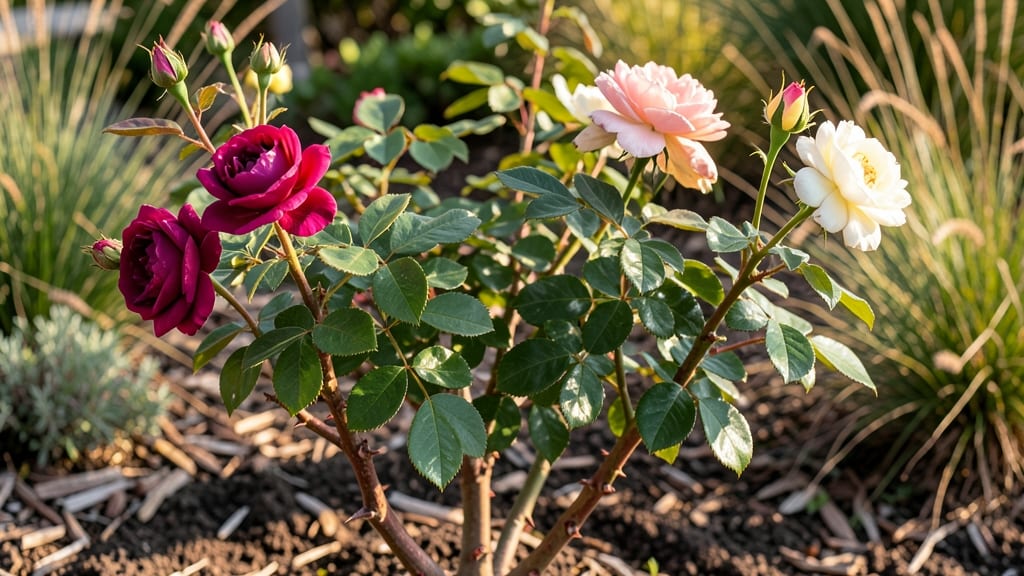
How to make roses grow is all about sunlight—6+ hours daily transforms floppy stems into bushes covered in blooms. 🌸 I’ve watched my own roses go from sad, sparse plants to lush, repeat-blooming powerhouses just by adjusting where they grow. The secret isn’t fancy fertilizers or expensive soil—it’s light exposure, and I’ll show you exactly how to maximize it.
Start with the right location: full sun means south-facing in most climates, with no shade from trees or buildings. If your yard lacks perfect sun, try reflective surfaces like white walls or gravel to bounce extra light onto plants.
Roses also need well-draining soil—amend heavy clay with compost or sand, and avoid soggy spots where roots rot.
Once planted, water deeply but infrequently—soaked soil encourages strong roots, while light sprinkles create weak, thirsty stems. Prune in early spring to remove dead wood and shape the bush, then feed with balanced rose fertilizer every 4-6 weeks.
The payoff? Nonstop blooms from June through frost—and roses that actually outlast the season.
This works for hybrid teas, floribundas, and even climbing roses—just adjust spacing. The key is consistency: sun, soil, and patience. Let’s get those blooms growing!
📚 In This Guide
- What you need
- Instructions
- Tips and common mistakes
- Wrapping up and next steps
What you need
- ● Rose plants: Bare-root roses (1–5 plants, depending on space)
- ● OR Potted roses (1–3 plants, 1–3 gallons in size)
- ● Soil: Well-draining potting mix (50% garden soil + 50% compost)
- ○ Optional: Perlite or sand (1 part per 10 parts soil for aeration)
- ● Sunlight & Space: Full sun (6+ hours of direct sunlight daily)
- ● Spacious area (3–4 feet between plants for airflow)
- ● Planting Supplies: Garden trowel or shovel
- ● Pruning shears (sterilized with rubbing alcohol)
- ● Organic mulch (2–3 inches of wood chips or straw)
- ● Watering Tools: Watering can or hose with a gentle spray nozzle
- ○ Drip irrigation system (optional for consistent moisture)
- ● Fertilizer: Balanced rose fertilizer (10-10-10 or organic options like fish emulsion)
- ● Epsom salt (1 tablespoon per gallon of water, monthly for magnesium boost)
- ● Rose food or bloom booster (for extra vibrancy)
- ● Pest control: Neem oil or insecticidal soap (for aphids/beetles)
- ● Support stakes or trellis (for climbing roses)
Step-by-Step instructions for cultivating thriving roses
Here's the method I've perfected for coaxing roses into lush, repeat-blooming glory—no matter your climate.
🌱 Step 1: Select the Right Variety for Your Sunlight
Roses thrive best with 6-8 hours of direct sunlight daily, but not all varieties handle heat equally. Hybrid teas and floribundas demand full sun, while some rugosas and climbers tolerate partial shade. Check your garden's sun patterns first—watch where shadows fall at midday for 2-3 days before choosing plants. I always opt for disease-resistant varieties like 'Knock Out' or 'David Austin English Roses' because they handle my 75-85°F summers without fuss.
If your space only gets 4-6 hours of sun, focus on shade-tolerant roses planted near a south-facing wall where they'll catch reflected light. The key is matching the plant's needs to your site's reality—no amount of care will compensate for the wrong variety in the wrong spot.
☀️ Step 2: Position for Maximum Sun Exposure
Plant roses where they'll receive morning sun and afternoon shade in hot climates—this prevents leaf scorch. In cooler regions, full sun all day is ideal. Dig a hole twice as wide as the root ball but only as deep—planting too deep suffocates the graft union. Loosen the roots slightly if they're circling before placing the rose in the hole.
Fill the hole with native soil mixed with compost (if not already amended) and water deeply to settle everything. I always add a 2-inch layer of mulch around the base to retain moisture and regulate soil temperature. Keep mulch 6 inches away from the stem to prevent rot.
💧 Step 3: Water Deeply and Consistently
Roses hate dry feet but despise soggy roots even more. Water deeply once a week (or more in extreme heat) until moisture reaches 12-18 inches down. You'll know you've watered enough when the soil feels damp at that depth—stick your finger in to check. Drip irrigation is ideal because it delivers water slowly at the roots where it's needed most.
Morning watering prevents fungal diseases by giving leaves time to dry. If you notice yellowing leaves or wilting despite wet soil, you're likely overwatering. Adjust your schedule based on rainfall—your roses should never need supplemental water if 1 inch of rain falls weekly.
✂️ Step 4: Prune for Airflow and Light Penetration
Prune in early spring (just as buds swell) to remove dead, crossing, or inward-growing branches. Cut just above an outward-facing bud at a 45-degree angle to encourage new growth. I always sterilize my pruners with rubbing alcohol between cuts to prevent disease spread. Never prune more than one-third of the plant in a single season—this stresses roses unnecessarily.
Thin out crowded canes to improve airflow, which reduces fungal diseases like black spot. Open centers let sunlight reach inner buds, stimulating more blooms. After pruning, apply a balanced fertilizer (10-10-10) to support new growth. Watch for new shoots emerging from the graft union—these are called "suckers" and should be removed immediately to maintain the desired variety.
🌿 Step 5: Feed and Protect for Year-Round Growth
Fertilize roses every 4-6 weeks during the growing season with a rose-specific formula high in phosphorus for blooms. I switch to a lower-nitrogen formula in late summer to encourage hardier fall growth. Organic options like composted manure or fish emulsion work well if you prefer chemical-free methods. Always water before and after fertilizing to prevent root burn.
Protect roses from pests like aphids and Japanese beetles with neem oil sprays applied in early morning. For fungal diseases, I mix 1 part baking soda with 10 parts water and a drop of dish soap as a preventive spray. Deadhead spent blooms regularly to encourage continuous flowering—this simple step extends the season by weeks. In winter, mulch heavily (up to 4 inches) to insulate roots from freezing temperatures.
Tips & tricks for perfect rose cultivation
These insights will help you avoid common pitfalls and maximize your roses' potential for vibrant, repeat blooms.
Sunlight Strategy: After observing your garden's sun patterns for those 2-3 days as suggested in Step 1, consider using a simple solar tracker app to map sunlight exposure. I've found that east-facing gardens often get the most consistent morning light—perfect for roses that prefer morning sun and afternoon shade. For hot climates, a 30% shade cloth during peak afternoon hours (12-3 PM) can prevent leaf scorch while still allowing plenty of light for photosynthesis.
Planting Precision: When digging that twice-as-wide hole in Step 2, I recommend using a garden spade to create vertical sides rather than a rounded hole. This prevents soil compaction around the roots. For container-grown roses, gently tease apart any circling roots before planting—this encourages outward growth rather than root binding. The 2-inch mulch layer should be spread evenly but avoid piling against the stem to prevent moisture buildup that causes rot.
Watering Wisdom: The 12-18 inch moisture depth guideline from Step 3 is crucial, but don't rely solely on finger tests in heavy clay soils. Instead, use a soil moisture meter for accuracy—these cost under $20 and save you from overwatering. For established roses, I've found that deep watering every 10 days (rather than weekly) during rainy seasons prevents root rot while maintaining moisture. Always water at the base rather than overhead to minimize fungal spores splashing onto leaves.
Pruning Pro Tips: When making those 45-degree cuts above outward-facing buds in Step 4, I use a small notepad to mark which canes I've pruned to avoid accidentally cutting healthy growth. For roses that bloom on old wood (like climbers), I reduce pruning to just removing dead wood—this preserves next year's flower buds. Sterilizing pruners between cuts with rubbing alcohol isn't just about disease prevention; it also keeps your tools sharp longer by preventing sap buildup.
Pro Tips for Make Roses Grow
- These insights will help you avoid common pitfalls and maximize your roses' potential for vibrant, repeat blooms.
- Sunlight Strategy: After observing your garden's sun patterns for those 2-3 days as suggested in Step 1, consider using a simple solar tracker app to map sunlight exposure.
- Planting Precision: When digging that twice-as-wide hole in Step 2, I recommend using a garden spade to create vertical sides rather than a rounded hole.
Frequently asked questions
How much sunlight do roses really need per day?
Roses thrive with 6–8 hours of direct sunlight daily. If your garden gets less, opt for dwarf varieties or place them near south-facing windows. Morning sun + afternoon shade works for hot climates. Avoid deep shade—it leads to leggy stems and fewer blooms.
Can I grow roses indoors under grow lights?
Yes! Use full-spectrum LED grow lights 12–16 hours/day, positioned 6–12 inches above the plant. Miniature roses or spray roses adapt best. Keep humidity high (try a pebble tray) and rotate the plant weekly for even growth. Outdoor roses won’t thrive indoors long-term—they need seasonal cycles.
Why are my rose leaves turning yellow?
Yellow leaves usually signal overwatering, nutrient deficiency, or fungal issues. Check soil moisture (top inch should dry between waterings) and look for black spots (fungus) or pale stems (lack of iron). Adjust care: water at the base, mulch to retain moisture, and fertilize with rose-specific food every 4–6 weeks.
What’s the fastest way to grow roses from cuttings?
Use semi-hardwood cuttings (4–6 inches long) from healthy stems. Dip the base in rooting hormone, plant in moist perlite/sand mix, and cover with a plastic bag. Keep in bright, indirect light (no direct sun) and mist daily. Roots form in 4–8 weeks—transplant when you see new growth!
Do roses need winter protection?
In USDA zones 5–7, mound soil or mulch around the base (up to the bud union) to insulate roots. Wrap canes loosely with burlap or rose cones in freezing temps. Evergreen roses handle cold better than hybrid teas. Prune in late winter (before buds swell) to encourage spring blooms.
Wrapping up and next steps
Growing lush, vibrant roses is all about harnessing the power of sunlight, patience, and a little know-how! 🌸 By choosing the right variety, providing 6 to 8 hours of direct sunlight daily, and adjusting care for seasonal shifts, you’re well on your way to a stunning garden.
Remember, even the most experienced gardeners started with a single bud—so don’t be discouraged by early challenges.
Now that you’re armed with these sunlight secrets, why not take the next step? Experiment with pruning techniques or explore companion plants to enhance your roses’ growth. Happy gardening—your future blooms will thank you! 🌞