
Blooming
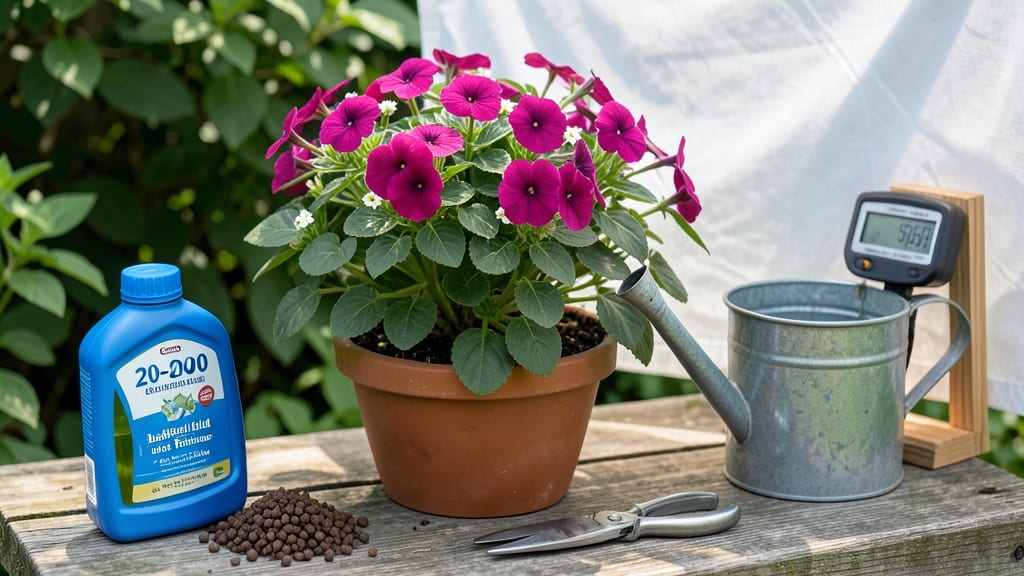
How to get impatiens to bloom—your plants are throwing a tantrum by refusing to flower, and the fix is simpler than you’d think. The problem? Too much shade, too much food, or too little pruning. I’ve nursed back more than my share of leafy, flowerless impatiens, and the solution lies in balancing sunlight, fertilizer, and a little strategic cutting.
Start with morning sun—just 3-4 hours daily—and move them to shade by afternoon. Overfeeding with high-nitrogen fertilizer makes them grow leaves instead of blooms; switch to a balanced bloom booster (10-10-10 or 5-10-5) every 4-6 weeks.
And yes, pruning works—snip back leggy stems to encourage bushier growth and more flowers.
Within 2-3 weeks, you’ll see new buds forming where the old ones faded. The key is consistency: trim spent blooms (deadhead), avoid soggy soil, and keep them in that sweet spot between sun and shade. Your impatiens will reward you with nonstop color from spring to frost.
Bonus: This works for New Guinea impatiens too—they just need slightly more light. No fancy tools, just patience and a sharp pair of scissors. Let’s get those blooms back!
📚 In This Guide
- What you need
- Instructions
- Tips and common mistakes
- Wrapping up and next steps
What you need
- ● Impatiens plants – Choose healthy, disease-free seedlings or mature plants (1-3 per pot, depending on container size).
- ● Well-draining potting mix – A high-quality blend (e.g., 60% peat moss, 20% perlite, 20% compost) or a pre-mixed container mix (5-10 gallons, depending on plant quantity).
- ○ Balanced liquid fertilizer – A 10-10-10 or 20-20-20 NPK formula (1 gallon per 10-15 plants). Optional: Slow-release granules for convenience.
- ● Bloom booster fertilizer – High-phosphorus (e.g., 5-10-5 or 10-30-20) to encourage flowering (½ cup per 5 gallons of water).
- ● Pruning shears or clean scissors – Sharp, sterilized tools to trim spent blooms and leggy stems.
- ● Watering can or hose with a gentle spray nozzle – Avoid splashing soil to prevent disease.
- ● Grow lights or shade cloth – For indoor impatiens or areas with intense afternoon sun (adjustable to 40-60% shade).
- ● Epsom salt (magnesium sulfate) – 1 tablespoon per gallon of water, monthly, to prevent yellowing leaves.
- ● Mulch (e.g., pine bark or straw) – 1-2 inches to retain moisture and regulate soil temperature.
- ● Compost tea or fish emulsion – For an organic nutrient boost (follow package instructions).
- ● Support stakes or cages – If your impatiens grow tall (e.g., Impatiens walleriana varieties).
Tips & tricks for perfect impatiens blooms
These insider strategies will help you coax vibrant blooms from your impatiens with minimal effort.
Light Exposure Insight: The 6+ hours of bright, indirect light in Step 1 is non-negotiable for flower production. If your windowsill doesn't provide enough light, invest in a quality LED grow light—these are more energy-efficient than traditional bulbs and provide the full spectrum needed for photosynthesis. Position it 12-18 inches above your plants for consistent results. I've found that blue spectrum lights (around 450nm wavelength) work particularly well for promoting bud formation, though most full-spectrum grow lights will do the job.
Pruning Precision: When implementing the strategic pruning in Step 2, focus on making cuts at a 45-degree angle just above a leaf node. This angled cut prevents water from pooling on the stem, reducing the risk of fungal infections. For particularly leggy stems, you can make two cuts: one to remove the excess growth and another to encourage branching at a lower node. The key is to never remove more than one-third of the plant's foliage at once—this ensures the plant has enough energy to recover and produce new blooms.
Fertilizer Timing: The 2-3 week feeding schedule in Step 3 works best when paired with a consistent watering routine. Always apply fertilizer to moist soil—never dry—to prevent root burn. I recommend mixing your fertilizer with water in a spray bottle for even distribution. This method also helps you monitor how much you're applying, ensuring you're not overdoing it. For an added boost, consider using a liquid seaweed fertilizer once a month alongside your regular feeding schedule—it enhances root development and stress resistance.
Watering Wisdom: The "top inch dry" rule in Step 4 is a good guideline, but the best way to check moisture is by lifting the pot—it should feel slightly heavy when it's time to water. If your tap water is particularly hard or alkaline, consider using rainwater or distilled water instead. The minerals in hard water can build up in the soil over time, affecting nutrient uptake and potentially leading to nutrient deficiencies that manifest as yellowing leaves or stunted growth.
Pro Tips for Get Impatiens To Bloom
- These insider strategies will help you coax vibrant blooms from your impatiens with minimal effort.
- Light Exposure Insight: The 6+ hours of bright, indirect light in Step 1 is non-negotiable for flower production.
- Pruning Precision: When implementing the strategic pruning in Step 2, focus on making cuts at a 45-degree angle just above a leaf node.
Frequently asked questions
Got questions about coaxing those vibrant impatiens blooms? You’re not alone! Here are some of the most common concerns—and quick fixes—to keep your plants bursting with color.
Why aren’t my impatiens blooming at all?
Impatiens need bright, indirect light (like 4–6 hours of morning sun) to trigger blooming. Too little light = leggy stems and few flowers. Also, check for overcrowded roots or a lack of fertilizer—these can stall blooms. Try moving them to a sunnier spot (but avoid harsh afternoon rays) and feed them every 2–4 weeks with a balanced bloom booster.
How long does it take for impatiens to bloom after planting?
With ideal conditions (right light, consistent water, and fertilizer), impatiens often bloom within 4–8 weeks of planting. If they’re slow, they might need a little extra TLC—like pinching back leggy stems or ensuring they’re not root-bound. Patience is key, but if they’re still not flowering after 2 months, reassess their environment.
Can I make impatiens rebloom after they fade?
Once flowers fade, deadhead them (snip spent blooms just above a leaf) to encourage new growth. Prune back leggy stems by ⅓ to promote bushier plants. Feed them with a high-phosphorus fertilizer (like 5-10-5) every 2–3 weeks during the growing season to spur fresh blooms. With regular care, they’ll keep flowering until frost!
What’s the best fertilizer for impatiens to bloom?
Use a balanced, water-soluble fertilizer (like 10-10-10 or 20-20-20) diluted to half-strength every 2 weeks. For a bloom boost, switch to a phosphorus-rich formula (e.g., 10-30-20) during flowering season. Avoid over-fertilizing—this can burn roots and reduce blooms. Organic options like fish emulsion or compost tea also work well!
Why do my impatiens have yellow leaves but still bloom?
Yellow leaves often signal overwatering or nutrient deficiencies (like nitrogen). Let the top inch of soil dry out between waterings, and flush the soil with water to prevent salt buildup from fertilizer. If the yellowing is on older leaves, it’s usually normal aging—but if new leaves are affected, check for pests (like aphids) or root rot. Trim affected leaves to keep the plant healthy and blooming!
Can impatiens bloom in shady spots?
Yes! Impatiens thrive in partial to full shade (they’re perfect for under trees or north-facing gardens). However, they may bloom less vigorously in deep shade. If your plants are struggling, try moving them to a spot with dappled sunlight (filtered light through leaves). Avoid harsh shade like under dense evergreens, which can lead to sparse blooms and leggy growth.
Wrapping up and next steps
Getting your impatiens to burst into vibrant blooms is all about balancing sunlight, pruning, and feeding—plus a little patience! With the right care, you’ll be rewarded with a showstopping display of color that brightens up any space. 🌸
Now that you’re armed with the know-how, roll up your sleeves and give it a try! Start by assessing your impatiens’ current conditions and tweak one or two factors at a time.
Soon, you’ll be the proud gardener of a bloom bonanza—and maybe even share your success with fellow plant lovers. Happy gardening! 🌱