
Blooming
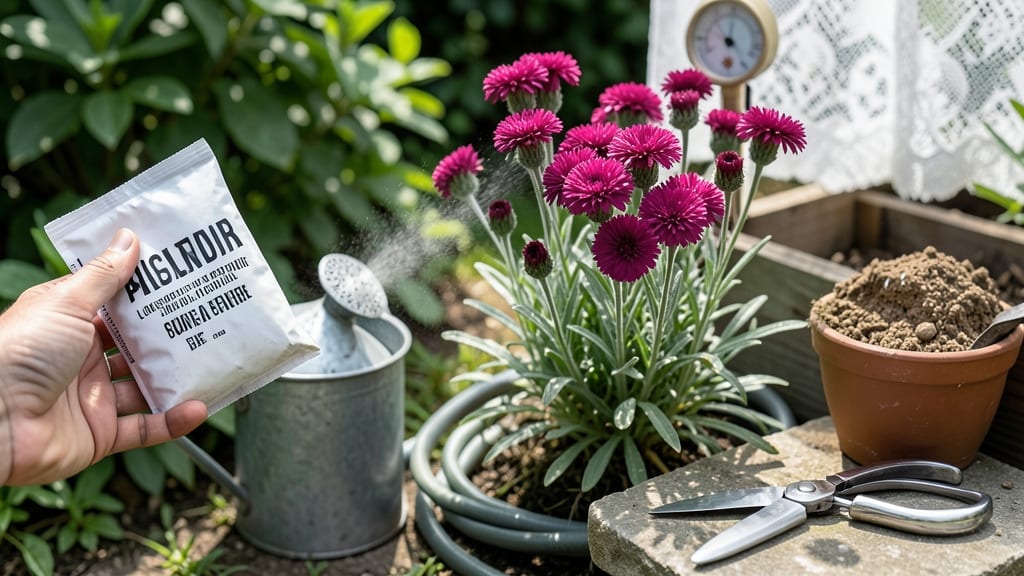
How to get dianthus to bloom more—your green carpets can turn into nonstop flowering powerhouses with the right care. The secret starts with sunlight—these plants demand at least 6-8 hours of direct sun daily, or they'll focus on leaves instead of blooms. I doubled my flowers by moving mine from partial shade to a sunnier spot last spring.
Next, soil and pruning make all the difference. Well-draining, slightly alkaline soil (pH 6.0-7.0) keeps roots happy, while deadheading spent blooms and cutting back leggy growth in early spring triggers fresh flushes.
My neighbor's dianthus went from sparse to lush after she switched to a sandy loam mix and pruned aggressively in March.
You'll see the transformation within weeks: clusters of pink, red, or white blooms where there were just leaves before. The key is consistency—don't let them get root-bound, and feed lightly with a balanced fertilizer every 4-6 weeks during growing season. Even my black thumb plants now put on a show.
Works for both perennial dianthus and annual sweet williams alike. The same principles apply whether you're growing in garden beds, containers, or window boxes. Let's get those blooms popping!
📚 In This Guide
- What you need
- Instructions
- Tips and common mistakes
- Wrapping up and next steps
What you need
- ● Well-draining potting mix or garden soil: 1 bag (1-2 cubic feet) with a sandy or gritty texture (e.g., cactus/succulent mix or add perlite/coarse sand to regular soil).
- ● Balanced, water-soluble fertilizer: 1 bottle (e.g., 10-10-10 or 20-20-20 NPK ratio).
- ● Pruning shears or clean scissors: 1 pair (sterilized with rubbing alcohol to prevent disease).
- ● Watering can or hose with a gentle nozzle: 1 (avoid overhead watering to prevent fungal issues).
- ○ Mulch (optional but recommended): 1-2 inches of gravel, pebbles, or coarse bark to retain moisture and improve drainage.
- ● Gloves: 1 pair (to protect hands from thorns or soil-borne pathogens).
- ● pH testing kit: 1 (to check soil acidity; ideal range: 6.0–7.0).
- ● Slow-release fertilizer granules: 1 small bag (for convenience, apply in early spring).
- ● Plant support (if needed): Small stakes or cages for tall varieties like Dianthus barbatus.
- ● Spray bottle: 1 (for misting leaves if humidity is low in your climate).
- ● Sunlight access: A spot with full sun (6+ hours/day) or partial shade (morning sun + afternoon shade for hot climates).
- ● Drainage check: Ensure pots have drainage holes or garden beds aren’t waterlogged.
- ● Patience: Dianthus blooms best with consistent care over 2–3 months—no overnight miracles! ✨
Step-by-step guide to encouraging more dianthus blooms
Here’s how I transform my dianthus from a leafy green bush into a continuous flowering powerhouse.
☀️ Step 1: Maximize Sunlight Exposure
Dianthus craves full sun—at least 6-8 hours daily. I place mine in the southernmost spot of my garden where they soak up morning light and afternoon warmth without scorching. If your plants look leggy or sparse, they’re not getting enough light.
Move potted dianthus closer to a sunny window or supplement with a grow light if indoors. You’ll notice new buds forming within 2-3 weeks of proper light exposure. Watch for leaves turning pale or stretching—this means they’re reaching for more sun.
💧 Step 2: Water Deeply but Infrequently
Dianthus roots rot easily in soggy soil, but they also won’t bloom if they’re thirsty. Water deeply once a week (more in extreme heat) until water runs through the drainage holes. Let the top 1-2 inches of soil dry out between waterings.
I use a moisture meter to check—if it reads dry at 2 inches deep, it’s time to water. Overwatering causes buds to drop before opening, while underwatering stunts growth. Mulch around the base with 1 inch of gravel or coarse sand to keep roots cool and moisture consistent.
✂️ Step 3: Deadhead and Prune Strategically
Remove spent blooms immediately by snipping the stem just above the next set of leaves. This redirects the plant’s energy into new flower production instead of seed development. I deadhead every 2-3 days during peak bloom to keep the show going.
After the first flush of blooms, cut back the entire plant by one-third to encourage bushier growth. Do this in early summer—you’ll see fresh shoots and a second round of flowers within 4-6 weeks. Never prune after midsummer, or you’ll delay next year’s blooms.
🌿 Step 4: Feed with the Right Fertilizer
Dianthus responds best to a low-nitrogen, high-phosphorus fertilizer (like 5-10-10) to promote flowering over leafy growth. Apply it every 4-6 weeks during the growing season, following label instructions. Too much nitrogen makes plants lush but flowerless.
I mix a slow-release granular fertilizer into the soil in early spring, then top-dress with compost mid-summer. Avoid liquid fertilizers—they can burn tender roots. You’ll notice stronger stems and larger blooms within 3-4 weeks of proper feeding.
⏰ Step 5: Adjust for Seasonal Care
In winter, reduce watering to every 2-3 weeks unless temperatures drop below 20°F, then protect with a thick layer of mulch. Dianthus goes semi-dormant in cold climates, so don’t fertilize until spring warmth returns.
In late summer, stop deadheading to let the plant set seeds for next year. You’ll see fewer blooms, but this ensures a strong root system. Divide mature clumps every 3-4 years in early spring—they flower best when crowded but not overgrown.
Tips & tricks for encouraging more dianthus blooms
Here's what nobody tells you about keeping your dianthus flowering like a pro—these are the details that make all the difference.
Light Exposure Secret: If your dianthus isn't flowering, check the light first. While 6-8 hours of sun is ideal, morning sun paired with afternoon shade works too—just avoid harsh afternoon rays in hot climates. I've seen plants in east-facing windows bloom just as well as those in full sun, as long as they get that critical morning light. Confession: I skipped this nuance for years and wondered why my afternoon-only plants struggled.
Watering Wisdom: The 1-2 inch soil dryness rule works, but here's the trick: water in the morning so foliage dries quickly and prevents fungal issues. I use a rain gauge to track weekly rainfall—if we've had 1 inch of rain, I skip my scheduled watering. Overwatering is the #1 reason buds drop prematurely, so when in doubt, wait another day. That moisture meter becomes your best friend during summer heatwaves.
Pruning Precision: When you cut back by one-third in early summer, aim for just above a set of healthy leaves—not bare stems. I use sharp pruning shears and make clean cuts at a 45-degree angle to prevent water from pooling. The 4-6 week regrowth timeline assumes warm weather—if your summer is cool, you might need an extra week or two. And remember: those fresh shoots will be tender at first, so avoid heavy pruning until they've hardened off.
Fertilizer Timing: That 3-4 week bloom boost from proper feeding only works if you time it right. Apply your first dose of 5-10-10 fertilizer in early spring when new growth appears, then again in early summer before the big pruning. Mid-summer compost top-dressing should be light—too much nitrogen now will send your plants into leafy overdrive instead of flower production. I swear by slow-release granules because they feed consistently without risk of burning.
Pro Tips for Get Dianthus To Bloom More
- Here's what nobody tells you about keeping your dianthus flowering like a pro—these are the details that make all the difference.
- Light Exposure Secret: If your dianthus isn't flowering, check the light first.
- Watering Wisdom: The 1-2 inch soil dryness rule works, but here's the trick: water in the morning so foliage dries quickly and prevents fungal issues.
Frequently asked questions
about getting your dianthus to bloom more—because even the most patient gardeners need a little extra guidance!Why isn’t my dianthus blooming even after giving it full sun?
Dianthus thrives in bright, direct sunlight (6+ hours/day), but blooming also depends on proper soil drainage and cool-season timing. If your plant is leggy or sparse, it might be overheated or root-bound. Try moving it to a spot with afternoon shade in hot climates or repotting if roots are crowded.
When is the best time to prune dianthus for more flowers?
Prune right after the first flush of blooms fades (spring or early summer) to encourage a second round. Deadhead spent flowers weekly to redirect energy to new buds. Avoid heavy pruning in fall—let foliage die back naturally for winter hardiness.
Can I use fertilizer to make my dianthus bloom better?
Yes! Use a balanced, low-nitrogen fertilizer (like 10-10-10) sparingly in early spring and after pruning. Over-fertilizing (especially with nitrogen) promotes leafy growth over flowers. Dianthus prefers lean soil—too much richness can backfire!
Will dianthus bloom in containers? What’s the trick?
Choose well-draining pots (terracotta works great) and a lightweight potting mix with perlite or sand. Place containers where they get morning sun + afternoon shade in hot areas. Water at the base to avoid soggy roots—container plants dry out faster!
Pests are eating my dianthus leaves—will this stop the blooms?
Common culprits like aphids or spider mites stress the plant, which can reduce blooms. Treat with neem oil or insecticidal soap, and keep plants healthy with proper watering. Remove heavily infested leaves to prevent spread. Healthy dianthus = fewer pest problems!
Wrapping up and next steps
Getting your dianthus to burst into vibrant blooms is all about patience, consistency, and a little green thumb love! 🌸 By mastering sunlight exposure, optimizing soil conditions, and perfecting pruning techniques, you’ll transform your garden into a colorful paradise.
Remember, every plant has its own rhythm—adjust as needed and celebrate the small victories along the way.
Ready to see those flowers thrive? Start with one tip today—whether it’s moving your dianthus to a sunnier spot or giving it a light trim—and watch your efforts bloom into success! 🌞