
Blooming
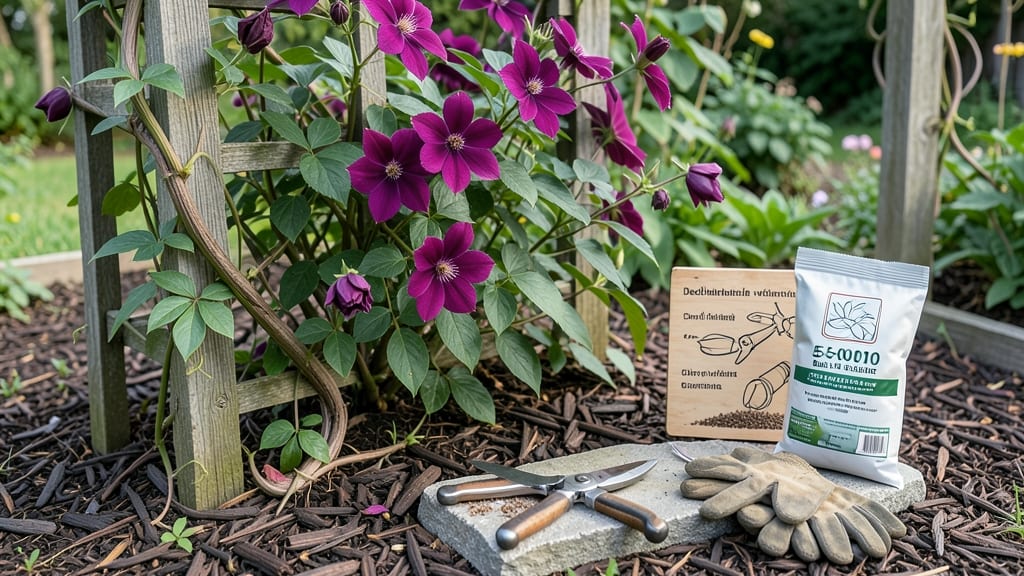
How to make clematis bloom like a flowering powerhouse is all about unlocking its full potential—because with the right care, those vines will explode with color. ✨ The secret lies in understanding its three core needs: sunlight, soil, and pruning timing—because even the hardiest climbers need the right care to reward you with those lush blooms.
Most gardeners miss the mark on pruning—they either cut too much or too little. Group clematis into three types (early, mid, late bloomers) and prune accordingly: early bloomers get a light trim after flowering, while late bloomers thrive with a harder cut in early spring.
Pair that with rich, well-draining soil and morning sun, and you’ve set the stage for abundant flowers.
By mid-summer, you’ll see a difference: vines thick with buds, flowers lasting weeks, and a plant that climbs with confidence. The key is patience—clematis often take a year to establish, but once they do, they become the star of your garden with minimal effort.
This method works for all clematis varieties, from dwarf types to vigorous climbers. The only thing standing between you and a blooming cascade is knowing when to prune—and how much. Let’s get those flowers going!
📚 In This Guide
- What you need
- Instructions
- Tips and common mistakes
- Wrapping up and next steps
What you need
- ● Clematis plant: Choose a healthy vine (evergreen, herbaceous, or large-flowered varieties work best). Pro tip: If repotting, opt for a container at least 12 inches wide and deep with drainage holes!
- ● Well-draining potting mix: A blend of 50% garden soil, 30% compost, and 20% perlite or coarse sand (for aeration). 💡 For containers, use a lightweight mix like 60% potting soil + 40% perlite.
- ● Fertilizer: Balanced, slow-release granular fertilizer (e.g., 10-10-10 or 20-20-20). Use 1–2 tablespoons per plant in early spring.
- ● High-phosphorus fertilizer (e.g., 5-10-5 or 10-20-10) for blooming season. Apply every 4–6 weeks during active growth.
- ● Mulch: 2–3 inches of organic mulch (e.g., shredded bark, wood chips, or straw) to retain moisture and regulate soil temperature.
- ● Pruning tools: Bypass pruners (for clean cuts on stems ¼-inch above a bud).
- ● Loppers (for thicker stems, if needed).
- ● Disinfectant (rubbing alcohol or bleach solution) to clean tools between cuts.
- ● Support structure: A trellis, arbor, or sturdy wire frame (height depends on variety—6–10 feet for most types).
- ● Epsom salt: 1 tablespoon dissolved in 1 gallon of water (spray on foliage monthly for magnesium boost).
- ● Slow-release fertilizer spikes (for containers, 1–2 spikes per plant).
- ● Shade cloth (30–50% coverage) to protect young plants from harsh afternoon sun.
- ● Drip irrigation system or soaker hose for consistent moisture (especially in hot climates).
- ● Plant ties or soft twine to gently secure vines to supports without damaging stems.
Tips & tricks for encouraging clematis flowers
Real talk: The difference between a vine covered in lush leaves and one bursting with blooms often comes down to these simple adjustments.
Sunlight Strategy: If your clematis isn't flowering, it's probably not getting enough light. The 6-8 hours of direct sun requirement is non-negotiable—think of it as the plant's energy source for blooms. I've seen vines double their flower production just by moving them to a sunnier spot. In hot climates, morning sun with afternoon shade prevents leaf scorch while still giving enough light for blooms. Watch for leaves stretching toward the light—that's your plant begging for more sun!
Fertilizer Timing: Those 2-3 weeks after pruning are critical for applying phosphorus-rich fertilizer. I've made the mistake of fertilizing too early, and the plant just grows leaves instead of flowers. After the first flush of blooms, switch to high-potassium fertilizer—this is when your clematis needs that extra boost to form new buds. Think of it like giving your plant a second wind for the blooming season.
Pruning Precision: When pruning late bloomers, cutting back to 2-3 healthy buds might seem extreme, but it works wonders. I learned this the hard way—after over-pruning in fall, my vine struggled to recover. The key is timing: early spring is when you want to do this heavy pruning. For early bloomers, less is more—just remove dead stems after flowering to keep the plant focused on next year's blooms.
Watering Wisdom: Deep watering once a week is better than daily shallow watering. I've seen root rot develop from overwatering, and it's heartbreaking to lose a plant that could have been thriving. Let that top 2-3 inches of soil dry out between waterings—your clematis has deep roots that need to reach down for moisture. And that 3-4 inch layer of mulch? It's like giving your plant a cozy blanket that keeps moisture in and weeds out.
Pro Tips for Make Clematis Bloom
- Real talk: The difference between a vine covered in lush leaves and one bursting with blooms often comes down to these simple adjustments.
- Sunlight Strategy: If your clematis isn't flowering, it's probably not getting enough light.
- Fertilizer Timing: Those 2-3 weeks after pruning are critical for applying phosphorus-rich fertilizer.
Frequently asked questions
Got questions about coaxing those stunning clematis blooms? You’re not alone! Here are answers to the most common concerns—so you can troubleshoot, plan, and enjoy a garden bursting with color.
Why isn’t my clematis blooming at all?
If your clematis is putting out leaves but no flowers, it might be due to pruning at the wrong time or insufficient sunlight. Group 1 and 2 varieties (early bloomers) need pruning right after flowering, while Group 3 (late bloomers) thrive with a late-winter cutback. Also, ensure it gets 6+ hours of sun—partial shade can stunt blooms.
When is the best time to prune for maximum flowers?
Timing depends on your clematis type! Group 1 & 2 (spring bloomers) should be pruned immediately after flowering to encourage next year’s blooms. Group 3 (summer/fall bloomers) get a hard prune in late winter or early spring, while Group 1 & 2 varieties can also benefit from a light trim in early spring to shape the plant.
Can I make clematis bloom without deadheading?
Deadheading (removing spent blooms) isn’t always necessary, but it does encourage more flowers by redirecting energy. If you skip it, your clematis may still bloom—just fewer and later in the season. For Group 3 varieties, deadheading spent flowers can prolong blooming until frost. Try it once to see the difference!
What if my clematis leaves turn yellow or wilt?
Yellow leaves often signal overwatering, poor drainage, or nutrient deficiencies. Ensure your clematis is in well-draining soil and water only when the top inch is dry. If leaves wilt, check for underwatering or root rot (soggy soil = bad). A balanced fertilizer with phosphorus (middle number on the label) can also revive struggling plants.
Are there low-maintenance clematis varieties for beginners?
Start with Group 1 varieties like ‘Nelly Moser’ or ‘Jackmanii’—they’re forgiving and bloom early with minimal pruning. Group 3 options like ‘Vyvyan Pennell’ are also beginner-friendly, producing continuous blooms with just a late-winter trim. Avoid fussy hybrids until you’re comfortable!
Wrapping up and next steps
With the right mix of sunlight, soil care, and strategic pruning, your clematis can burst into a stunning floral display year after year! 🌸 Remember, patience is key—these climbers thrive with consistent attention, but the rewards are worth every effort.
Now that you’re armed with these expert tips, why not grab your pruners and get growing?
Ready to transform your garden? Start by assessing your clematis’s needs today—your future blooms will thank you!