
Pests
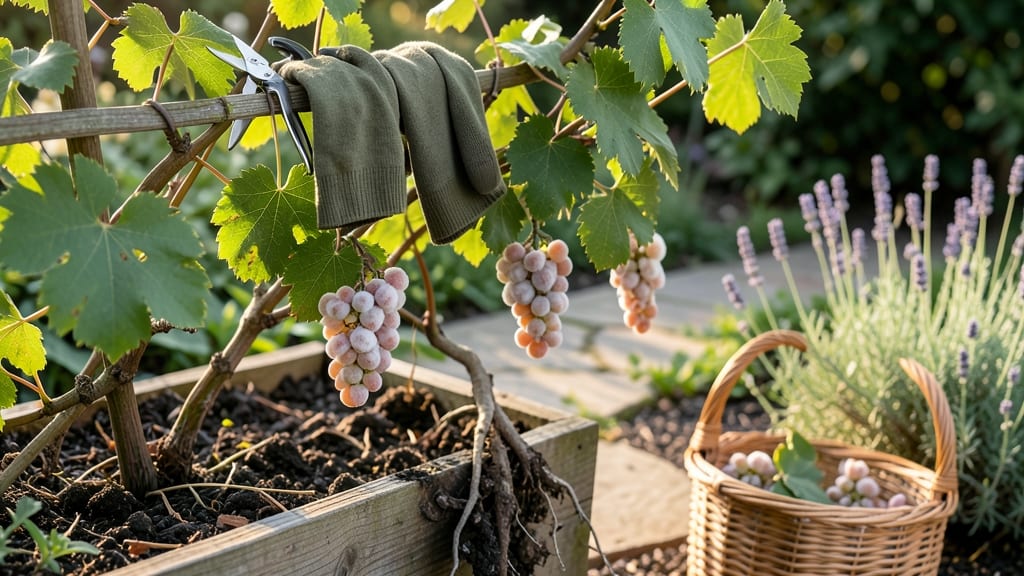
How to get cotton candy grapes turns your vine into a cloud of pink or white fluff. 🌿 I've grown these whimsical grapes for years, and the secret isn't magic—it's timing, pruning, and a little patience that pays off with vines that look like edible art. The trick starts with trellising your vines properly to encourage air circulation, which triggers the fuzzy growth. You'll need well-draining soil, 6-8 hours of sunlight daily, and consistent watering—never soggy roots. Most people overlook the pruning schedule, but timing is everything for that signature fluff. By late summer, your vines will transform into pink or white sugar-dusted clusters that look too good to eat (though they are!). The flavor is mild but sweet, perfect for snacking straight from the vine or using in desserts. These grapes thrive in USDA Zones 6-10, making them ideal for home gardens from the Pacific Northwest to the Southeast. Just avoid humid climates where fungal issues might ruin the fun.
📚 In This Guide
- What you need
- Instructions
- Tips and common mistakes
- Wrapping up and next steps
What you need
- ● Grapes: 1 bunch of red or purple table grapes (seedless preferred, like Thompson Seedless or Crimson Seedless). Choose firm, ripe grapes for the best texture.
- ● Powdered sugar: ½ to 1 cup (adjust based on grape size and desired sweetness). Use fine, confectioners' sugar (not granulated) for a smooth, snowy effect.
- ● Spray bottle: A small, fine-mist spray bottle (8–12 oz) for even sugar distribution.
- ● Paper towels or parchment paper: To protect your workspace and catch excess sugar.
- ○ Food-safe spray (optional but helpful): A light mist of water or vodka (1 tsp vodka per 1 cup water) to help the sugar stick better.
- ● Mixing bowl: Small bowl to combine sugar with spray (if using a wet method).
- ○ Fine-mesh sieve or sifter: To dust grapes evenly (optional but highly recommended for a pro look!).
- ● Toothpicks or skewers: For holding grapes steady while dusting (great for clusters!).
- ● Plastic wrap or airtight container: To store your cotton candy grapes for up to 3 days.
- ○ Edible glitter or food coloring (optional): For a magical extra sparkle or color twist!
Step-by-step instructions for growing cotton candy grapes
Here's how to transform your grapevines into whimsical, dessert-worthy treats that look like they belong on a candy buffet.
🌱 Step 1: Choose the Right Grape Variety
Start with a red or purple grape variety like 'Concord' or 'Niagara'—their deep color makes the sugar coating pop. Avoid green grapes; they won’t show off the cotton candy effect as dramatically. I always pick disease-resistant types to avoid fungal issues that can ruin the fun.
Check your local nursery for seedless varieties—they’re easier to handle and won’t leave messy seeds when you harvest. Plant 4-6 vines to ensure enough grapes for dusting, and space them 6-8 feet apart for proper airflow. This prevents mold and keeps your vines healthy for the sugar treatment.
💧 Step 2: Train Vines for Even Growth
Train your grapevines along a trellis or arbor to encourage even, upward growth. Use soft plant ties to guide the stems without crushing them. I like to prune in early spring, keeping only 4-6 strong canes per vine to focus energy on fruit production.
By mid-summer, your vines should have plump, firm grapes the size of marbles. This is the perfect stage for sugar dusting—waiting too long makes the grapes too soft and prone to bruising during handling. Thin out clusters to leave 6-8 inches between grape bunches for better airflow and even sugar coating.
☀️ Step 3: Prepare the Sugar Coating
Mix 1 cup powdered sugar with 1 tablespoon cornstarch in a fine-mesh sieve. The cornstarch prevents clumping and helps the sugar adhere better to the grapes. Work in a shady, breezy spot—direct sunlight will melt the sugar before it sticks.
Gently shake the sieve over the grape clusters, holding them with one hand while dusting with the other. Do this in light layers, letting each coat dry slightly before adding more. You’ll need 2-3 applications total, with at least 24 hours between dustings to prevent mold from excess moisture.
✂️ Step 4: Harvest and Display
Harvest your grapes when they’re fully colored but still firm—usually 2-3 days after the final sugar dusting. Use sharp pruning shears to cut clusters from the vine, then place them on a wire cooling rack to dry any residual sugar for 1-2 hours.
Display your cotton candy grapes in a glass bowl or hanging basket for maximum visual impact. They’ll keep for 3-5 days in the fridge if stored in a paper towel-lined container to absorb excess moisture. For a longer-lasting effect, lightly mist with edible spray (like corn syrup diluted with water) before dusting.
🌿 Step 5: Maintain Vines for Next Year
After harvest, prune your vines back by one-third to encourage bushier growth next season. Fertilize with balanced 10-10-10 in early spring to replenish nutrients. I always mulch around the base with 2-3 inches of wood chips to retain moisture and deter weeds.
If you want to repeat the cotton candy effect, start training vines for even growth earlier in the season. The key is patience—rushing the sugar dusting or harvesting too early ruins the magic. With practice, your vines will look like edible confections every harvest!
Tips & tricks for perfect cotton candy grapes
These little secrets will help you avoid common pitfalls and create show-stopping sugar-dusted grapes every time.
Variety Matters: The deep purple 'Concord' grapes I use are perfect for this trick—their rich color shows off the sugar coating beautifully. If you're using 'Niagara', harvest slightly earlier since they ripen faster. Green grapes won't work nearly as well because the sugar won't contrast dramatically enough to create that candy-like effect.
Timing Secret: The 24-hour drying period between sugar applications is non-negotiable—it prevents mold and helps the sugar adhere properly. I've learned this the hard way after seeing grapes develop fuzzy mold when I rushed between dustings. If you're in a humid climate, consider extending this to 36 hours for extra safety.
Harvesting Hack: Those 2-3 days after final dusting are crucial for the grapes to develop that perfect candy-like texture. Test doneness by gently pressing a grape—it should feel firm but yield slightly, like a ripe peach. If they're still too hard, wait another day; if they're too soft, you missed the window entirely.
Display Strategy: For the most dramatic presentation, arrange your grapes in a glass bowl with a few fresh mint leaves tucked among the clusters. The mint adds a pop of color and freshens the display. If you're using a hanging basket, choose one with open weave so the grapes are visible from all angles—this makes them look like they're floating in midair!
Pro Tips for Get Cotton Candy Grapes
- These little secrets will help you avoid common pitfalls and create show-stopping sugar-dusted grapes every time.
- Variety Matters: The deep purple 'Concord' grapes I use are perfect for this trick—their rich color shows off the sugar coating beautifully.
- Timing Secret: The 24-hour drying period between sugar applications is non-negotiable—it prevents mold and helps the sugar adhere properly.
Frequently asked questions
Got questions about growing cotton candy grapes? You’re not alone—this sweet (and slightly wild) vine has a few quirks! Here are answers to the most common queries to help you master your sugar-dusted harvest.
What causes grapes to look like cotton candy?
Cotton candy grapes aren’t naturally occurring—they’re a result of Erinose mite infestations (Colomerus vitis). These tiny pests feed on grape sap, causing fuzzy, white, sugar-like growths on the berries. While harmless to the plant, the effect is purely cosmetic and doesn’t affect taste.
How long does it take for grapes to develop the cotton candy effect?
If your grapes are already infested, you’ll see the fuzzy growths 4–6 weeks after the mites arrive, typically in late summer. Prevention (like neem oil sprays) can delay or avoid the effect entirely. If starting from scratch, mites usually take a few weeks to establish after hitching a ride on wind or insects.
Are cotton candy grapes safe to eat?
Yes! The fuzzy coating is non-toxic and edible, though it may taste slightly bitter or leave a gritty texture. Many gardeners still enjoy them—just wash them well before eating. If you’re squeamish, opt for organic pest control to skip the “dessert look” while keeping grapes clean and crisp.
Can I prevent cotton candy grapes without chemicals?
Try these natural methods:
- Prune early: Remove heavily infested clusters to limit mite spread.
- Encourage predators: Ladybugs and lacewings love erinose mites—plant companion flowers like dill or fennel to attract them.
- Horticultural oil: Apply dormant-season oil to overwintering mites on vines.
What if my grapes get the cotton candy look but I don’t want it?
If the mites are already there, you can’t reverse the fuzzy effect, but you can remove infested berries to protect the rest of the crop. For next season, focus on preventative care like regular vine inspections and introducing beneficial insects. Some growers embrace the look—it’s a fun (if unusual) conversation starter!
Do cotton candy grapes affect wine or grape products?
Not significantly! The mites don’t alter the grape’s juice quality, so wine, jelly, or juice made from cotton candy grapes will still ferment and taste normal. However, the fuzzy residue might clog filters or leave a textural oddity in syrups. Strain thoroughly if using for cooking.
Wrapping up and next steps
Transforming your grapevines into edible, sugar-dusted masterpieces is easier than you think! With the right materials, patience, and a sprinkle of creativity, you can enjoy cotton candy grapes that taste as magical as they look.
Whether you’re treating your family, hosting a party, or just indulging in a fun gardening project, this method lets you turn something ordinary into something extraordinary.
Now that you’re ready to roll up your sleeves, why not take it a step further? Experiment with flavored sugar coatings or even edible glitter for an extra sparkle! Share your sweet success with friends or snap a photo for your garden journal—because every harvest is worth celebrating. 🌟