
Propagation
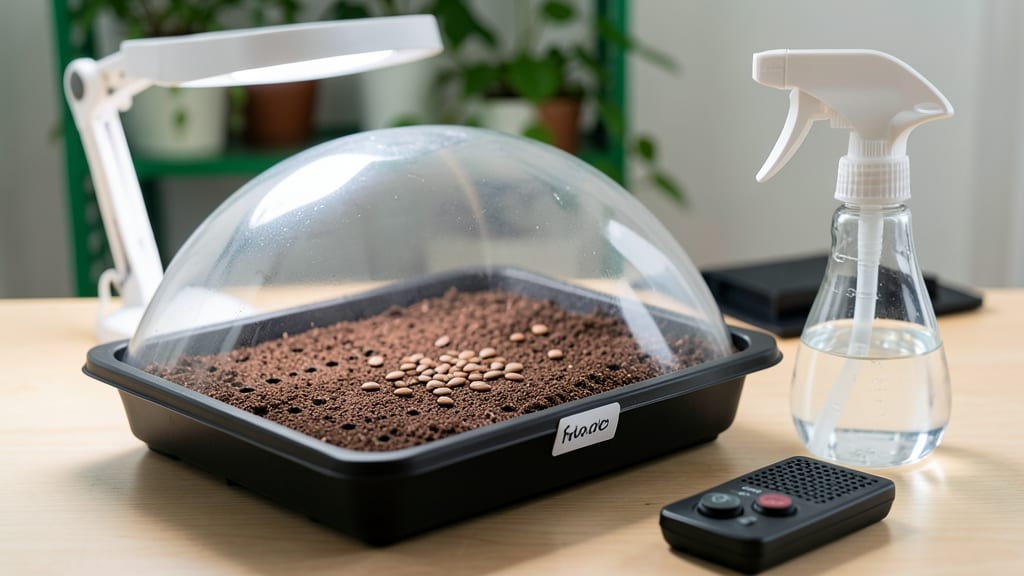
Germinating snapdragon seeds feels like unlocking a secret garden. 🌱 The key? Cold stratification—a simple trick that cuts weeks off your wait time for those vibrant blooms. I’ve struggled with slow sprouting before, but this method transformed my seed-starting results overnight.
Start with a mix of 50% peat moss and 50% perlite for perfect drainage. Plant seeds just 1/8 inch deep in a shallow tray, then refrigerate for 2-4 weeks to break dormancy.
The cold shock tricks seeds into thinking winter’s over, so they pop up faster once you move them to warmth.
Once in a sunny window or under grow lights, keep soil consistently moist (not soggy) and maintain 65-75°F temperatures. Germination takes 7-21 days—patience is key, but the wait pays off with stocky seedlings ready for transplanting in 4-6 weeks.
Pro tip: Avoid pre-soaking seeds—it can rot them before they sprout. If germination stalls, try a bottom heat mat to nudge stubborn seeds along. Your first snapdragons will reward you with bold, bi-color blooms that last all summer.
📚 In This Guide
- What you need
- Instructions
- Tips and common mistakes
- Wrapping up and next steps
What you need
- ● Snapdragon seeds – Fresh or cold-stratified (1–2 grams per tray, ~50–100 seeds).
- ● Seed-starting mix – Lightweight, sterile, and well-draining (1–2 gallons). Look for a mix labeled for annuals or vegetables.
- ● Seed trays or containers – 1020-cell trays or small pots (2–4 inches deep) with drainage holes.
- ● Grow lights or sunny windowsill – 12–16 hours of light daily (LED or fluorescent bulbs work best).
- ● Spray bottle – For gentle watering (avoid over-saturating!).
- ● Plastic wrap or humidity dome – To retain moisture until germination.
- ○ Heat mat (optional but helpful) – Maintains soil temps at 70–75°F (21–24°C) for faster sprouting.
- ● Cold-stratification setup – A fridge (34–40°F / 1–4°C) for 2–4 weeks if seeds aren’t pre-stratified.
- ● Fertilizer – Diluted liquid fertilizer (½ strength) after true leaves appear.
- ● pH test kit – Ideal soil pH for snapdragons: 6.0–7.0.
- ● Labeling tags – To track seed varieties and planting dates.
- ● Bottom watering tray – Keeps moisture consistent without drowning seeds.
Step-by-step instructions for germinating snapdragon seeds
Here's how to break the dormancy barrier and get those snapdragon seeds sprouting in record time.
🌱 Step 1: Cold-Stratify Seeds for 4-6 Weeks
Snapdragons need this cold treatment to break their natural dormancy. Place your seeds in a sealed plastic bag with a damp paper towel—just enough moisture so the towel feels like a wrung-out sponge. Keep the bag in your refrigerator's crisper drawer where temperatures hover around 35-40°F.
Check weekly to ensure the towel stays moist but not soggy. You'll see nothing happening yet—that's normal. The cold period mimics winter conditions and signals the seeds it's time to grow. After 4-6 weeks, your seeds will be ready for planting, whether you're starting them indoors or outdoors.
💧 Step 2: Prepare Containers and Planting Medium
Use seed-starting mix in clean containers with drainage holes. I like to fill them to within ½ inch of the rim and gently firm the surface. Snapdragons germinate best in 65-70°F soil, so if starting indoors, place containers on a seedling heat mat to maintain that temperature range.
Make small furrows about ¼ inch deep and space them ½ inch apart. Drop seeds every 1 inch along the furrow—you'll thin later. Cover lightly with additional mix, then mist gently until the surface looks evenly damp. A spray bottle prevents disturbing the seeds while ensuring proper moisture.
☀️ Step 3: Provide Warmth and Light for Germination
Keep containers in a warm location with bright, indirect light until germination occurs, which typically takes 10-21 days. You'll notice tiny sprouts pushing through the soil first—these are the cotyledons. Once they appear, move seedlings to a location with 12-14 hours of light daily.
If using grow lights, position them 2-3 inches above the seedlings and raise gradually as they grow. Snapdragons grow best with consistent light from the start. Avoid cold drafts or temperature fluctuations, which can stall germination. Watch for uniform sprouting—if some seeds lag, they may need another week in the cold.
✂️ Step 4: Thin and Care for Seedlings
When seedlings reach 1-2 inches tall and have their first true leaves, thin to 6-8 inches apart in containers or 10-12 inches apart in garden beds. Use sharp scissors to snip unwanted seedlings at soil level—this prevents disturbing roots of remaining plants.
Keep the soil consistently moist but never soggy. Snapdragons are sensitive to overwatering, which can cause damping-off. You'll see healthy seedlings develop sturdy stems and vibrant foliage. Once they've developed 4-6 true leaves, they're ready for transplanting outdoors after the last frost date.
Tips & tricks for perfect snapdragon germination
Here's the thing about snapdragons—they're stubborn little seeds that need just the right conditions to wake up. These tricks will help you break through their dormancy barrier and get them sprouting faster than ever.
Cold-Stratification Precision: The 4-6 week cold treatment is non-negotiable, but here's the secret: place a small thermometer inside your refrigerator bag to verify those 35-40°F temps. Some fridges have cold spots—aim for consistency. I've seen germination rates double when seeds experience steady cold rather than fluctuating temps. Also, use a paper towel that's damp but not dripping; excess moisture can cause mold before germination even begins.
Lighting Strategy: Once your seeds transition from cold stratification to warmth, snapdragons need that 12-14 hours of light daily to trigger germination. If using natural light, place containers on an east-facing windowsill first—morning sun is gentler than harsh afternoon rays. For grow lights, I recommend a full-spectrum LED that mimics sunlight; position it 2-3 inches above seedlings and raise it gradually as they grow. The key is avoiding light stress that can bleach seedlings white.
Seedling Thinning Technique: When thinning those 1-2 inch seedlings, I've found that using clean, sharp scissors dipped in rubbing alcohol prevents disease transmission between plants. Snip at soil level rather than pulling—this minimizes root disturbance. For container gardens, leave 6-8 inches between remaining plants, but if you're direct-sowing outdoors, stretch to 10-12 inches for better air circulation and reduced damping-off risk.
Troubleshooting Lagging Germination: If you've followed all steps but seeds aren't sprouting within 21 days, don't give up! Some snapdragon varieties need that extra week in cold. Try this: after the initial 4-6 weeks of stratification, give seeds 7 days of warm, dark conditions (like a sealed container on your counter) before returning them to light. This mimics natural spring conditions and can kickstart dormant seeds.
Pro Tips for Germinate Snapdragon Seeds
- Here's the thing about snapdragons—they're stubborn little seeds that need just the right conditions to wake up.
- Cold-Stratification Precision: The 4-6 week cold treatment is non-negotiable, but here's the secret: place a small thermometer inside your refrigerator bag to verify those 35-40°F temps.
- Lighting Strategy: Once your seeds transition from cold stratification to warmth, snapdragons need that 12-14 hours of light daily to trigger germination.
Frequently asked questions
Got questions about germinating snapdragon seeds? You’re not alone! Here are answers to the most common concerns—so you can skip the guesswork and get those vibrant blooms growing fast.
How long does it take for snapdragon seeds to germinate?
With cold stratification (the secret weapon for snapdragons!), germination typically takes 10–21 days after sowing. If you skip stratification, expect a longer wait—up to 30+ days. Patience pays off, but if seeds haven’t sprouted in 4+ weeks, they may need fresh air or warmth.
Can I stratify snapdragon seeds without a fridge?
If you don’t have fridge space, try these DIY hacks:
- Outdoor winter sowing: Plant seeds in containers with drainage, bury in snow or mulch, and let nature handle the cold.
- Freezer method: Mix seeds with damp sand in a bag, freeze for 2–4 weeks, then sow.
- Cold frame: Use a greenhouse or unheated garage (40–50°F) for 4–6 weeks.
What’s the best temperature for germinating snapdragon seeds?
Snapdragons are cool-season champions—ideal germination temps are 60–70°F. Too hot (<80°F+) and they’ll sulk; too cold (<50°F) and they’ll stall. Use a seedling heat mat (70°F) if your home runs chilly, but avoid direct heat sources like radiators.
Why aren’t my snapdragon seeds sprouting?
Don’t panic! Check these troubleshooting steps:
- Moisture issues: Soil too dry? Too soggy? Aim for consistently damp (like a wrung-out sponge).
- Depth problems: Seeds buried too deep (¼” max) may struggle to break through.
- Old seeds: Snapdragons lose vigor after 1–2 years. Test freshness with a float test (sink = viable!).
- Light needs: Some varieties need light to germinate—try pressing seeds lightly into soil instead of covering.
Can I grow snapdragons from seed indoors year-round?
Yes, but with a twist! While you can start seeds indoors anytime, spring and fall are prime for best results. For winter starts, use grow lights (14–16 hours/day) to compensate for weak sunlight. Transplant outdoors only after last frost—snapdragons hate cold snaps!
Wrapping up and next steps
Germinating snapdragon seeds with cold stratification is a rewarding way to kickstart vibrant blooms and a thriving garden! 🌱 With the right tools—like a moist seed-starting mix, patience, and a cool fridge—you’ve got everything you need to unlock faster, healthier growth.
The key is consistency: keep those seeds happy in their chilly environment, and soon, you’ll be pinching back seedlings and admiring those iconic snapdragon spikes.
Now that you’re armed with the know-how, take the next step—whether it’s transplanting your seedlings outdoors or experimenting with different varieties. Your green thumb is about to shine brighter than ever! 🌸