
Propagation
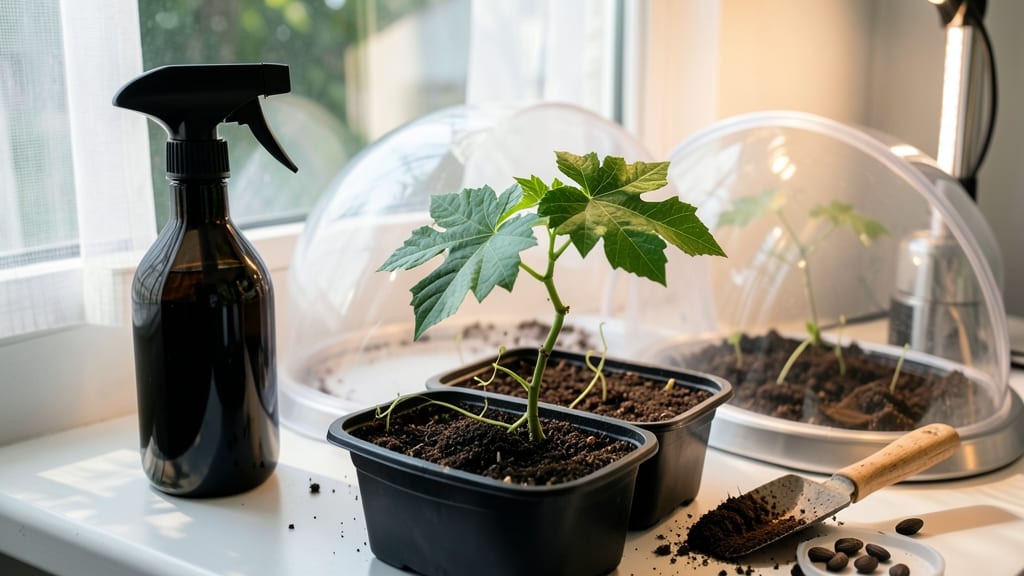
Germinating bitter melon seeds can feel like waiting for a slow-moving train—until you know the trick. 🌱 The secret to speeding up those stubborn sprouts lies in warmth and moisture, not patience alone.
My first batch took 21 days to crack the soil; now I get seedlings in under a week using the right method. Bitter melon seeds need a cozy, damp environment to break dormancy—think of it like a tiny greenhouse for each seed.
You’ll need a shallow tray, moist paper towels or seed-starting mix, and a heat source (like a seedling mat or sunny windowsill). The goal? Keep everything between 75-85°F and consistently damp, never soggy.
Within 5-7 days, you’ll spot those first tiny white roots poking through, followed by green shoots reaching for light. The key is consistency: check moisture daily and avoid letting the mix dry out. Once sprouts have two true leaves, they’re ready to transplant into individual pots.
This method works for both indoor starts and outdoor sowing in warm climates. The payoff? Vigorous seedlings that mature into productive plants with fewer surprises along the way. Let’s get those seeds sprouting!
📚 In This Guide
- What you need
- Instructions
- Tips and common mistakes
- Wrapping up and next steps
What you need
- ● Bitter melon seeds: Fresh, high-quality seeds (10–20 for a small batch). Pro tip: 💡 If possible, use seeds from an organic bitter melon—store-bought seeds may have lower viability.
- ● Seed-starting mix: Lightweight, sterile potting soil (1–2 cups) with good drainage. Avoid garden soil—it can harbor diseases!
- ○ Containers: Small pots (3–4 inches in diameter) or seed trays with drainage holes. Optional: A clear plastic dome or plastic wrap to retain humidity.
- ● Watering can or spray bottle: For gentle moisture control. Avoid soaking the soil.
- ● Heat source: A seedling heat mat (70–85°F range) or a sunny windowsill in a warm room (75°F+). Bitter melon seeds love warmth!
- ● Plant labels: To track seed varieties if growing multiple types.
- ● Humidity tray: A shallow tray with pebbles and water to boost moisture levels.
- ● Grow lights: If natural light is limited (12–16 hours/day). LED bulbs work great!
- ● Fertilizer: A mild, balanced seedling fertilizer (diluted to half-strength) for post-germination care.
Step-by-Step instructions for germinating bitter melon seeds
Here’s my foolproof method for coaxing bitter melon seeds to sprout quickly—warmth and patience are your best tools.
🌱 Step 1: Soak Seeds to Kickstart Germination
Bitter melon seeds have a tough outer coating that slows sprouting. Place them in a small bowl and cover with lukewarm water for 12-24 hours. This softens the shell and speeds up germination. I like to use a mesh bag or paper towel to contain them while soaking—it keeps everything tidy.
Change the water every 8 hours to prevent mold. You’ll know they’re ready when the seed coats look slightly wrinkled or split open. Don’t skip this step—it cuts germination time in half. If you’re impatient, a 24-hour soak works too, but don’t let them dry out afterward.
💧 Step 2: Prepare a Warm, Moist Germination Medium
Fill a small container (like a 4-inch pot) with a mix of 50% peat moss and 50% perlite—this keeps moisture even while allowing airflow. Warmth is critical: place the container on a seedling heat mat set to 80-85°F or nestle it in a warm, sunny windowsill (south-facing is ideal).
Moisten the mix until it’s damp like a wrung-out sponge—no puddles. Press the soaked seeds ½ inch deep into the soil, spacing them 1 inch apart. Cover the container loosely with plastic wrap to trap humidity, but leave a tiny gap for airflow. Check daily for condensation—if the wrap fogs up, remove it for 10 minutes to prevent rot.
☀️ Step 3: Monitor for Sprouts and Maintain Ideal Conditions
Germination usually takes 7-14 days, but stay vigilant. Watch for tiny white roots breaking through the soil—this is your cue to stop covering the container. Once sprouts appear, remove the plastic wrap immediately to prevent damping-off (a fungal disease that collapses seedlings overnight).
Keep the soil consistently moist but never soggy. A spray bottle helps avoid disturbing the seeds. If your home runs cool (below 70°F), place a heating pad under the pot or move it to a warmer spot like near a refrigerator (the heat rises). You’ll see first true leaves in 2-3 weeks—that’s when you can thin to the strongest sprout.
⏰ Step 4: Transplant Seedlings for Strong Growth
Once seedlings have 2-3 sets of true leaves (not the initial seed leaves), they’re ready for individual pots. Use 4-inch pots filled with well-draining soil. Gently tease apart roots if they’re tangled, then plant each seedling 1 inch deep. Water lightly to settle the soil around the stems.
Place the pots in bright, indirect light for 1 week to acclimate before moving them to full sun. Harden off gradually by exposing them to outdoor conditions for 1-2 hours daily over 5-7 days. Bitter melon seedlings are sensitive to cold—wait until nighttime temps stay above 55°F before transplanting outdoors.
Tips & tricks for germinating bitter melon seeds
These simple strategies will help you coax those stubborn bitter melon seeds into sprouting faster and stronger.
The Soak Secret: For Step 1, don't just use any water—lukewarm water works best at 12-24 hours because it mimics natural soil temperatures. I've found that adding a pinch of cinnamon (optional) to the soaking water can help prevent mold growth while keeping seeds happy. Change that water every 8 hours as instructed, but if you forget, don't panic—just rinse them once more before planting. The key is keeping them moist but not waterlogged.
Heat Hack for Faster Sprouts: In Step 2, that 80-85°F temperature range is non-negotiable for bitter melon seeds. If your home runs cooler than 70°F, place your seedling heat mat on top of a small appliance like a refrigerator or microwave—these generate just enough warmth without overheating. Pro tip: Use a small digital thermometer to monitor the soil temperature continuously. If it drops below 75°F, your seeds might take weeks longer to sprout.
Moisture Management: The 10 minutes you spend checking for condensation in Step 2 is worth it—this prevents damping-off disease that can wipe out your seedlings overnight. I like to use a clear plastic container with ventilation holes punched in the lid for this stage. It creates a greenhouse effect while still allowing airflow. Mist the soil lightly every other day with a spray bottle to maintain that "wrung-out sponge" consistency without overwatering.
Transplant Timing: When you reach Step 4, those 2-3 sets of true leaves will appear sooner if you keep the seedlings in bright, indirect light during their first week. I've had success using a simple LED grow light on a timer (12 hours on/off) if natural light isn't sufficient. And remember—the 1-2 hours daily hardening off period is crucial. Start with just 30 minutes on day one and gradually increase to avoid shocking the delicate seedlings.
Pro Tips for Germinate Bitter Melon Seeds
- These simple strategies will help you coax those stubborn bitter melon seeds into sprouting faster and stronger.
- The Soak Secret: For Step 1, don't just use any water—lukewarm water works best at 12-24 hours because it mimics natural soil temperatures.
- Heat Hack for Faster Sprouts: In Step 2, that 80-85°F temperature range is non-negotiable for bitter melon seeds.
Frequently asked questions
Got questions about germinating bitter melon seeds?
You’re not alone! Here are answers to the most common concerns—from patience to troubleshooting—so you can grow your own thriving plants with confidence.
How long does it take for bitter melon seeds to germinate?
With the right conditions (warmth, moisture, and indirect light), bitter melon seeds typically sprout in 7–14 days. If your seeds are fresh and soaked properly, you might see tiny sprouts as early as 5–7 days. Patience is key—consistent warmth (75–85°F) speeds up the process!
What if my bitter melon seeds won’t sprout?
Don’t panic! Try these fixes:
- Check seed viability: Soak seeds in warm water for 24 hours—if they sink, they’re likely good. Floaters may be old or dead.
- Adjust moisture: Keep the growing medium damp (not soggy). Use a spray bottle to mist if needed.
- Boost warmth: Move your tray to a sunny windowsill or use a heat mat (70–80°F is ideal).
- Try scarification: Lightly scratch the seed coat with sandpaper to help water penetrate.
Can I germinate bitter melon seeds in water instead of soil?
Yes! You can start seeds in water using the paper towel method:
- Moisten a paper towel and place seeds 1–2 inches apart.
- Wrap it loosely in plastic wrap or a damp cloth.
- Store in a warm, dark spot (like a sealed container) and check daily.
- Once roots and sprouts appear (5–10 days), transplant to soil.
Do bitter melon seeds need light to germinate?
Nope! Seeds germinate best in darkness because light triggers sprouting too early, which can weaken seedlings. Once they’ve sprouted (tiny roots or a white shoot), move them to bright, indirect light (like a south-facing window). Direct sunlight can scorch delicate sprouts!
How many seeds should I plant per pot?
Start with 2–3 seeds per pot (4–6 inches wide) to increase germination odds. Once seedlings emerge, thin them to the strongest one per pot to avoid competition. If you’re using a larger container (12+ inches), you can plant 4–5 seeds and thin to 2–3 plants. Overcrowding slows growth and invites pests!
Wrapping up and next steps
Germinating bitter melon seeds is a rewarding process that unlocks the potential for a thriving, homegrown harvest!
By following these simple steps—soaking seeds, maintaining warmth, and providing consistent moisture—you’ll soon see those first sprouts peeking through the soil. 🌱 Don’t let challenges discourage you: even experienced gardeners face hiccups, but patience and care will pay off with lush, healthy plants.
Now that you’re equipped with the know-how, take the next step! Start with a small batch of seeds, experiment with your setup, and track your progress. Before you know it, you’ll be harvesting your own bitter melon—packed with flavor and nutrients. Happy growing! 🌿