
Tools
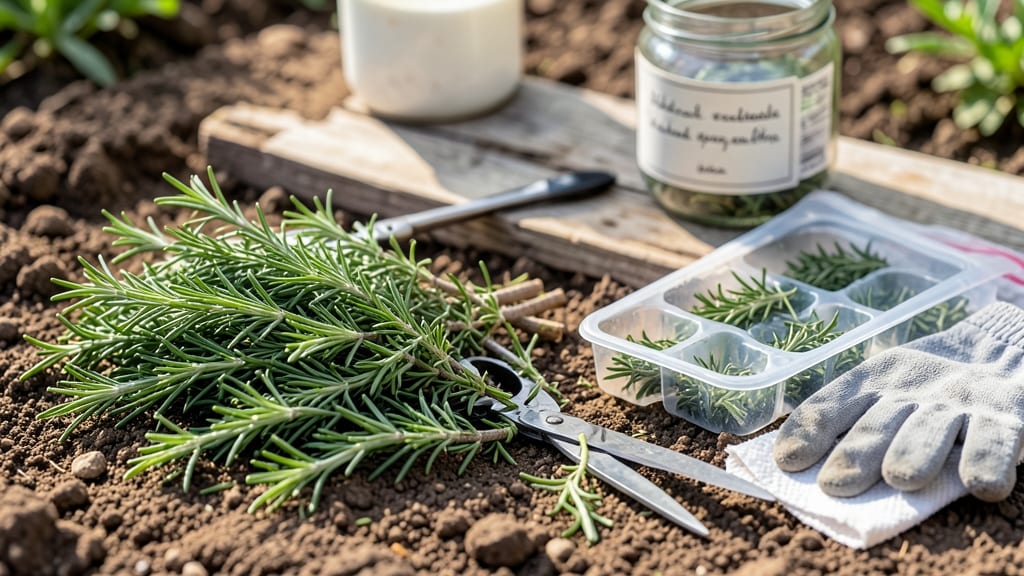
Freezing rosemary from your garden locks in that piney-fresh aroma for winter cooking. ✨ I used to toss my rosemary harvests after the first frost—until I discovered this simple method that keeps the flavor vibrant for months. The secret lies in proper drying and storage, not just freezing.
Timing matters most: harvest sprigs in late summer or early fall when the oil content peaks. Give them a quick rinse, then pat dry completely—moisture is the enemy of good flavor preservation. You’ll need just a few basic supplies: sharp scissors, paper towels, and freezer bags or ice cube trays.
Start by stripping leaves from the stems (save whole sprigs for garnishes). Chop the leaves finely and pack them into ice cube trays with water or olive oil—this preserves texture and flavor better than plain freezing.
Once frozen solid, transfer to labeled bags for up to 6 months of fresh-tasting rosemary.
This method works for any rosemary variety, from upright to trailing types. The key is consistency: freeze in small batches to avoid freezer burn. You’ll never buy dried rosemary again—just reach into your freezer for that garden-fresh taste anytime.
📚 In This Guide
- What you need
- Instructions
- Tips and common mistakes
- Wrapping up and next steps
What you need
- ● Fresh rosemary sprigs: Harvest 1–2 cups of healthy, mature rosemary (avoid woody stems). Trim just before freezing for peak flavor!
- ● Paper towels or clean kitchen towel: For drying excess moisture.
- ● Sharp kitchen shears or scissors: To trim stems cleanly.
- ● Freezer-safe storage bags: 2–4 quart-sized (ziplock or reusable silicone bags work great). Opt for flat-freezer bags to save space.
- ○ Optional but helpful: Vacuum sealer (extends shelf life by removing air).
- ● Ice cube tray (for small, portioned servings—see tips below!).
- ● Labeling markers or tape (to note the date and contents).
- ● Clean workspace: Sanitize surfaces and tools to prevent mold.
- ● Time commitment: 10–15 minutes for prep (plus freezing time).
- ● Storage space: Ensure your freezer has room for flat-packed rosemary.
Step-by-Step instructions for freezing fresh rosemary
Preserving rosemary this way locks in its piney aroma and vibrant flavor for months—here's my foolproof method.
🌿 Step 1: Harvest and Prep the Stems
Pick healthy stems when they're still green but fully mature, usually in late summer or early fall. Look for branches that are 3-4 inches long with tight, needle-like leaves—avoid any that look woody or dried out. I like to harvest just before a rain shower when the stems are plump with moisture.
Give the stems a quick rinse under cool water to remove dirt or debris, then pat them dry with a clean kitchen towel. The goal is to start with completely dry stems—any moisture left on the leaves will create ice crystals during freezing that dull the flavor. Spread them out on a paper towel to air-dry for 10-15 minutes while you prepare the next steps.
✂️ Step 2: Trim and Bundle the Stems
Use sharp kitchen shears to trim the stems into 3-4 inch sections. This length works perfectly for most recipes and fits neatly in freezer bags. I always cut just above a leaf node where new growth can sprout if you ever decide to regrow the plant.
Here's the thing—bundle 3-4 stems together and wrap them tightly with a small piece of parchment paper. The paper keeps the bundles intact and prevents freezer burn on the outer leaves. You'll end up with 4 bundles total from a typical harvest, each ready for individual freezing.
💧 Step 2: Blanch for Optimal Texture (Optional but Recommended)
For rosemary that stays vibrant and fragrant after thawing, blanch the bundles first. Bring a small pot of water to a rolling boil, then prepare an ice bath in a separate bowl. Working in batches, dip each bundle in the boiling water for exactly 30 seconds—no longer or the leaves will turn mushy.
Immediately transfer the blanched bundles to the ice bath for 30 seconds as well. This stops the cooking process instantly. Pat the bundles dry again with a paper towel before proceeding. The blanching step preserves color and prevents the rosemary from turning to mush when thawed.
🪴 Step 3: Package for Long-Term Storage
Lay the dry bundles flat in a single layer on a sheet of parchment paper. This prevents them from sticking together during freezing. For extra protection, wrap each bundle individually with a second layer of parchment before placing them in a quart-sized freezer bag.
Squeeze out as much air as possible before sealing the bag. Label it with the date and contents—rosemary stays good for 6-12 months in the freezer when stored properly. Place the bag flat in the freezer to maximize space and prevent crushing.
⏰ Step 4: Thaw and Use When Needed
When you're ready to use the rosemary, simply remove the bundle from the bag and let it thaw at room temperature for 10-15 minutes. The leaves will look slightly darker than fresh but still retain their piney aroma. I like to crush the leaves gently between my fingers to release the oils before adding to dishes.
Use thawed rosemary in the same way as fresh—it works perfectly in soups, stews, marinades, and even sprinkled over roasted meats. The flavor might be slightly less intense than fresh, but it's still vibrant and far superior to dried rosemary. For best results, add the rosemary toward the end of cooking to preserve its delicate flavor.
Tips & tricks for perfectly preserved rosemary
Real talk: Freezing rosemary right can make all the difference between vibrant flavor and sad, mushy disappointment. Here's what I've learned from years of freezing garden herbs.
Timing is Everything: The 10-15 minute air-drying time in Step 1 isn't just about removing moisture—it's about letting the leaves reach their peak freshness. I learned this the hard way after freezing rosemary that still had dampness, which created ice crystals that ruined the texture. Spread those bundles on a clean kitchen towel and let them dry completely before proceeding. This step alone makes the difference between rosemary that smells like summer and rosemary that tastes like freezer air.
Bundle Size Matters: Those 3-4 inch sections in Step 2 are perfect because they're long enough to handle easily but short enough to thaw quickly. I've tried freezing longer stems, and they end up with uneven thawing—some parts stay frozen while others get mushy. The 3-4 stem bundles also fit perfectly in my freezer bags without taking up too much space. Pro tip: Use a ruler to measure your cuts for consistent results every time.
Blanching Boosts Flavor: I know blanching sounds like extra work, but those 30 seconds in boiling water followed by 30 seconds in ice water make a world of difference. The blanching preserves the rosemary's vibrant green color and prevents the leaves from turning to mush when thawed. If you're short on time, skip the blanching—but you'll notice the difference in texture and flavor when you use it later. The ice bath is just as important as the boiling water, so don't skip it!
Freezer Organization Wins: Labeling your quart-sized freezer bags with the date is non-negotiable. Rosemary stays good for 6-12 months, but after that, the flavor starts to fade. I also like to write what I plan to use it for—like "chicken marinade" or "pasta sauce"—so I can grab it quickly when I need it. Store the bags flat in your freezer to save space and prevent crushing. Trust me, you'll thank yourself next winter when you can grab perfectly preserved rosemary instead of dried up store-bought herbs.
Pro Tips for Freeze Rosemary From The Garden
- Real talk: Freezing rosemary right can make all the difference between vibrant flavor and sad, mushy disappointment.
- Timing is Everything: The 10-15 minute air-drying time in Step 1 isn't just about removing moisture—it's about letting the leaves reach their peak freshness.
- Bundle Size Matters: Those 3-4 inch sections in Step 2 are perfect because they're long enough to handle easily but short enough to thaw quickly.
Frequently asked questions
Got questions about freezing rosemary? You’re not alone! Here are answers to the most common concerns—so you can preserve that garden-fresh flavor with confidence.
Can I freeze rosemary with or without the leaves?
For the best flavor and texture, always remove the leaves from the woody stems before freezing. The stems won’t thaw well and can make your herbs mushy. Simply strip the needles off the stalk—it’s quick and worth it for that aromatic punch in your dishes!
How long will frozen rosemary stay fresh?
When stored properly in an airtight container or freezer bag, rosemary keeps its flavor for 6–12 months. For peak freshness, use it within the first 6 months. If you notice a dull aroma or the leaves turn brown, it’s time to compost and start fresh.
Can I freeze rosemary without blanching?
Yes! Unlike some herbs (like parsley), rosemary doesn’t require blanching before freezing. Simply chop it, spread it on a tray to freeze solid, then transfer to a container. This method preserves its bold, piney flavor—no extra steps needed!
What’s the best way to use frozen rosemary in cooking?
Frozen rosemary works best in cooked dishes like soups, stews, marinades, or roasted meats. Avoid adding it directly to salads or raw dishes—it can get watery. For a quick boost, crush the frozen leaves between your fingers or toss them whole into hot oil or broth.
Why does my frozen rosemary smell weak after thawing?
This usually happens if the rosemary wasn’t fully dry before freezing or if it was stored with too much moisture. To fix it, pat the leaves dry thoroughly before freezing, and use an airtight container to lock in flavor. If it’s already frozen, try using it in a warm dish—heat can revive some of its aroma!
Wrapping up and next steps
Freezing rosemary from your garden is a simple yet game-changing way to enjoy its bold, aromatic flavor all year long—without sacrificing freshness or convenience. 🌿 Whether you’re prepping for winter cooking or stocking your pantry for homemade remedies, this method ensures you’ll always have a vibrant herb at your fingertips. Now that you’re armed with the know-how, why not treat yourself to a batch of rosemary-infused olive oil or a fragrant herb blend? Grab those sprigs, follow the steps, and savor the taste of summer anytime!
🌟 Next Steps:
- Label your freezer bags with the date for easy tracking.
- Experiment with rosemary-infused recipes—think roasted meats, bread, or even cocktails!
- Share your success (or ask questions!) in the comments below.