
Tools
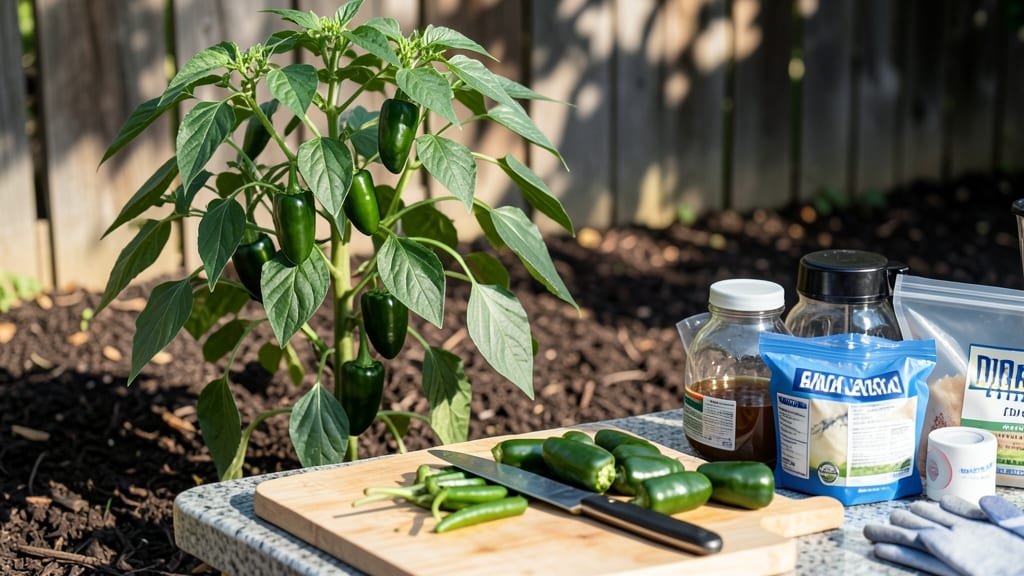
Freezing jalapeños from my garden saves summer heat for winter salsa. 🌶️ Last year, I turned a bushel of homegrown peppers into freezer bags that lasted through December—bright, firm, and still packing a punch. The secret lies in quick prep and proper packaging to lock in both flavor and texture.
Start by washing peppers thoroughly, then decide: whole, sliced, or seeded. For extra crispness later, blanch them for 2-3 minutes before freezing. Use airtight freezer bags or containers—squeeze out excess air to prevent freezer burn.
Label everything with the date (they keep for 8-12 months), because nobody wants mystery peppers in their freezer.
When you're ready to use them, thaw in the fridge overnight. The texture stays firm enough for stuffing, but they soften slightly for cooking. My favorite trick?
Freezing a few whole peppers in each bag—you can always slice them later without thawing everything. The spice stays potent, and you'll never buy store-bought again.
Pro tip: Avoid overcrowding bags, or peppers turn to mush. And skip the salt—it draws out moisture and ruins texture. Now go preserve that garden harvest before the first frost hits!
📚 In This Guide
- What you need
- Instructions
- Tips and common mistakes
- Wrapping up and next steps
What you need
- ● Fresh jalapeños: Harvest ripe but firm peppers (avoid overripe or soft ones). Aim for 1–2 pounds for a manageable batch.
- ● Sharp knife or pruning shears: For clean cuts—sterilize with rubbing alcohol first!
- ● Cutting board: A large, stable board (preferably plastic or wood) to keep your workspace tidy.
- ○ Blender or food processor: (Optional but helpful) For making jalapeño salsa or puree if you’re freezing pre-cooked peppers.
- ● Freezer-safe bags or containers: Quart-sized freezer bags (with ziplock seals) for whole or sliced peppers.
- ● Air-tight glass or plastic containers (like mason jars or BPA-free silicone bags) for pre-cooked or sauced jalapeños.
- ● Paper towels or clean kitchen towel: To pat peppers dry before freezing (reduces ice crystals).
- ○ Parchment paper or silicone mat: For easy cleanup when slicing (optional but highly recommended).
- ● Permanent marker: To label bags/containers with date and contents (trust us, you’ll thank yourself later!).
- ● Oven or stovetop (if pre-cooking): For blanching or roasting peppers before freezing (see methods for details).
- ● Ice bath or large bowl of cold water: For blanching (if using this method).
- ● Vacuum sealer: Extends shelf life by removing air (great for long-term storage).
- ● Freezer storage bags with built-in labels: Saves time on labeling.
- ● Citric acid or lemon juice: A pinch in bags/containers prevents browning in sliced peppers.
- ● Salt, garlic, or spices: For flavoring pre-cooked jalapeños (e.g., jalapeño salt or garlic-infused oil).
- ● Small funnel: Makes transferring purees or sauces into jars mess-free.
Step-by-step instructions for freezing jalapeños from your garden
Here's my foolproof method to lock in heat and freshness—no blistering or soggy peppers later.
🌱 Step 1: Harvest and Prep Peppers for Freezing
Pick jalapeños when they're fully mature but still firm—6-8 inches long with a glossy sheen. Wash them gently in cool water to remove dirt, then pat completely dry with a clean towel. The goal is to start with perfectly dry peppers; any moisture trapped in the freezer leads to ice crystals that ruin texture.
Leave peppers whole or slice them into ½-inch rings or strips depending on how you'll use them later. I like to keep a mix of whole and sliced—whole peppers freeze best for stuffing, while slices work great in salsas or cooking. Avoid cutting too small; tiny pieces freeze into a mushy block.
💧 Step 2: Blanch for Texture and Color
Blanching stops enzymes that cause spoilage and helps peppers retain their vibrant green color. Bring a large pot of water to a rolling boil and prepare a bowl of ice water. Working in batches, blanch jalapeños for 2-3 minutes—just until they turn bright green and slightly softened. Overcooking makes them mushy.
Immediately transfer blanched peppers to the ice water bath for 2 minutes to shock and halt cooking. Drain well on a clean kitchen towel or paper towels. This step is critical—skipping it means peppers will turn dull and lose their snap when thawed. I like to spread them out on a tray to dry completely before freezing.
❄️ Step 3: Package for Long-Term Freezing
Use airtight freezer bags or vacuum-sealed containers—both work, but vacuum-sealed bags prevent freezer burn better. Portion peppers into 1-cup or ½-cup servings based on how you'll use them later. Squeeze out as much air as possible before sealing; trapped air causes ice crystals that ruin texture.
Label each bag with the date and pepper type—trust me, you'll forget by next summer. Lay bags flat in the freezer to maximize space and prevent crushing. Whole peppers freeze for up to 12 months, while sliced peppers hold quality for 8-10 months. Thaw in the fridge overnight when ready to use.
🌿 Step 4: Thaw and Use Properly
When you're ready to cook, move frozen jalapeños from the freezer to the fridge and let them thaw overnight**—never at room temperature. This gradual thaw preserves texture and prevents bacterial growth. Once thawed, you can use them straight in recipes or reheat gently in a skillet for 2-3 minutes to restore crispness.
I know it seems like a lot of steps, but blanching and proper packaging make all the difference. Frozen jalapeños won't be as crisp as fresh, but they'll still pack serious heat and flavor—perfect for winter salsas, stews, or quick pickling. The key is treating them like you would fresh peppers right up until freezing.
Tips & tricks for perfectly preserved jalapeños
These little tricks will help you keep your garden peppers tasting fresh and fiery all year long.
Selection Matters: Skip any jalapeños with soft spots, wrinkles, or cracks—they won't freeze well. Look for firm peppers that are 6-8 inches long with a glossy sheen. The fresher and firmer they are when you freeze them, the better they'll hold up. I've learned this the hard way after freezing peppers that were just a little past their prime.
The Blanch Timing Secret: Those 2-3 minutes in boiling water are critical. Start checking at 2 minutes—they should turn bright green and feel slightly softened but still hold their shape. If you're unsure, err on the shorter side. Overcooked peppers become mushy and lose their snap when thawed. The ice water bath for 2 minutes is just as important—it stops all cooking instantly and locks in that vibrant color.
Drying is Non-Negotiable: After blanching, spread your peppers on a clean kitchen towel or paper towels and let them dry completely before freezing. Any moisture trapped in the freezer will turn to ice crystals, making your peppers soggy and dull. I like to lay them out on a baking sheet for 10-15 minutes to ensure they're bone dry before packaging. This step makes all the difference in texture.
Freezer Strategy: For maximum freshness, use vacuum-sealed containers or squeeze out as much air as possible from freezer bags. Portion into 1-cup or ½-cup servings based on how you'll use them later—this saves you from thawing more than you need. Whole peppers keep for up to 12 months, while sliced ones are best used within 8-10 months. Label everything with the date so you can track freshness.
Pro Tips for Freeze Jalapenos From My Garden
- These little tricks will help you keep your garden peppers tasting fresh and fiery all year long.
- Selection Matters: Skip any jalapeños with soft spots, wrinkles, or cracks—they won't freeze well.
- The Blanch Timing Secret: Those 2-3 minutes in boiling water are critical.
Frequently asked questions
Got questions about freezing your homegrown jalapeños? Here are some of the most common ones—plus quick answers to keep your peppers perfect for months!
Can I freeze jalapeños whole?
While you can freeze whole jalapeños, they’ll be best used in cooked dishes (like salsas or stews) after thawing. For raw use, seed and chop them first—they’ll stay crispier when frozen in smaller pieces.
How long do frozen jalapeños last?
Properly stored in an airtight container or freezer bag, frozen jalapeños keep their quality for 8–12 months. After that, they may lose flavor or texture, so label them with the date!
Do I need to blanch jalapeños before freezing?
Blanching (dipping in boiling water for 30 seconds, then ice bath) helps preserve color and texture, especially if you’re freezing them raw or chopped. Skip blanching if you’re freezing them for cooked dishes—they’ll soften naturally during reheating.
Can I freeze jalapeños with the seeds?
Yes, but remove seeds if you want less heat in your dishes. Seeds contain most of the capsaicin (the compound that makes peppers spicy). Wear gloves when handling them to avoid skin irritation!
What’s the best way to thaw frozen jalapeños?
Thaw in the fridge overnight for even results. For quick use, place the sealed bag in a bowl of cool water. Never microwave—it can turn them mushy or unevenly cook them.
Can I refreeze jalapeños if I thaw them?
Refreezing isn’t recommended. Thawed jalapeños can develop ice crystals, altering texture and flavor. Use them within 1–2 days of thawing, or cook them immediately to avoid waste.
Wrapping up and next steps
Freezing your homegrown jalapeños is a fantastic way to savor their bold flavor and heat long after harvest season ends!
With just a few simple steps—roasting, cooling, blanching, and packaging—you’ll have a pantry stocked with peppers ready for salsas, stir-fries, or spicy snacks. Don’t let your garden’s hard work go to waste—preserve that freshness and heat for months!
Now that you’re equipped with the know-how, grab those peppers and get freezing! 🌶️❄️ For extra inspiration, try experimenting with spicy recipes or gifting your frozen jalapeños to fellow foodies. Happy preserving!