
How To
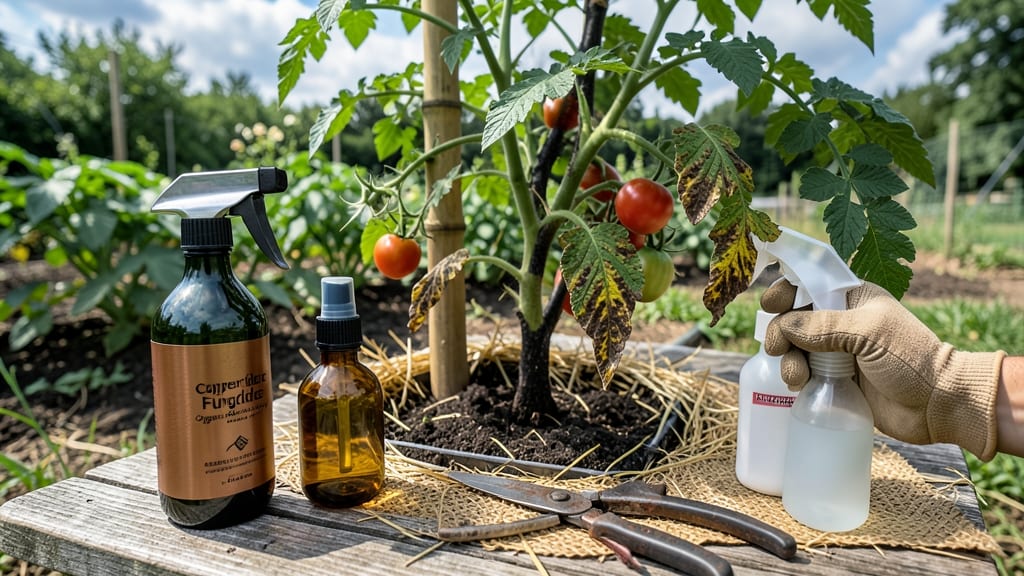
How to fix tomato blight with a simple boiling water cure can save your harvest before the fungus ruins your plants overnight. 🌱 I’ve lost entire harvests to it—until I discovered this method that stops the fungus in its tracks within hours. No more wilting leaves or rotting fruit by the end of the day. The secret isn’t fancy tools—it’s timing and technique. Early blight shows up as brown spots on lower leaves, while late blight spreads faster, turning leaves black and mushy. A quick drench with boiling water (yes, really) kills spores on contact, and copper sprays keep it from coming back. You’ll see results in 24 hours if you act fast. By the end of the week, your plants will bounce back with fresh growth, and you’ll have a foolproof system to protect your tomatoes all season. The best part? This method works for both early and late blight, and it’s 100% organic—no harsh chemicals needed. Works for backyard gardens, containers, or even greenhouse setups. Here’s exactly how to do it without burning your plants (or your hands).
The Hidden Triggers Behind Tomato Blight
Tomato blight—whether the dreaded Phytophthora infestans (late blight) or Alternaria solani (early blight)—isn’t just a random attack on your garden. It thrives because of specific conditions that create the perfect storm for fungal growth. Understanding these triggers is the first step to stopping them before they ruin your harvest.
Let’s break down the real culprits behind tomato blight and why they turn your lush plants into a fungal buffet.
Blight fungi love water—think of them as aquatic invaders. Late blight (Phytophthora) spreads rapidly in damp conditions because it requires free-standing water to germinate and infect leaves, stems, and fruit. Here’s how moisture becomes a problem:
- Overnight Dew & Rain: Blight spores land on leaves and need at least 4–6 hours of leaf wetness to infect.
Morning dew or frequent rain creates the ideal environment. - Poor Air Circulation: Dense foliage traps moisture, while crowded plants (especially in greenhouses) create microclimates where humidity lingers. - Waterlogged Soil: Roots stressed by soggy soil weaken the plant’s defenses, making it easier for blight to take hold.
Why it matters: Blight spores can survive in soil or on plant debris for years, waiting for the right conditions to strike.
Blight fungi aren’t picky—they just need the right temperature and humidity to party. Here’s the danger zone:
| Blight Type | Optimal Temp for Growth | Humidity Threshold |
|---|---|---|
| Late Blight | 60–75°F (15–24°C) | >75% humidity |
| Early Blight | 77–86°F (25–30°C) | >60% humidity |
- Cool, Wet Nights: Late blight thrives in 50–70°F (10–21°C) temperatures with high humidity—common in early summer or fall.
- Warm, Humid Days: Early blight peaks in hot, muggy weather, especially when daytime temps hit the 80s°F (27–32°C).
- Sudden Temperature Shifts: Rapid changes (like a cold front after a heatwave) stress plants, making them more susceptible.
Pro Tip: 🌡️ Use a hygrometer to monitor humidity. If it’s consistently high, it’s time to act—before spores get the upper hand.
A healthy tomato plant can fend off blight, but stress opens the door for infection. Common stressors include:
- Nutrient Deficiencies: Low phosphorus or potassium weakens cell walls, making them easier targets.
Look for yellowing leaves or stunted growth. - Physical Damage: Bruised stems or leaves (from hail, pests, or rough handling) create entry points for spores. - Over-Fertilizing with Nitrogen: Too much nitrogen = soft, sappy growth that’s a blight magnet.
Aim for a balanced 5-10-10 fertilizer (N-P-K). - Root Stress: Compacted soil, root-bound plants, or poor drainage starve roots, reducing the plant’s ability to fight off pathogens.
Why it matters: Blight exploits stress. A robust plant with strong roots and balanced nutrients is far less likely to succumb.
Blight spores are persistent survivors.
They can lurk in: - Old plant debris: Leaves, stems, or fruit left in the soil over winter. - Infected compost: If you compost blighted tomatoes, spores may survive and reinfect new plants. - Contaminated tools: Pruners, stakes, or trellises carrying spores from previous infections.
How it spreads:
- Water splashing from irrigation or rain carries spores to healthy plants.
- Wind or insects (like aphids) transport spores between plants.
Pro Tip: 🔥 Sterilize tools with a 10% bleach solution (1 part bleach to 9 parts water) between uses. And remove all plant debris after harvest—don’t let blight have a winter home!
Ignoring basic garden hygiene is like rolling out the welcome mat for blight.
Key mistakes: - Planting tomatoes in the same spot yearly: Soil-borne spores build up, making reinfection inevitable. - Ignoring resistant varieties: Some heirloom tomatoes (like ‘Brandywine’) are blight-prone, while hybrids (e.g., ‘Mountain Merit’) have genetic resistance. - Overhead watering: Wet leaves = blight highway.
Drip irrigation keeps foliage dry.
Why it matters: Blight is opportunistic. Remove the opportunities, and you remove the threat.
Blight doesn’t happen in a vacuum—it’s the result of perfect conditions for fungal growth. But now that you know the triggers, you can disrupt the cycle before it starts. The next step? Act fast with targeted fixes to break the blight chain.
Fix Tomato Blight Fast
Tomato blight can feel like a nightmare for gardeners, but the good news? With the right approach, you can stop it in its tracks and save your plants.
Below, we’ve mapped out practical, step-by-step solutions for the most common causes—fungal blight (early and late), bacterial spot, and environmental stress—plus prevention tips to keep your tomatoes thriving.
Caused by: Alternaria solani (brown spots on lower leaves, concentric rings)
How to Fix It:
- 🔥 Prune Infected Leaves
- Snip off yellow or brown leaves (especially lower ones) with sterilized scissors (wipe with rubbing alcohol between cuts).
- Do not compost them! Toss in the trash to prevent spread.
- 🌱 Improve Airflow
- Space plants 18–24 inches apart and stake tomatoes to avoid overcrowding.
- Remove weeds and debris around the base.
- 💡 Boiling Water Cure (Fast Fix)
- Heat 1 gallon of water to boiling, let it cool for 1 minute, then pour over soil (not leaves) around the plant.
- Repeat every 7–10 days until new growth appears.
Prevent It: ✔ Rotate crops—don’t plant tomatoes or potatoes in the same spot yearly. ✔ Use mulch (straw or grass clippings) to keep soil moist but reduce splashing.
Caused by: Phytophthora infestans (rapid leaf death, dark greasy spots, stems rot)
How to Fix It:
- 🚨 Isolate the Plant
- Remove entire infected plants (including roots) and sterilize tools with bleach (1:10 water ratio).
- Do not compost—bag and discard.
- 🍳 Copper Fungicide Spray (Best Defense)
- Mix 1 tbsp copper sulfate + 1 gallon water + a drop of dish soap (as a sticker).
- Spray every 5–7 days (morning or evening) until no new spots appear.
- ⏰ Adjust Watering
- Water at the base only (avoid overhead sprinklers).
- Water early in the day so leaves dry quickly.
Prevent It: ✔ Plant blight-resistant varieties (e.g., ‘Mountain Merit,’ ‘Defiant PhR’). ✔ Space plants widely (36+ inches apart) and prune for airflow.
Caused by: Xanthomonas perforans (tiny water-soaked spots, ooze, leaf scorch)
How to Fix It:
- 👨🍳 Remove & Destroy Infected Parts
- Cut off spotted leaves and sterilize pruners between cuts.
- No composting! Bag and trash immediately.
- 🔪 Copper or Bacterial Spray
- Use copper fungicide (as above) or a bacterial spray (e.g., Serenade ASO).
- Spray every 7–10 days in dry weather.
- 🌡️ Adjust Care
- Avoid overhead watering—use drip irrigation.
- Harvest early if blight spreads—ripe tomatoes are less susceptible.
Prevent It: ✔ Sterilize tools between plants (bleach wipe). ✔ Rotate crops—don’t plant tomatoes in the same bed for 3+ years.
Caused by: Poor airflow, overwatering, or nutrient deficiencies
How to Fix It:
- 💡 Balance Water & Sun
- Water deeply 1–2x/week (let top inch of soil dry).
- Ensure 6+ hours of sunlight daily.
- 🥗 Feed with Organic Boost
- Mix compost or fish emulsion into soil for nutrients.
- Avoid high-nitrogen fertilizer (promotes leafy growth, not fruit).
- 🌱 Strengthen Roots
- Mulch heavily (2–3 inches) to retain moisture and regulate soil temp.
- Side-dress with compost halfway through the season.
Prevent It: ✔ Test soil pH (aim for 6.0–6.8). ✔ Plant at the right time (after last frost, when soil is warm).
💡 Early detection is key—check leaves weekly for spots. 🔥 Prevent splashing—use drip irrigation or soaker hoses. ✨ Rotate varieties—plant different tomato types each year to confuse fungi. 🌡️ Harvest promptly—ripe tomatoes are less vulnerable to blight.
Remember: Blight is manageable! Act fast, stay consistent, and your tomatoes will bounce back—juicier than ever. 🍅💪
Frequently asked questions
Can I use baking soda to treat tomato blight?
Yes! A homemade baking soda spray can help prevent early blight. Mix 1 tablespoon baking soda + 1/4 teaspoon dish soap + 1 gallon water, then spray leaves every 7–10 days. This raises the leaf pH, making it harder for spores to infect. For severe cases, combine with copper spray for better results.
How do I know if my tomato plant has early blight vs. late blight?
Early blight shows brown concentric rings on lower leaves, while late blight creates dark, greasy spots that spread rapidly to stems and fruit. Check stems too—late blight causes black, sunken lesions, while early blight rarely affects stems. Early blight progresses slower and stays on leaves.
Is it safe to eat tomatoes from a blight-infected plant?
Only if the fruit shows no visible rot or lesions. Harvest tomatoes as soon as they ripen from infected plants, but avoid eating any with dark spots or soft areas. Late blight can make tomatoes toxic if they develop black mold—when in doubt, discard suspicious fruit to stay safe.
Why does my tomato plant keep getting blight even after treatment?
Persistent blight usually means spores are still present in your soil or tools. Sterilize everything with bleach solution (1:10 ratio), remove all plant debris, and rotate crops for 3 years. Also check for hidden infections—blight often hides on lower leaves or stems before spreading.
Can I save my tomato plant if blight has already spread to the fruit?
For late blight, it's often too late to save the plant—remove it completely to prevent spread. For early blight, you may salvage the plant by pruning all infected leaves, applying copper spray, and improving airflow. Harvest any unaffected fruit immediately and compost only healthy plant matter.