
How To
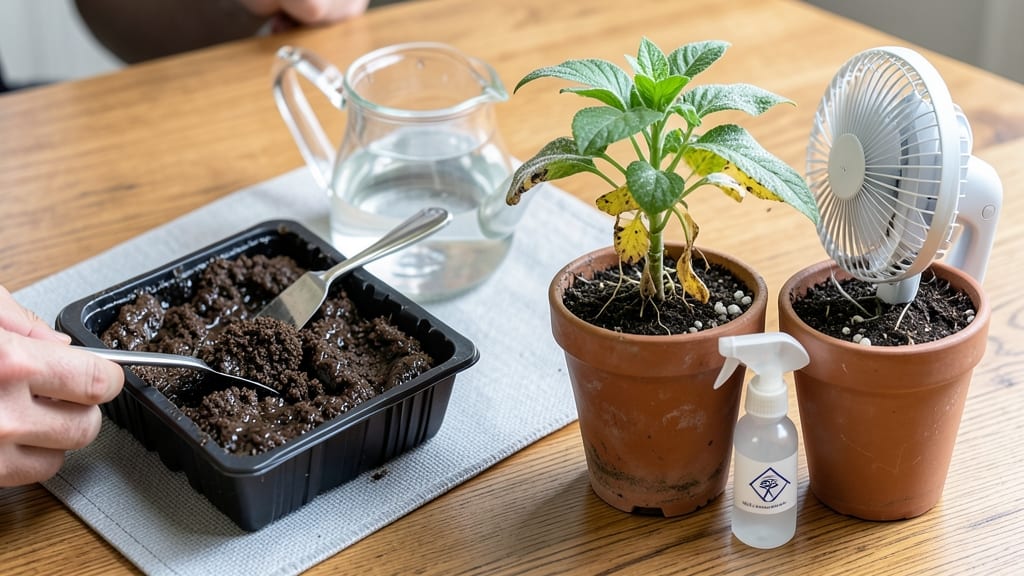
How to fix an overwatered seedling—your drooping leaves and yellowing stems are a cry for help, not a death sentence. 🌱 I’ve nursed back more overwatered seedlings than I’d like to admit, and the key is acting fast before root rot sets in. The good news? Most seedlings can bounce back with the right care, even if they look like they’ve been sitting in a swamp.
First, check the soil: if it smells sour or feels soggy, you’ve got a moisture crisis. Gently remove the seedling from its pot and examine the roots—healthy roots are firm and white, while mushy, dark roots mean rot has already set in.
For mild cases, trim any damaged roots with clean scissors, then repot in fresh, well-draining soil. If the roots are completely mushy, it’s time for a root soak in water to flush out excess moisture before replanting.
Once you’ve revived the roots, adjust your watering habits. Let the top inch of soil dry out between waterings, and use a pot with drainage holes to prevent future soggy soil.
A humidity dome or plastic bag over the pot can help recovery by trapping moisture where the plant needs it most. Within a week, you’ll see new growth pushing through, and your seedling will be back on track to becoming a thriving plant.
To keep this from happening again, invest in a moisture meter or your finger as a simple test before watering. Overwatering is the #1 killer of seedlings, but with these steps, you’ll turn a potential loss into a success story. Your green thumb is about to get a second chance!
Root Causes of Overwatered Seedlings
When your seedlings start wilting despite a damp soil surface or even drop leaves, the issue often lies beneath the soil—not enough oxygen for their roots. Understanding why this happens is the first step to saving them. Let’s break down the science behind the soggy soil struggle.
If your seedlings are planted in containers without drainage holes or soil that retains water like a sponge, excess moisture lingers. Why does this matter? Roots need both water and oxygen to respire—just like you need air to breathe.
When soil stays waterlogged, oxygen is displaced by water, suffocating roots and blocking nutrient uptake.
🔍 Key culprits:
- Compacted soil: Clay-heavy or tightly packed mixes block water flow, creating anaerobic (oxygen-free) zones.
- No drainage holes: Pots act like bathtubs, trapping water at the bottom where roots can’t escape.
- Overzealous watering: Giving seedlings a drink every day (or worse, multiple times) drowns them before roots can adapt.
💡 Pro tip: Test your soil’s drainage by filling a cup with water and soil. If it drains in under 10 minutes, it’s good. If it pools for hours, amend with perlite or sand.
Mother Nature isn’t always on your side. High humidity, heavy rainfall, or even dew can trick you into thinking your seedlings are thirsty when they’re already drowning. Why? Because:
- Humid air slows evaporation: Moisture lingers longer in soil, especially in greenhouses or shaded areas.
- Rainfall overloads pots: A single downpour can add more water than seedlings can absorb in 24 hours.
- Cold temps stunt root growth: Chilly soil (below 60°F/15°C) forces roots to slow down, making them even more vulnerable to rot.
🌡️ Watch for: Yellowing leaves, mushy stems, or seedlings that feel heavy (a sign of waterlogged roots). If your area gets frequent rain, use self-watering pots with reservoirs or elevate containers to prevent pooling.
Not all soil is created equal. Using garden soil, peat-heavy mixes, or unamended potting soil can lead to overwatering disasters. Here’s how:
| Problem Soil Type | Why It Fails | Fix It With |
|---|---|---|
| Garden soil | Too dense; compacts easily, blocking airflow. | 50% garden soil + 50% perlite/vermiculite. |
| Pure peat moss | Holds water like a sponge but never dries out. | Mix with coconut coir or compost for balance. |
| Cheap potting soil | Lacks organic matter; repels water instead of absorbing it. | Add worm castings or compost for structure. |
🌱 Ideal seedling soil: Lightweight, fluffy, and 30-50% organic matter (like coconut coir or compost). Think of it as a root spa—not a swamp.
Even with perfect soil, human error is the #1 cause of overwatered seedlings. Here’s how well-meaning gardeners accidentally drown their plants:
- Checking soil with fingers: The top inch might feel dry, but roots are still underwater below.
- Watering on a schedule: Seedlings drink differently based on light, temp, and humidity—not your calendar.
- Using ice cubes: While trendy, they can create localized waterlogging around roots.
- Bottom-watering without drainage: Letting pots sit in saucers fills them up like a bathtub.
✨ Smart watering hack: Use the "squeeze test"—gently press soil. If it squeezes out water, it’s soggy. If it holds shape but feels light, it’s ready for a drink.
Now that you know the science behind the sog, the next step is reviving your seedlings—without losing them to root rot. Stay tuned!
Fixing Overwatered Seedlings Step-by-Step
Now that you know the signs and causes of overwatered seedlings, let’s roll up your sleeves and bring those little green survivors back to life! The key is acting fast—before root rot sets in or the stems turn mushy.
Here’s how to diagnose and treat each issue, plus tips to keep your seedlings thriving long-term.
Before diving in, check how bad the overwatering is:
- Lightly damp soil? Your seedlings may just need a breather.
- Soggy, foul-smelling soil? Root rot could be setting in—act fast.
- Yellowing leaves or wilting stems? The plant is struggling to recover.
Pro Tip: 💡 Gently squeeze a handful of soil. If it crumbles easily, it’s too dry. If it stays clumped and smells like a swamp, it’s overwatered.
The first rule of fixing overwatered seedlings? Cut off the water!
- Remove the seedlings from their trays or pots and set them in a dry, shaded spot.
- If they’re still in the same container, avoid adding more water until you’ve addressed the root issue.
Warning: ⚠️ Overwatering is like a slow-motion death sentence—don’t make it worse by keeping them soggy.
Healthy roots should be white or pale yellow and firm to the touch. If you see: - Black, mushy roots → Root rot is present. Trim these immediately with clean scissors. - Gray or slimy roots → Fungal infection.
Time to disinfect! - Healthy roots? Phew! Just focus on drying them out.
Pro Tip: 🌡️ If you’re unsure, rinse the roots gently under lukewarm water to remove excess soil and inspect them closely.
Now it’s time to give those roots a fighting chance:
For Mild Overwatering (No Root Rot)
- Repot in fresh, dry soil – Use a well-draining mix (like a 50/50 blend of potting soil and perlite or vermiculite).
- Plant at the same depth – Burying too deep can suffocate the stem.
- Let the soil dry out completely between waterings. Stick your finger in—if the top inch feels dry, it’s time to water lightly.
For Severe Overwatering (Root Rot Present)
- Trim the damaged roots – Use sterilized scissors to cut away any black, mushy, or slimy sections.
- Disinfect the roots (optional but helpful) – Soak them in a 1:10 hydrogen peroxide solution (3% peroxide) for 10 minutes to kill fungi.
Rinse well afterward. 3. Repot in fresh, sterile soil – Avoid compost-heavy mixes; opt for a light, airy blend. 4. Hold off on watering for 3–5 days – Let the roots recover before reintroducing moisture.
Pro Tip: ✨ If repotting isn’t an option, you can try the "paper towel method" for small seedlings:
- Wrap the roots in a dry paper towel and place them in a shaded, well-ventilated spot for 24–48 hours to dry out.
Prevention is the best cure! Here’s how to keep your seedlings happy and hydrated without drowning them:
| Problem | Solution |
|---|---|
| Overly dense soil | Mix in perlite, sand, or coconut coir to improve drainage. |
| Poor drainage | Use pots with drainage holes and trays to catch excess water. |
| No humidity control | Mist seedlings lightly in the morning (avoid evening misting to prevent rot). |
| Inconsistent watering | Water only when the top inch of soil is dry. Use a moisture meter if unsure. |
| Overcrowded trays | Thin seedlings or move them to individual pots for better airflow. |
Pro Tip: 🎯 Bottom watering (placing trays in a shallow dish of water) gives seedlings a steady drink without soggy soil. Let them soak up moisture for 10–15 minutes, then drain excess.
- Place seedlings in bright, indirect light – Avoid harsh sunlight while they recover.
- Check soil moisture daily – Overwatered seedlings are delicate; don’t rush back into a routine.
- Fertilize lightly (if at all) – Wait 2–3 weeks before adding nutrients. Overwatered plants can’t handle fertilizer yet!
Signs of Improvement: ✅ Firm stems ✅ Bright green leaves (not yellow) ✅ Soil that smells fresh (not sour or rotten)
Final Thought: Overwatered seedlings can bounce back with the right care—just like a plant parent learning patience! Follow these steps, and your little greens will be thriving in no time. 🌱💚
Frequently asked questions
How do I know if my seedling has root rot?
Check for black, mushy roots that smell foul—these are clear signs of root rot. Healthy roots should be firm and white or pale yellow. If you see gray or slimy roots, fungal infection may have set in. Trim the damaged parts with clean scissors and disinfect with a 1:10 hydrogen peroxide solution before repotting.
Can I save a seedling with completely mushy stems?
Unfortunately, if the stem is soft and collapsing, the seedling is likely beyond saving. However, if only the roots are affected, trim the damaged roots, repot in fresh soil, and give it time to recover. For stems, focus on prevention—keep soil light and airy to avoid future issues.
How long should I wait before watering again after fixing overwatering?
Hold off on watering for 3-5 days to let the soil dry out completely. After that, only water when the top inch of soil feels dry. Use your finger as a guide—if it’s damp, wait another day. Overwatering is easier to prevent than to fix!
What’s the best soil mix to prevent overwatering?
Use a blend of 50% potting soil and 50% perlite or vermiculite for optimal drainage. Avoid heavy garden soil or pure peat moss, which retain too much moisture. For extra airflow, add a handful of coconut coir or orchid bark.
Will my seedling recover if I just stop watering it?
Stopping watering alone won’t fix the issue—roots still need oxygen to heal. After removing excess moisture, repot in fresh, dry soil and place the seedling in bright, indirect light. Avoid watering until you see signs of recovery, like firm stems and green leaves. Patience is key!