
Companion Plants
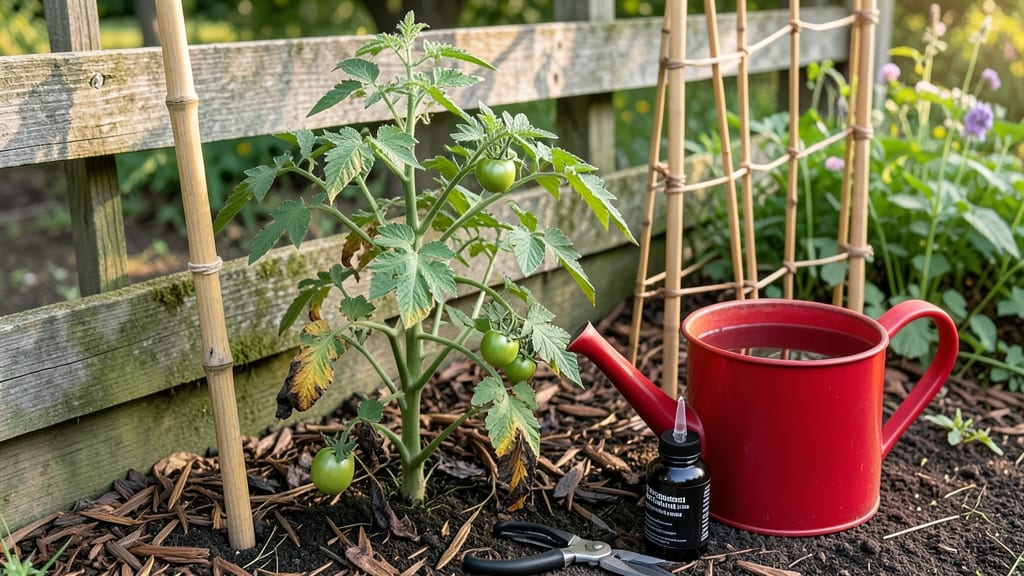
Your tomato plants might still have how to bring a tomato plant back to life—root rot or pests don’t always mean game over. 🌱 I’ve nursed back more tomato plants than I’d like to admit, and the boiling water barrier trick saved my struggling vines last summer when everything else failed.
It’s not magic—it’s science, and it works when you catch the problem early.
The first step is diagnosis: check for mushy stems, yellowing leaves, or wilting despite water. Overwatering, underwatering, or soil-borne diseases are the usual culprits, and the boiling water barrier helps reset the soil’s balance.
You’ll need a kettle, a shovel, and about 10 minutes—no fancy tools, just determination. The key is acting fast before the roots give up completely.
By the time you’re done, you’ll see new green leaves within 7-10 days if the roots are still alive. The plants won’t just survive—they’ll bounce back stronger, with deeper roots and better resistance to future stress.
The barrier disrupts pests and fungi without harming the plant, so you’re not just treating symptoms, you’re fixing the problem at its source.
This works for container-grown tomatoes, raised beds, or in-ground plants—just adjust the water volume. The method’s simple, but the results are shocking. Let’s get those plants back in action before it’s too late.
Root Causes Of Tomato Plant Decline
Tomato plants may look like they’re thriving one day and suddenly wilt the next—but often, their struggles stem from specific, fixable issues. Understanding the why behind their decline is the first step to reviving them.
Below, we break down the most common culprits, from soil woes to environmental stress, with clear explanations of how they sabotage your plants.
Tomato roots need oxygen to breathe, but soggy soil suffocates them.
When water pools around roots, it displaces air, leading to: - Root rot (caused by Phytophthora or Pythium fungi), which turns roots mushy and black. - Nutrient leaching, washing away essential minerals like nitrogen and potassium. - Weakened structure, making stems unable to support the plant.
Why it happens:
- Containers without drainage holes.
- Heavy clay soil that holds water like a sponge.
- Overzealous watering (e.g., daily checks instead of "finger tests").
While too much water drowns roots, too little causes them to shrivel and die back. Signs include:
- Wilting (even at night when plants should recover).
- Leaf curling or yellowing from dehydration stress.
- Stunted growth as the plant conserves energy.
Why it happens:
- Infrequent watering (especially in sandy or fast-draining soils).
- Shallow root systems (common in young plants or those in small pots).
- Heatwaves or drought conditions without compensation.
Hidden beneath the soil, pests and pathogens can decimate roots before you notice.
Watch for: - Root-knot nematodes (microscopic worms that form gall-like lumps on roots). - Fungal infections (e.g., Fusarium wilt), which clog root vessels and block water/nutrient flow. - Cutworms or grubs chewing through roots at night.
Why it happens:
- Poor sanitation (reusing infested soil or tools).
- Overcrowded plants (reducing airflow and spreading disease).
- Weakened plants (stressed by other issues, like nutrient deficiencies).
Tomatoes are heavy feeders, and a lack of key nutrients leads to:
- Yellow leaves (nitrogen deficiency).
- Purple stems (phosphorus shortage).
- Weak, brittle stems (potassium or calcium deficiency).
Why it happens:
- Imbalanced fertilizers (e.g., too much nitrogen, too little potassium).
- Depleted soil (no compost or organic matter added seasonally).
- pH imbalances (tomatoes prefer 6.0–6.8; acidic or alkaline soil locks out nutrients).
Extreme conditions—whether too hot, too cold, or too windy—can shock tomato plants into decline. Examples:
- Heat stress (above 90°F/32°C) causes sunscald on fruit and wilting.
- Frost damage (below 50°F/10°C) kills roots and stems overnight.
- Windburn (drying out leaves faster than roots can replace moisture).
Why it happens:
- Poor mulching (soil temperature swings stress roots).
- Lack of shade in hot climates (leads to water loss).
- Sudden temperature drops (e.g., moving potted tomatoes indoors too late).
Even well-cared-for tomato plants can crash after moving, especially if:
- Roots are disturbed during transplanting (cutting fine root hairs).
- They’re planted too deep (buried stems can’t photosynthesize).
- Soil conditions differ drastically (e.g., moving from rich compost to poor garden soil).
Why it happens:
- Rough handling (e.g., pulling instead of digging up seedlings).
- Improper hardening off (not acclimating to outdoor conditions).
- Wrong planting depth (stem buried past the first true leaves).
Tomatoes need space to breathe—crowding leads to:
- Resource competition (water, nutrients, sunlight).
- Increased humidity (trapped moisture encourages fungal diseases).
- Weak stems (leaning for light instead of growing strong).
Why it happens:
- Planting too close (recommended spacing: 18–24 inches apart).
- Ignoring companion plants (e.g., planting basil too close, which can attract pests).
- Letting weeds choke out tomatoes (stealing moisture and nutrients).
Most tomato plant declines boil down to one (or more) of these issues: water mismanagement, hidden pests, nutrient gaps, or environmental stress. The good news? Each has a fix—and the next section will show you exactly how to diagnose and revive your plants. 🚀
Revive Your Tomatoes Step By Step
When your tomato plants look like they’ve hit rock bottom, don’t panic—there’s still hope! The key is identifying the root cause (literally!) and taking targeted action. Below, we’ve mapped out practical, step-by-step solutions for the most common issues, along with prevention tips to keep your plants thriving long-term.
Signs: Yellowing leaves, mushy stems, foul smell at the base, or plants that wilt despite moist soil.
How to Fix It:
- Stop Watering Immediately 🚰
- Let the soil dry out completely before watering again. Overwatering suffocates roots, leading to rot.
- Improve Drainage 🏗️
- If your pots or garden bed retain too much water, add a 1–2 inch layer of gravel or perlite to the bottom for better airflow.
- For container plants, drill drainage holes if they’re missing.
- Trim the Damage ⚔️
- Use sterilized scissors to cut away any black, mushy roots or leaves. Healthy tissue should be firm and white or light brown.
- Repot (If Needed) 🌱
- If root rot is severe, transfer the plant to fresh, sterile potting mix (avoid garden soil, which may harbor pathogens).
- Boost Recovery with Fungicide 💊
- Spray the roots and soil with a copper-based fungicide or hydrogen peroxide (1 part 3% H₂O₂ to 10 parts water) to fight fungal infections.
💡 Prevention Tips:
- Water deeply but infrequently—only when the top 1–2 inches of soil are dry.
- Use well-draining soil mixes (avoid heavy clay).
- Elevate pots on feet or saucers to prevent water pooling.
Signs: Crispy leaf edges, wilting even when soil is dry, or leaves curling upward.
How to Fix It:
- Water Slowly & Deeply 💧
- Give the plant a slow, thorough soak until water runs out the drainage holes. Repeat every 2–3 days in hot weather.
- Mulch to Retain Moisture 🌿
- Spread 2–3 inches of organic mulch (straw, wood chips) around the base to lock in humidity.
- Shade Cloth to the Rescue ☀️
- If temps exceed 90°F (32°C), drape 30–50% shade cloth over the plants for a few hours daily.
- Folate Boost for Recovery 💪
- Mix 1 tsp of Epsom salt into a gallon of water and water the soil to replenish magnesium (often depleted by stress).
💡 Prevention Tips:
- Morning watering reduces evaporation.
- Drip irrigation delivers consistent moisture.
- Group plants together to create a microclimate with higher humidity.
Signs: Yellowing between leaf veins (iron deficiency), purple stems (phosphorus deficiency), or stunted growth.
How to Fix It:
- Test Your Soil 📊
- Use a home soil test kit to identify deficiencies (pH, nitrogen, potassium, etc.).
- Quick Fix Fertilizer 🌱
- For nitrogen (yellow leaves): Use fish emulsion or blood meal.
- For phosphorus (purple stems): Apply bone meal or rock phosphate.
- For potassium (weak stems): Try wood ash or a balanced 10-10-10 fertilizer.
- Compost Tea for a Gentle Boost 🍲
- Brew compost tea (steep compost in water for 24–48 hours) and water the soil to add beneficial microbes.
💡 Prevention Tips:
- Side-dress with compost every 4–6 weeks.
- Rotate crops to avoid nutrient depletion.
- Avoid over-fertilizing—tomatoes prefer moderate feeding.
Signs: Holes in leaves (caterpillars), sticky residue (aphids), or chewed stems (cutworms).
How to Fix It:
- Handpick & Drop 🕷️
- Remove caterpillars, slugs, or beetles by hand and drop them in soapy water.
- Neem Oil Spray 🌿
- Mix 1 tbsp neem oil + 1 tsp mild soap per gallon of water and spray every 5–7 days to deter pests.
- Beneficial Insects 🐞
- Introduce ladybugs (aphids), praying mantises (caterpillars), or nematodes (grubs) to your garden.
💡 Prevention Tips:
- Row covers keep flying pests out.
- Interplant with basil or marigolds to repel insects.
- Clean up debris where pests hide.
Signs: Brown, greasy spots on leaves (fungal), or rapid wilting.
How to Fix It:
- Remove Infected Parts 🗑️
- Prune all diseased leaves and sterilize tools with rubbing alcohol.
- Copper Fungicide Spray 🛡️
- Spray copper-based fungicide every 7–10 days until new growth appears.
- Improve Airflow 🌬️
- Space plants 18–24 inches apart and prune lower leaves to reduce humidity near the soil.
💡 Prevention Tips:
- Rotate crops—don’t plant tomatoes in the same spot yearly.
- Water at the base (avoid overhead sprinkling).
- Start with disease-resistant varieties (e.g., ‘Mountain Merit’).
Final Pro Tip: 🎯 Patience is key! Even severely stressed plants can bounce back in 2–4 weeks with consistent care. Monitor progress and adjust as needed—your tomatoes will thank you with a bountiful harvest!
Frequently asked questions
How do I know if my tomato plant is beyond saving?
Check for firm, white roots when you gently dig around the base. If you find mostly black, mushy roots with a foul smell, the plant is likely too far gone. However, if you see any healthy roots, even just a few, the boiling water barrier technique can still help reset the soil and give it a fighting chance.
Can I use the boiling water barrier method on container-grown tomatoes?
For containers, pour 1 cup of boiling water per gallon of soil volume around the edges of the pot, creating a 1-inch-wide barrier around the root zone. Be careful not to splash the plant itself—just focus on the soil. Repeat every 3–4 days for 2 weeks to disrupt pests and fungi.
What if my tomato plant is wilting but the soil feels dry?
This is often a sign of underwatering or root damage. Water deeply until it runs out the drainage holes, then add 2–3 inches of organic mulch to retain moisture. If the wilting persists, check for root-knot nematodes (tiny lumps on roots) or disease—you may need to repot in fresh, sterile soil.
How soon can I expect to see improvement after using the boiling water barrier?
With the boiling water method, you should notice new green leaves within 7–10 days if the roots are still alive. For severe cases, it may take 2–3 weeks to see full recovery. Consistency is key—stick with the treatment for at least 2 weeks and avoid overwatering during this time.
Will this method work for other vegetables, like peppers or eggplants?
The boiling water barrier is most effective for root-bound issues like fungal infections or pests. While it can help peppers or eggplants, these plants are often more sensitive to heat. Test a small area first and monitor closely. For peppers, reduce the water temperature slightly (180°F/82°C) to avoid scorching the roots.